
Revolutionizing Digital Identity: How “Gear.club” Harnesses a New Top-Level Domain for Unprecedented App Branding
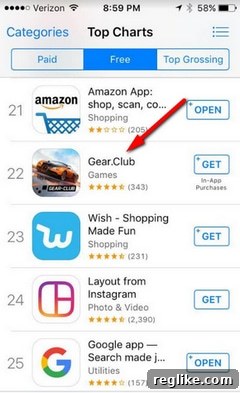
In today’s hyper-competitive digital landscape, where millions of applications vie for user attention, innovative branding strategies are more crucial than ever. A recent discovery in the iTunes app store charts unveiled a fascinating case study in modern digital identity: an application boldly named Gear.club. This isn’t merely a quirky brand choice; it represents a pioneering step in leveraging new Top-Level Domains (TLDs) to forge a distinct and memorable online presence.
The Genesis of a Unique Brand: Gear.club’s Strategic Identity
The first encounter with “Gear.club” immediately sparks curiosity. Is it an unconventional naming convention, or does this digital entity truly own the corresponding domain name, gear.club? The answer lies in the latter, confirming a deliberate and insightful branding decision by the app’s creators. This move signifies a deeper understanding of digital real estate and its potent impact on brand recognition and user engagement.
The app maker demonstrated a clear vision by acquiring the gear.club domain as a registry premium for a notable $5,691.66 in February. This investment underscores the perceived value and strategic importance of aligning an application’s brand directly with a relevant and impactful TLD. By doing so, they’ve not just named an app; they’ve established a complete, integrated brand ecosystem around a potent keyword and a niche-specific TLD.
Decoding the .club TLD: A Modern Approach to Community and Branding
The choice of the .club Top-Level Domain is particularly insightful for an application like Gear.club. In an era where digital communities and shared interests drive online interaction, the .club TLD inherently conveys a sense of belonging, exclusivity, and shared passion. For a car racing game, this resonates perfectly with the concept of a “club” of enthusiasts who share a love for high-performance vehicles, speed, and competitive gaming.
The Rise of New gTLDs and Their Branding Potential
The introduction of new generic Top-Level Domains (gTLDs) over the past decade has revolutionized how businesses and individuals can establish their online identities. Beyond the traditional .com, .net, or .org, new TLDs like .club, .tech, .shop, .online, and hundreds more offer unparalleled opportunities for creativity, relevance, and brand differentiation. They allow for more descriptive and memorable domain names, often aligning more closely with a brand’s core offering or target audience.
For app developers and digital ventures, new gTLDs present a unique advantage. They can secure short, brandable, and keyword-rich domain names that might be unavailable under older TLDs. This not only enhances memorability but also improves search engine visibility and direct navigation, funneling users directly to the brand’s online hub.
Why Gear.club’s Investment in a Premium Domain Matters
The acquisition cost of $5,691.66 for gear.club highlights the market’s recognition of premium domain names. A premium domain is typically a short, highly memorable, keyword-rich, or brandable domain that offers significant marketing advantages. For Gear.club, this investment is not just for a URL; it’s for a foundational asset that:
- Enhances Brand Recall: “Gear.club” is catchy and directly reflects the app’s theme.
- Boosts Credibility: Owning the exact-match domain lends an air of legitimacy and professionalism.
- Facilitates Marketing: It provides a clear, concise call to action for all marketing materials, from social media to advertisements.
- Improves SEO: While direct keyword matching in a domain name might have less impact than it once did, a relevant and memorable domain contributes to overall brand authority and discoverability.
The App Experience: What Makes Gear.club a Contender?
Beyond its innovative branding, Gear.club appears to be a robust contender in the mobile gaming arena. Described as a “pretty spiffy car racing game,” its initial traction in the competitive iTunes app store speaks volumes about its quality and appeal. Yesterday, it proudly held the #10 spot on the iPad free list and an impressive #22 on the iPhone free list, as evidenced by the accompanying image. These rankings indicate strong user adoption and positive reception, crucial indicators for any new app’s success.
A successful racing game requires more than just high-speed thrills; it demands captivating graphics, intuitive controls, a diverse selection of vehicles, and engaging gameplay modes. Given its high rankings, Gear.club likely delivers on these fronts, offering an immersive experience for car enthusiasts and casual gamers alike. The synergy between a compelling game and a memorable brand name creates a powerful combination for market penetration.
Navigating Branding Nuances: “gear.club” vs. “Gear.Club”
While the overall strategy is exemplary, a minor but interesting branding nuance emerges: the app’s logo visually represents “gear.club” with a dot midway vertically between ‘R’ and ‘C’, yet the branding on its site opts for “Gear.Club”. This subtle inconsistency, while potentially minor, highlights the challenges of maintaining absolute uniformity across all brand touchpoints in the digital age. Whether it’s a stylistic choice for visual flair or an oversight, it’s a detail worth noting in the broader context of brand identity management. Consistent capitalization and punctuation are often recommended for strong brand identity, but sometimes creative liberties are taken to enhance visual appeal or distinguish between a domain name and a brand name.
A Trendsetting Precedent: New TLDs as App Names
What makes Gear.club’s branding truly groundbreaking is its pioneering application of a new TLD. This marks a significant milestone: it is the first observed instance of a new Top-Level Domain name being adopted as the primary name of an app within the iTunes app store. In fact, it’s a rare sight to see a domain name utilized in such a direct and integrated manner for app branding.
This approach could signal a burgeoning trend, encouraging other app developers and businesses to explore the vast potential of new gTLDs. Instead of struggling to find available names under saturated TLDs, they can embrace more descriptive and brandable options that directly communicate their product or service. The benefits extend beyond mere naming:
- Enhanced Discoverability: A unique TLD-based name can stand out in crowded app stores.
- Direct Brand Association: The app name immediately connects to its web presence.
- Future-Proofing: Embracing new TLDs positions a brand at the forefront of digital innovation.
The Future of Digital Branding: Integrating Domain and App Ecosystems
Gear.club’s strategy represents a forward-thinking approach to digital branding, demonstrating a powerful integration of domain name strategy with mobile application presence. In an ecosystem where users often discover brands through app stores, social media, or search engines, having a cohesive and memorable identity across all platforms is paramount.
This case study prompts a re-evaluation of how businesses should think about their online presence. It’s no longer just about having a website OR an app; it’s about creating a seamless experience where the domain name, app name, and overall brand messaging work in concert. Gear.club exemplifies how a well-chosen new TLD can become the cornerstone of an entire digital brand, driving both awareness and engagement. As the digital landscape continues to evolve, we can expect to see more innovative uses of TLDs, transforming how brands are perceived and interacted with online.
In conclusion, Gear.club is more than just a popular racing game; it’s a testament to the untapped potential of new gTLDs in modern branding. By investing in a premium .club domain and aligning its app name directly with it, the developers have crafted a unique, memorable, and strategically sound digital identity that sets a new precedent for app branding in the competitive global market.