
The Critical Importance of Domain Ownership: Lessons from Flair Airlines’ Hostage Ordeal
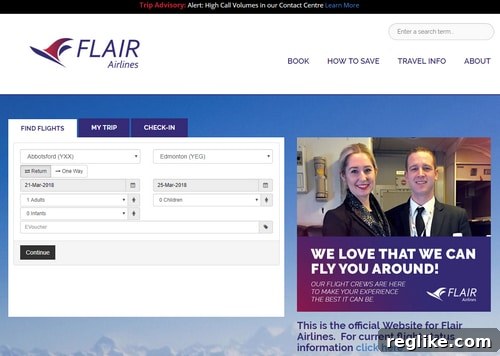
In the digital age, a company’s domain name is far more than just a web address; it’s the cornerstone of its online identity, a critical asset for brand recognition, customer engagement, and commercial operations. Yet, numerous businesses, both large and small, continue to grapple with the severe repercussions of failing to secure direct control over this vital asset. The recent case involving Flair Airlines, a Canadian carrier, serves as a stark, cautionary tale, illustrating the profound risks associated with entrusting domain registration to third-party contractors without proper oversight and legal safeguards.
Flair Airlines alleges that former contractors are holding its primary domain names hostage, an unsettling scenario that has caused significant disruption and substantial financial losses for the company. This incident is a powerful reminder that robust domain management protocols are not merely a technicality but an indispensable component of sound business strategy. Allowing a third party, such as a web developer or IT contractor, to register and maintain a company’s domain names in their own name or account creates a vulnerable point that can lead to catastrophic consequences when business relationships sour.
Flair Airlines’ Ordeal: A Detailed Look at the Domain Dispute
According to a lawsuit filed in Illinois, Flair Airlines Ltd. claims that former contractors, who were responsible for customer service and website services, were instructed to register the crucial domain names FlairAirlines.com and FlairAirlines.ca directly in the airline’s name. This standard practice ensures that the legal entity (the airline) retains full ownership and control over its digital assets. However, as the relationship with these contractors deteriorated and eventually terminated, Flair Airlines discovered a deeply troubling reality: they did not have control over their essential domain names.
The airline found itself in an unenviable position, unable to access, manage, or transfer these domains through the registrar, GoDaddy, because it was not listed as the official registrant. This lack of direct control meant that Flair Airlines was effectively locked out of its own digital storefronts, leaving its online presence in limbo and its brand identity compromised. The inability to make critical updates, direct traffic, or even renew these domains posed an existential threat to their online operations.
The immediate impact was devastating. In its legal complaint, Flair Airlines highlighted the tangible financial hit it suffered. Forced to swiftly pivot and switch its primary website address to FlairAir.ca, the airline experienced a drastic drop in sales. On the very day of the domain switch, the company reported a plummet from a daily revenue of $64,000 to a mere $29,000. This single incident underscores how intrinsically linked a company’s domain name is to its commercial viability and daily operations.
Beyond the immediate revenue loss, Flair Airlines also incurred significant additional expenses. To mitigate the damage and redirect confused customers to its new “correct” website, the airline was compelled to invest heavily in Google AdWords campaigns. This unexpected marketing expenditure further exacerbated the financial strain, all stemming from a failure to maintain direct ownership and control over its foundational digital assets.
Why Direct Domain Ownership is Non-Negotiable for Businesses
The Flair Airlines case is not an isolated incident; it resonates with a multitude of similar disputes where businesses have lost control of their digital identities to former employees, web designers, or IT service providers. Regardless of the specifics of a terminated business relationship, the underlying message remains constant and critically important: a company absolutely must be the registered owner of its domain names. Furthermore, it should possess the master registrar controls, including login credentials and administrative access, to prevent such hostage situations.
Protecting Your Brand and Online Identity
Your domain name is synonymous with your brand. It’s how customers find you, interact with you, and recognize your business online. Losing control means losing your identity in the digital realm. This can lead to severe brand dilution, customer confusion, and irreparable damage to your reputation. A consistent and controlled online presence is vital for building trust and maintaining credibility.
Preventing Financial Losses and Operational Disruptions
As demonstrated by Flair Airlines, the financial ramifications of losing domain control can be immediate and substantial. Lost sales, increased marketing costs to re-establish presence, legal fees for dispute resolution, and potential downtime all contribute to significant monetary losses. Operational disruptions can range from interrupted email services to inaccessible websites, severely impacting customer service and internal communications.
Safeguarding SEO Rankings and Digital Equity
Domain names accumulate significant search engine optimization (SEO) equity over time. A well-established domain with a strong history of content and backlinks ranks higher in search results. Being forced to switch to a new domain means starting almost from scratch, losing valuable SEO rankings, traffic, and authority that took years to build. This can severely set back a company’s online visibility and competitive standing.
Legal and Administrative Control
Direct ownership ensures that the company, as the legal entity, has undisputed legal rights to the domain. This simplifies administrative tasks such as renewals, transfers, DNS management, and SSL certificate implementation. Without direct control, these essential functions can become roadblocks, leaving the business at the mercy of a third party.
Best Practices for Secure Domain Management and Prevention
To avoid becoming another cautionary tale like Flair Airlines, businesses must implement rigorous best practices for domain name registration and management. Proactive prevention is always less costly and less damaging than reactive recovery.
- Always Be the Registrant: This is the golden rule. Ensure that your company’s legal name and contact information are explicitly listed as the registrant (owner) for all your domain names. Never allow an employee, contractor, or third-party agency to register domains in their personal name or their company’s name.
- Maintain Master Registrar Control: The company should hold the primary account access and login credentials for the domain registrar (e.g., GoDaddy, Namecheap, Google Domains). While you can grant delegated access to trusted individuals or agencies for specific tasks, the ultimate administrative control must reside with the business.
- Implement Strong Security Measures: Use strong, unique passwords for your registrar account. Enable two-factor authentication (2FA) for an added layer of security. Regularly review and update account security settings.
- Document Everything: Keep meticulous records of all domain registration details, including registration dates, expiry dates, registrar information, account logins, and contact persons. Maintain a clear internal policy on domain management.
- Include Domain Ownership Clauses in Contracts: Any contract with web developers, IT service providers, or marketing agencies should explicitly state that all domain names registered or managed on behalf of the company remain the sole property of the company. It should also include provisions for immediate transfer of control upon contract termination.
- Regularly Audit Domain Information: Periodically review your domain registration records (WHOIS data, if publicly available and not protected by privacy services) to ensure that all information is accurate, up-to-date, and reflects the company as the rightful owner.
- Set Up Auto-Renewal: To prevent accidental expiration, configure your domain names for automatic renewal. Ensure the payment method linked to these renewals is current and monitored.
- Appoint Internal Responsible Parties: Designate specific, trusted employees within the company who are responsible for domain oversight, security, and renewal.
The Broader Impact: More Than Just a Website Address
The implications of a domain name hostage situation extend far beyond the immediate inconvenience of changing a website address. It erodes customer trust, damages brand equity, and can lead to a prolonged period of instability for any business. Companies invest significant resources in building their online presence, from marketing campaigns to SEO strategies, all of which are anchored to their domain name. To have this foundation suddenly undermined by a third-party dispute is to lose years of accumulated digital capital.
Furthermore, navigating legal recourse, as Flair Airlines is doing, can be an arduous and expensive process. Lawsuits are time-consuming, resource-intensive, and their outcomes are not always guaranteed. While organizations like ICANN (Internet Corporation for Assigned Names and Numbers) and dispute resolution policies like UDRP (Uniform Domain-Name Dispute-Resolution Policy) exist, they require evidence and can still involve significant legal fees and time. The most effective strategy remains prevention through diligent ownership and robust contractual agreements.
Conclusion: A Call to Action for Every Business
The challenging experience of Flair Airlines serves as a stark, compelling lesson for every business operating in the digital landscape. Your domain name is a foundational asset, arguably as critical as your physical property or intellectual property. Entrusting its ownership or primary control to a third party without stringent safeguards is an unnecessary and perilous risk.
Businesses must adopt a proactive stance, ensuring that they are unequivocally listed as the registrant of all their domain names and hold all master administrative controls. Implementing comprehensive domain management policies, securing contractual agreements, and regularly auditing registration details are not merely best practices; they are essential pillars for protecting your brand, maintaining your online presence, and safeguarding your long-term commercial viability. Don’t wait for a crisis to realize the true value and vulnerability of your domain names – secure them today.
This cautionary tale should prompt every CEO, business owner, and IT manager to immediately review their domain registration practices and confirm that their digital assets are securely under their direct and undisputed control. The cost of a few minutes of due diligence pales in comparison to the potentially devastating financial and reputational losses that can arise from a domain name hostage situation.