Restaurant chain tries reverse domain name hijacking — Cooper’s Hawk
Restaurant chain files UDRP following years of trying to acquire the domain name.
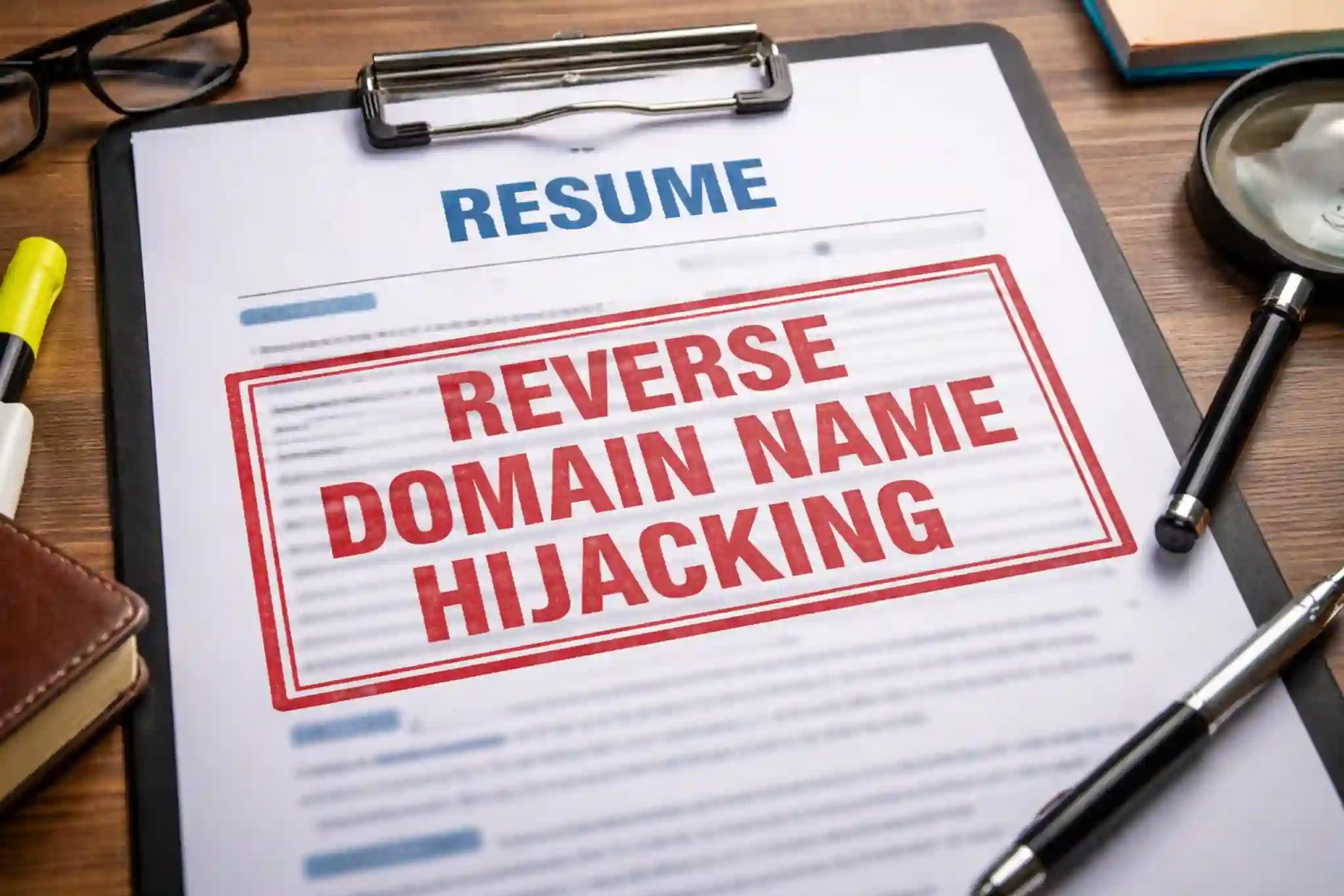
A National Arbitration Forum panelist has determined that Cooper’s Hawk Winery & Restaurants tried to reverse domain name hijack the domain name CoopersHawk.com.
The restaurant chain was founded in 2005 with a single location near Chicago. It has grown to regarding 40 locations in the United States, primarily in the upper midwest, Florida, and the mid-Atlantic.
Virtual Point, a firm owned by the same entity that runs UDRPSearch.com, purchased the domain name in 2005 upon its expiration. Cooper’s Hawk is a type of bird native to North America.
Based on the UDRP decision and documents obtained by Reglike, it appears that Cooper’s Hawk first expressed an interest in the domain shortly following it was founded.
As stated by Virtual Point, it agreed with the restaurant’s founder and CEO, Tim McEnery, to sell the domain name for $5,000. Still, it stated that McEnery did not complete the transaction.
Another representative of the restaurant inquired regarding the domain name in 2010 but called $5,000 “ridiculous and unacceptable,” as stated by documents reviewed by Reglike.
Then, in June of this year, Cooper’s Hawk’s SVP of Technology sent an email stating that the firm was interested in purchasing the domain. In a follow-up email, she stated, “As the valid legal registered owners of the mark, we feel we are entitled to the mark,” and requested that Virtual Point turn over the domain name.
Virtual Point’s attorneys at Lewis & Lin then sent a notice to the restaurant chain, asking it to withdraw any claims of rights to the domain name under the threat that Virtual Point would sue for reverse domain name hijacking and declaratory judgment otherwise.
An attorney for Cooper’s Hawk sent a response stating that the SVP of Technology was misguided in her statement and that:
…I can say with the utmost confidence that any belief that my client intended to wrongfully interfere with your client’s property interest in bad faith and/or to reverse hijack the same is misguided, as is any implication that my client was threatening legal action to wrestle control of the domain name away from your client.
The attorney marked the correspondence as covered under Rule 408. This is a legal rule in the United States that states that settlement negotiations aren’t admissible in court.
But the UDRP is not a U.S. court. Panelist Jeffrey Neuman noted that settlement negotiations are often used against domain name owners in UDRP, and there’s no good reason they shouldn’t be admissible to determine if a Complainant acted in bad faith for purposes of reverse domain name hijacking.
Neuman found that the domain wasn’t registered and used in bad faith and that Cooper’s Hawk Winery & Restaurants filed the case in abuse of the policy.
He wrote that he was troubled by five facts:
(a) This action was taken 15 years following domain name was initially purchased.
(b) The Complainant provides no evidence to demonstrate that it was plausible that the Respondent knew or ought to have known regarding the Complainant’s rights at the time it registered the domain name. It offers nothing other than the fact that it opened a restaurant in Illinois prior to the Respondent’s registration of the domain name and that it had a first use date on its US Trademark Registration which is one month prior to Respondent acquiring the domain name. See X6D Limited v. Telepathy, Inc., D2010-1519 (WIPO November 16, 2010).
(c) The Respondent never initiated contact with the Complainant to sell the domain name to the Complainant. It is not sufficient to argue that a mere listing of a site for sale ought to have the same impact as the Respondent actually reaching out to the Respondent.
(d) The Complainant initiated contact a number of times with the Respondent to negotiate the sale of the domain name and as stated by the evidence (which is not disputed), actually entered into an agreement to purchase the domain name a number of years ago. Still, as stated by the Respondent, the Complainant purportedly reneged on its payment of $5,000 to acquire the domain name. If true, and Complainant had followed through, we would not be here today.
(e) As stated by the letter sent by Complainant’s counsel to Respondent’s counsel on July 2, 2020 (“Letter”), Complainant does seem to admit that one of its employee’s (sic) may have blurred “the lines between trademark rights and domain name ownership,” and that Complainant agreed “that this was an improper interpretation of the extent of its trademark rights by my client”. Yet a number of months later, following apparently unsuccessfully negotiating a price for the domain name, Complainant filed this very action.
The restaurant chain uses the domain name CHWinery.com. Sponsler Koren Hammer & Lahey, P.A. represented it in the UDRP.