
Dakota Access Pipeline Operator Fails in Cybersquatting Claim
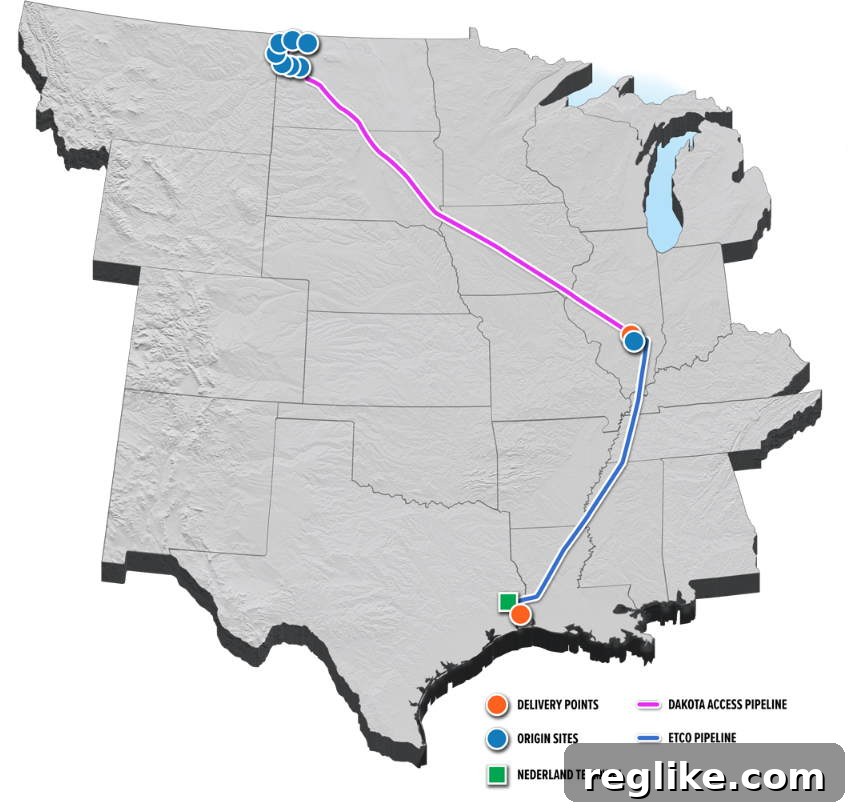
The Dakota Access Pipeline, a major infrastructure project transporting oil from the Bakken formation in North Dakota to key distribution points in Illinois and Texas, has been the subject of much debate and controversy. Recently, the pipeline’s operator, Dakota Access LLC, a subsidiary of Energy Transfer LP, found themselves on the losing end of a cybersquatting dispute. The case involved the domain name dakotaaccesspipeline.com, highlighting the complex intersection of corporate interests, internet governance, and public discourse.
The dispute centered around the domain name dakotaaccesspipeline.com, which was registered by an individual residing in Virginia. Dakota Access LLC initiated a legal challenge under the Uniform Domain Name Dispute Resolution Policy (UDRP), a mechanism designed to resolve disputes over domain names that are allegedly registered in bad faith. The UDRP process is overseen by organizations like the World Intellectual Property Organization (WIPO) and the National Arbitration Forum (NAF), providing a relatively quick and cost-effective alternative to traditional litigation.
Dakota Access LLC argued that the domain name was confusingly similar to their trademark and that the registrant had acted in bad faith by registering the domain with the intent to profit from or otherwise harm the company’s reputation. However, the domain name registrant countered that their intention was to provide information and commentary related to the pipeline, its environmental impact, and the broader public debate surrounding its operation. The registrant claimed to have no intention of extorting Dakota Access LLC or unfairly profiting from the domain name.
The UDRP Ruling: A Decisive Loss for Dakota Access LLC
After reviewing the evidence presented by both parties, the UDRP panel, led by panelist Eugene Low, ultimately ruled in favor of the domain name registrant. The panel found that Dakota Access LLC had failed to meet the burden of proof required to establish a successful claim under the UDRP. Specifically, the panel determined that Dakota Access LLC had not sufficiently demonstrated that the domain name was registered in bad faith or that the registrant had any malicious intent.
To succeed in a UDRP claim, a complainant must typically prove three elements:
- The domain name is identical or confusingly similar to a trademark or service mark in which the complainant has rights.
- The registrant has no rights or legitimate interests in the domain name.
- The domain name was registered and is being used in bad faith.
In this case, while the first element was likely met due to the clear similarity between the domain name and the Dakota Access Pipeline name, the panel found insufficient evidence to support the second and third elements. This failure proved fatal to Dakota Access LLC’s claim.
The panel’s decision highlighted the importance of demonstrating clear evidence of bad faith intent on the part of the domain name registrant. Simply owning a domain name that is similar to a trademark is not enough to establish a successful cybersquatting claim. The complainant must show that the registrant is actively using the domain name to deceive consumers, profit unfairly from the trademark, or otherwise harm the trademark owner’s reputation.
Reverse Domain Name Hijacking: A Missed Opportunity?
Interestingly, the domain name registrant accused Dakota Access LLC of engaging in reverse domain name hijacking (RDNH), a practice in which a trademark owner attempts to unfairly seize a domain name from a legitimate registrant. However, panelist Eugene Low chose not to consider the issue of RDNH, even though the registrant argued that the dispute was filed to harass them. This decision might seem surprising given the registrant’s allegations, but UDRP panels are often reluctant to make findings of RDNH unless there is clear and convincing evidence that the complainant acted in bad faith and with the primary purpose of depriving the registrant of their domain name.
A finding of RDNH can have significant consequences for the complainant, potentially leading to reputational damage and even legal action. Therefore, UDRP panels typically exercise caution when considering such allegations, requiring a high standard of proof before making a finding of RDNH.
Implications of the Ruling
The Dakota Access Pipeline cybersquatting dispute serves as a reminder of the importance of protecting intellectual property rights in the digital realm. While trademark owners have a legitimate interest in preventing the unauthorized use of their trademarks in domain names, they must also be mindful of the rights of legitimate domain name registrants who may have a legitimate interest in using a particular domain name for informational or other purposes.
The UDRP provides a valuable mechanism for resolving domain name disputes in a fair and efficient manner. However, it is essential that trademark owners carefully consider the merits of their claims before initiating UDRP proceedings. A poorly supported claim can not only result in a loss but also potentially expose the trademark owner to allegations of reverse domain name hijacking.
The case also underscores the ongoing debate surrounding the Dakota Access Pipeline and its impact on the environment and indigenous communities. The domain name dakotaaccesspipeline.com, while currently resolving to a registrar holding page, could potentially become a platform for information and commentary related to the pipeline, further fueling the public discourse surrounding this controversial project.
The Future of Dakotaaccesspipeline.com
What happens next with dakotaaccesspipeline.com remains to be seen. The registrant has the opportunity to develop the website and use it as a platform for sharing information and perspectives on the Dakota Access Pipeline. Alternatively, they could choose to sell the domain name to Dakota Access LLC or another interested party. Regardless of the future of the domain, the UDRP ruling has set a precedent and provides valuable insights into the legal considerations surrounding domain name ownership and cybersquatting disputes.
For Dakota Access LLC, the loss in this UDRP dispute may prompt them to reconsider their domain name strategy and explore alternative methods for protecting their brand online. This case serves as a valuable lesson for other companies facing similar challenges, highlighting the importance of carefully assessing the merits of a cybersquatting claim and gathering sufficient evidence to support their case.
In conclusion, the Dakota Access Pipeline cybersquatting dispute is a complex case that touches upon issues of trademark law, internet governance, and public debate. The UDRP ruling underscores the importance of demonstrating bad faith intent in cybersquatting claims and highlights the challenges faced by trademark owners in protecting their brands in the digital age. As the debate surrounding the Dakota Access Pipeline continues, the domain name dakotaaccesspipeline.com may play a significant role in shaping the public discourse surrounding this controversial project.