
Ethical Conduct in Domain Brokering: A Comprehensive Guide for Buyers, Sellers, and Brokers
The digital economy increasingly relies on domain names as fundamental assets, making their acquisition and divestment a sophisticated, high-stakes industry. Navigating this landscape requires more than just market savvy; it demands a robust commitment to ethical behavior. As transactions become more complex and the value of premium domains escalates, the principles guiding buyers, sellers, and especially domain brokers are put to the test. This in-depth guide explores the critical importance of ethics in domain transactions, providing clarity and actionable insights for every participant in the ecosystem.
The Indispensable Role of Integrity in Domain Transactions
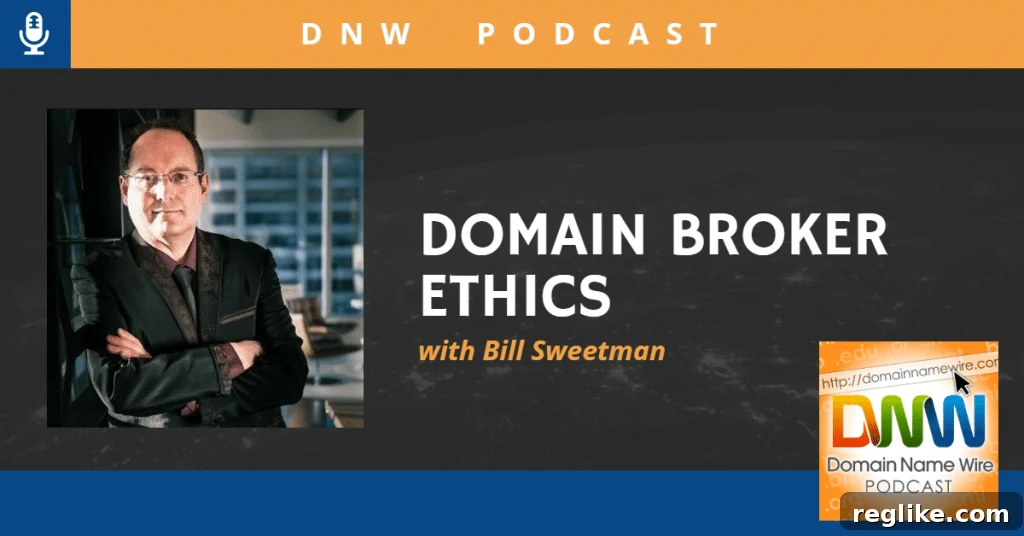
In a market where anonymity can sometimes obscure accountability, trust is the bedrock of every successful domain transaction. Without a strong ethical foundation, the industry risks descending into a quagmire of suspicion, which ultimately stifles fair trade and discourages legitimate investment. Industry veteran Bill Sweetman, a renowned domain buyer broker and the founder of Name Ninja, consistently highlights the paramount need for integrity throughout the entire domain lifecycle. His extensive expertise shines a light on the various “shady things” that can undermine the fairness and transparency of a deal, emphasizing that a commitment to ethical practices is not just morally right, but strategically essential for long-term success.
Defining the Roles: Buyer Brokers vs. Seller Brokers
Domain brokers serve as vital intermediaries, streamlining the often-intricate process of buying or selling a domain name. They act as skilled navigators, bridging the gap between anonymous domain owners and interested buyers, negotiating terms, performing due diligence, and ultimately aiming to secure the most favorable outcome for their clients. Given this central role, their conduct directly influences the perceived trustworthiness and transparency of the entire transaction process. Domain brokers typically specialize in one of two distinct capacities:
- Buyer Brokers: These professionals diligently represent the buyer’s interests. Their mission involves identifying desired domain names, initiating contact with current owners, and skillfully negotiating the most advantageous purchase terms on behalf of their client. They act as strategic partners, ensuring the buyer acquires the ideal domain efficiently and at a fair price.
- Seller Brokers: Conversely, seller brokers dedicate themselves to representing the seller’s interests. Their responsibilities include strategically marketing domain names, actively identifying and engaging potential buyers, and expertly negotiating to achieve the highest possible sale price for their client’s valuable digital asset. They are entrusted with maximizing the return on investment for the seller.
Navigating the Ethical Minefield: Recognizing Unscrupulous Practices
Regrettably, the domain market, like any other high-value asset market, is not immune to questionable and unethical tactics. As Bill Sweetman aptly notes, a spectrum of “shady things” can transpire, ranging from subtle manipulative ploys to overt deceptive schemes. Developing the acumen to recognize these potential pitfalls is the crucial first step toward fostering and maintaining an ethical transaction environment.
Common Unethical Practices to Be Aware Of:
- Misrepresentation and False Claims: This involves providing inaccurate or inflated data about a domain’s traffic, historical revenue, development potential, or even its ownership history. Such deception can severely mislead buyers and artificially inflate a domain’s perceived value.
- Exploitative Lowballing: Some parties may attempt to acquire a valuable domain for a fraction of its true market worth by exploiting a seller’s lack of market knowledge, financial distress, or urgent need to sell. This practice undermines fair market value and equity.
- Undisclosed Conflicts of Interest: A critical ethical breach occurs when a broker represents both the buyer and the seller in the same transaction without full, explicit disclosure and consent from both parties. Similarly, a conflict arises if a broker has an undisclosed personal financial stake in the domain being traded.
- Ghost Bidding and Value Pumping: These tactics involve artificially inflating a domain’s perceived demand or value. This can be achieved through fake bids in an auction, creating an illusion of high interest, or circulating false information to drive up prices.
- Hidden Fees and Opaque Commissions: Charging clients undisclosed administrative fees, service charges, or taking excessive, non-transparent commissions is a direct violation of trust and fair dealing. All compensation structures should be crystal clear from the outset.
- Breach of Confidentiality: Sharing sensitive client information, such as their maximum budget, strategic motivations, or personal details, without explicit consent is a grave ethical and professional lapse that can compromise a client’s negotiating position and privacy.
- Aggressive or Harassing Tactics: Relentlessly pursuing a domain owner with unwanted, unsolicited offers, or employing intimidating and high-pressure tactics to force a sale, creates a hostile and unethical transaction environment.
Bill Sweetman’s Guiding Principle for Ethical Conduct: The Transparency Test
In the face of these complexities and potential missteps, Bill Sweetman advocates for a refreshingly straightforward yet profoundly impactful principle for assessing ethical behavior. While the precise phrasing may vary, the core essence of his rule aligns closely with what is commonly referred to as the “Front-Page Test” or, more broadly, the “Transparency Test.”
The Transparency Test: “Before taking any action or making any decision in a domain transaction, ask yourself: If this particular action, my reasoning behind it, and my ultimate intentions were to be broadcast publicly – featured on the front page of a national newspaper or shared widely across all major social media platforms – would I feel proud and comfortable explaining it to my clients, my industry peers, and the general public? Would I be able to stand by it without reservation or embarrassment?”
This deceptively simple yet profoundly powerful self-assessment tool compels individuals to deeply consider the broader implications and potential public perception of their actions. It necessitates a moment of genuine reflection before proceeding, fostering an environment of transparency, accountability, and the inherent understanding that honesty and forthrightness ultimately serve the best interests of all parties involved in the long term, far outweighing any potential short-term gains from unethical shortcuts.
Specific Ethical Responsibilities for Each Participant
For Domain Buyers:
Buyers, while aiming for the best possible deal, also bear a responsibility to maintain ethical standards to foster a healthy market.
- Fairness in Offers: While negotiation is expected, buyers should strive to make offers that reflect a reasonable market valuation, avoiding predatory tactics or attempts to blatantly exploit a seller’s circumstances.
- Honoring Agreements: Once an offer has been formally accepted, buyers are ethically bound to proceed in good faith and honor all commitments made during the negotiation process.
- Transparency with Brokers: Provide their buyer broker with accurate and complete information regarding their budget, strategic intentions, and any specific requirements or limitations to enable effective and ethical representation.
- Diligent Research: Buyers should conduct their own thorough due diligence or rely on reputable brokers to verify the legitimacy, history, and true market value of the domain in question, protecting themselves from misrepresentation.
For Domain Sellers:
Sellers are responsible for accurately representing their assets and engaging in fair negotiations.
- Accurate Representation: Sellers must provide truthful and comprehensive information concerning the domain’s history, traffic statistics, past monetization efforts, any associated liabilities, or encumbrances.
- Realistic Price Expectations: While aiming for a strong return, sellers should cultivate realistic price expectations based on current market valuations and be open to fair, data-driven negotiations, rather than holding out for unrealistic figures.
- Honoring Accepted Offers: Similar to buyers, sellers are ethically obligated to honor accepted offers and proceed diligently with the domain transfer process as mutually agreed upon.
- Transparency with Brokers: Fully disclose all relevant information about the domain and their motivations for selling to their seller broker, enabling the broker to represent their interests effectively and ethically.
For Domain Brokers (Both Buyer and Seller Sides):
Brokers bear the most significant ethical responsibilities due to their professional intermediary status and the trust placed in them. Their actions directly shape the trustworthiness of the entire transaction process.
- Fiduciary Duty: This is a paramount responsibility, requiring brokers to act solely and exclusively in the absolute best interest of their client, prioritizing their client’s success and well-being above their own or any third party’s.
- Unwavering Transparency: Brokers must clearly and unequivocally disclose all applicable fees, potential or actual conflicts of interest, and the full scope of their services and limitations from the outset of the engagement.
- Strict Confidentiality: Safeguarding sensitive client information, including their financial capabilities, strategic motivations, proprietary business details, and personal data, is a non-negotiable ethical obligation.
- Honest Valuation and Impartial Advice: Brokers are expected to provide accurate, data-backed market assessments and impartial, unbiased advice based on verifiable information, not on speculative hype or personal gain.
- Fair Negotiation Facilitation: Even while representing one party, brokers must facilitate a negotiation process that remains fair, respectful, and professional towards both the buyer and the seller.
- Professionalism and Integrity: Maintaining the highest standards of professional conduct, consistently avoiding aggressive sales tactics, false pretenses, manipulative pressure, or any form of deception.
- Thorough Due Diligence: Diligently vetting both the domains for sale and the legitimacy of potential buyers is crucial to prevent fraudulent activities, misrepresentation, or other harmful practices.
The Strategic Advantage of Ethical Conduct: Why Honesty Fuels Success
Beyond the moral imperatives, operating with unwavering ethical conduct in domain brokering yields substantial and quantifiable business benefits. A broker, buyer, or seller who cultivates a reputation for integrity establishes an invaluable asset that directly contributes to sustained success:
- Enhanced Trust and Repeat Business: Clients are significantly more inclined to return for future engagements and confidently refer new business to professionals renowned for their honesty and reliability.
- Smoother and More Efficient Transactions: Deals tend to progress with fewer complications, disputes, or unforeseen obstacles when all parties operate with transparency and mutual respect, leading to quicker closures.
- Sustainable Long-Term Growth: A robust ethical foundation fosters sustainable business growth and market leadership, standing in stark contrast to short-sighted, unethical gains that inevitably lead to reputational damage, legal liabilities, and market ostracization.
- A Healthier Industry Ecosystem: Collective ethical practices contribute directly to a more robust, trustworthy, and dynamic domain market, attracting legitimate investors, fostering innovation, and elevating the industry’s overall standing.
Broader Industry Insights: Connecting Ethics to Market Dynamics
While the core focus of this discussion is undeniably ethics, it’s crucial to acknowledge that ethical considerations are deeply intertwined with the broader, ever-evolving domain landscape. For instance, the meteoric rise of platforms like TikTok has fundamentally reshaped digital branding and marketing strategies, consequently elevating the value and demand for short, memorable, and brandable domain names. This intensified demand, while creating opportunities, can unfortunately also create an environment where less scrupulous individuals might be tempted towards unethical shortcuts.
Similarly, understanding broader domain sales trends, market analytics, and even utilizing personal financial management tools (like the hypothetical “Pocketbook” often referenced in financial discussions) become vital for professionals managing extensive domain portfolios. Such tools and insights underscore the profound financial responsibility and strategic thinking inextricably linked to these valuable digital assets, where ethical considerations should always remain at the forefront.
Sponsor Highlight: We extend our appreciation to DAN.com, a leading platform in the domain secondary market. Their continued efforts in facilitating secure and transparent domain transactions exemplify the critical role that robust, reputable platforms play in fostering an environment conducive to ethical dealings within the industry.
Concluding Thoughts: Building on a Foundation of Unshakeable Trust
The domain name industry stands as a vibrant, exciting, and immensely promising sector of the digital economy. However, its enduring growth, legitimacy, and overall prosperity are entirely contingent upon a collective, unwavering commitment to ethical conduct from every participant. From the individual buyer initiating their very first inquiry to the seasoned broker meticulously closing a multi-million dollar portfolio deal, each party holds a pivotal role in upholding the integrity and trustworthiness of the market.
Bill Sweetman’s pragmatic and insightful approach, distilled into the simple yet profound Transparency Test, serves as an invaluable compass. It reminds us that the truest measure of any action is its ability to withstand public scrutiny – if an action can be openly and proudly defended, it is almost certainly ethical. By consistently embracing transparency, prioritizing fairness, and demonstrating an unyielding commitment to honesty, we can collectively ensure that the domain market continues to flourish as a respected, trustworthy, and thriving ecosystem for all who participate.
Related Insights: Listening to Industry Experts
This article draws significant inspiration from insightful discussions with domain industry leaders like Bill Sweetman. To gain deeper perspectives on ethical domain brokering and other critical industry topics, engaging with expert interviews and podcasts is highly recommended.
Note on Original Content: The initial source included an interactive audio player and subscription buttons. In adherence to the requirement for a pure HTML output without JavaScript, these interactive elements have been replaced with descriptive text and standard hyperlinks where appropriate.
Typical Podcast Access Points:
- Direct Download (Example): Download Podcast Episode (MP3) (Duration: 33:06 — 75.7MB)
- Subscribe via RSS: Subscribe to Podcast RSS Feed
- Subscribe via Apple Podcasts: Listen on Apple Podcasts
- Explore Previous Episodes: Find archives of past discussions and interviews on reputable industry websites.