
Dell releases Adamo computer; domain registrar Tucows owns Adamo.com
The Adamo Domain Dilemma: A Case Study in Digital Branding and Strategic Oversight
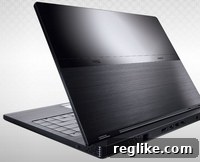
In the fast-paced world of technology and brand launches, every detail matters – especially in the digital realm. When Dell, a global titan in computer manufacturing, unveiled its sleek and sophisticated Adamo laptop, it was designed to be a statement of design and premium performance. However, what initially appeared as a triumphant product introduction quickly evolved into a compelling case study on the critical importance of digital asset management, specifically, the ownership of an exact match domain name.
The story began to unfold when it became apparent that despite launching a product with such a distinctive name, Dell had not secured Adamo.com. Instead, the company opted for a slightly altered version, AdamobyDell.com, leaving many consumers and industry observers scratching their heads. This oversight not only created immediate confusion but also highlighted a fundamental disconnect between traditional marketing strategies and the immutable realities of the modern internet landscape.
The Undeniable Power of Exact Match Domains (EMDs)
In today’s digital-first world, a domain name is far more than just a web address; it’s the cornerstone of a brand’s online identity, a critical component of user experience, and a powerful SEO tool. An exact match domain (EMD) like “Adamo.com” offers unparalleled advantages:
- Intuitive Navigation: Consumers naturally gravitate towards typing the simplest, most direct version of a brand or product name into their browser. If a product is called Adamo, the first instinct is to type Adamo.com.
- Brand Authority and Trust: Owning the quintessential domain name lends immediate credibility and authority to a brand. It signals professionalism and completeness, reinforcing consumer trust.
- Search Engine Optimization (SEO) Benefits: While Google’s algorithms have evolved beyond merely favoring EMDs, an exact match domain still provides a strong relevance signal, contributing positively to search visibility and organic traffic.
- Marketing Clarity: An EMD simplifies all marketing efforts. Every advertisement, every press release, every social media post can point directly to the most memorable and obvious online destination, reducing friction for potential customers.
Dell’s decision to use AdamobyDell.com, while understandable from a branding perspective (clearly linking the product to the parent company), introduced an unnecessary layer of complexity. It forced consumers to remember a slightly longer, less intuitive address, thereby increasing the potential for misdirection and frustration. For a company of Dell’s stature, with vast marketing budgets and global reach, this seemed like an uncharacteristic misstep.
Tucows and the Premium Domain Market
The plot thickened with the revelation that Adamo.com was not merely unregistered but was, in fact, owned by Tucows (AMEX: TCX), a prominent domain registrar and wholesale internet services provider. Tucows held Adamo.com as part of its NetIdentity portfolio, a collection of premium domain names often derived from common surnames or popular terms, held for their inherent value and potential for future development or sale.
The domain industry operates on principles distinct from traditional real estate or product manufacturing. Premium domains are strategic digital assets, often acquired years in advance based on predictive analysis of linguistic trends, brand potential, and search popularity. Companies like Tucows leverage their expertise to identify and hold such assets, making them available for lease or purchase to businesses that eventually recognize their critical value.
Bill Sweetman, General Manager of Tucows’ Yummy Domains, offered a candid explanation of the situation, shedding light on the communication breakdown:
Dell never approached YummyNames although they claim a broker approached us anonymously and got the impression it would be too much money, but no one here has any knowledge of that exchange and, besides, we also offer domain name leases for as little as $750 a month. We subsequently reached out to Dell’s ad agency, Enfatico, when we noticed a traffic spike to the domain dating back to the CES announcement of the laptop in December. We are fans of Dell and want to help them out but they seem to think even $750 is too big an investment for a global product launch. We are all stunned that Dell, of all companies, doesn’t get the value of a good domain name!”
Sweetman’s statement reveals several critical insights into domain acquisition strategy and valuation. Firstly, the alleged anonymous broker interaction suggests a cautious, perhaps hesitant, approach from Dell’s side, possibly trying to gauge the domain’s price without revealing their full intent. This is a common tactic, but one that can sometimes backfire by creating ambiguity and hindering direct negotiation.
Secondly, Tucows’ offer of a domain lease for “as little as $750 a month” underscores the perceived value of Adamo.com within the domain industry. For a multi-billion dollar corporation like Dell launching a global product expected to generate millions in revenue, an investment of $750 per month – or even a one-time purchase in the low to mid-five figures – pales in comparison to typical marketing and advertising expenditures. A global product launch for a major tech company often entails marketing budgets stretching into tens or even hundreds of millions of dollars. In this context, securing the primary digital gateway for such a product for a mere fraction of that cost appears not just reasonable, but strategically imperative.
The Cost of Consumer Confusion and Brand Dilution
The immediate consequence of not owning Adamo.com was, as predicted, consumer confusion. People naturally typed Adamo.com into their browsers, expecting to land on Dell’s official product page. Instead, they were directed to Tucows’ domain parking page. While Tucows, acting proactively, later added a direct link from Adamo.com to Dell’s AdamobyDell.com, this was a reactive measure to mitigate confusion, not a solution to the underlying problem.
Every instance of a customer landing on the wrong page, even with a helpful redirect, represents a minor friction point in their journey. These cumulative frictions can subtly erode brand perception. A company that seemingly “misses” its core domain name might appear less organized, less digitally savvy, or less committed to a seamless customer experience. In a competitive market, such perceptions, however subtle, can have tangible impacts on sales and customer loyalty.
Consider the potential for lost traffic. While Dell undoubtedly pushed traffic to AdamobyDell.com through its extensive marketing campaigns, a significant portion of direct navigation and organic search traffic likely attempted to reach Adamo.com first. This lost traffic translates into missed opportunities, reduced brand engagement, and a less efficient return on marketing investment.
The Eventual Resolution: A Lesson Learned
The story of Adamo.com, thankfully for Dell, has a pragmatic conclusion. Following the initial product launch and the ensuing discussion about the domain oversight, Dell eventually recognized the strategic necessity of owning the primary domain. As reported, Dell ultimately purchased Adamo.com from Tucows.
This acquisition, while coming after the initial launch, validated the domain industry’s perspective on the value of premium digital real estate. It demonstrated that even large, established corporations, after an initial miscalculation, can and do adjust their strategies to secure essential digital assets. The reasons for the eventual purchase were likely multi-faceted: persistent consumer confusion, internal recognition of the long-term brand implications, and perhaps a revised assessment of the domain’s true strategic worth compared to its acquisition cost.
The fact that Dell paid for Adamo.com underscores a crucial point: often, the cost of not owning the right domain far outweighs the price of acquiring it. The intangible costs of consumer confusion, brand dilution, lost traffic, and diminished online authority can be far more damaging and expensive in the long run than a direct financial investment in a premium domain name.
Strategic Domain Management for the Future
The Dell Adamo case serves as a timeless reminder for businesses of all sizes, from startups to multinational corporations, about the critical role of comprehensive digital strategy:
- Proactive Acquisition: Domain names should be considered and acquired early in the product development lifecycle, ideally even before naming conventions are finalized. This prevents squatting and ensures brand consistency.
- Budget for Digital Assets: Allocate dedicated budget for acquiring not just the primary .com domain, but also relevant extensions, common misspellings, and geographical variations to protect the brand’s digital footprint.
- Understand Valuation: Recognize that premium domain names are investments, not merely expenses. Their value is tied to their ability to drive traffic, enhance brand recognition, and simplify marketing efforts.
- Direct Negotiation: When pursuing a specific domain, engaging directly with the owner, or through reputable brokers with transparent intentions, can lead to more efficient and successful negotiations.
- Long-Term Vision: A strong domain strategy is a long-term investment in a brand’s future. It protects against competitors, enhances customer experience, and builds a robust online presence that can adapt and grow.
In conclusion, the Adamo domain dilemma remains a significant touchstone in the ongoing conversation about digital branding. It illustrates that even for tech giants, overlooking fundamental digital assets like exact match domain names can lead to measurable confusion and missed opportunities. Dell’s eventual acquisition of Adamo.com highlights a valuable lesson for every business navigating the complexities of the modern digital landscape: in the online world, your address is your identity, and its importance cannot be overstated.