
Navigating the Competitive Landscape: The Perils of Aggressive Domain Strategy
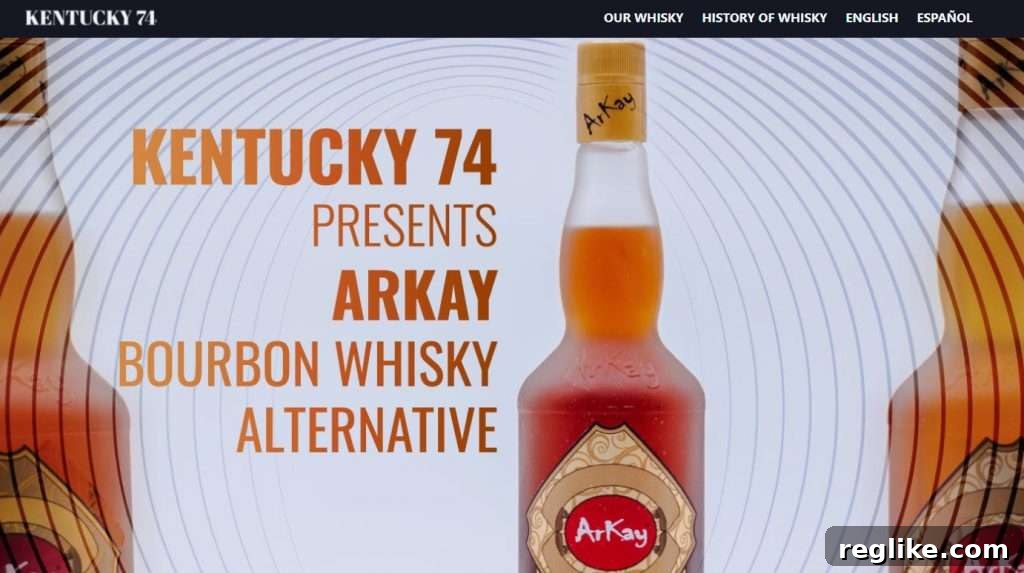
In the rapidly expanding world of non-alcoholic beverages, competition is fierce, and companies are constantly seeking an edge. However, some strategies push the boundaries of legal and ethical conduct, leading to heated disputes and potential litigation. A recent exposé by Wired magazine brought to light the intriguing case of an industry figure employing highly aggressive tactics, specifically by registering domain names that directly mimic his competitors’ brands. This practice has ignited a broader discussion about brand protection, fair competition, and the complex legal landscape of intellectual property in the digital age.
The Booming Market of Non-Alcoholic Spirits and Its Challenges
The global market for non-alcoholic spirits, wines, and beers has experienced an unprecedented surge in recent years. This remarkable growth is fueled by increasing health consciousness, the rise of the sober-curious movement, and a broader consumer demand for diverse social drinking options. Consumers are enthusiastically embracing alcohol-free alternatives, transforming a niche market into a mainstream phenomenon. This booming sector has attracted numerous innovative startups and established brands alike, fostering a vibrant yet intensely competitive environment. Companies like Seedlip, Ritual Zero Proof, and ArKay have emerged as key players, each vying for market share and consumer loyalty. In such a dynamic landscape, a strong brand identity, robust marketing, and a solid digital presence are not just beneficial; they are absolutely paramount for sustained success.
Among these pioneers is Reynald Grattagliano, the founder of ArKay, a non-alcoholic beverage maker that claims a long-standing presence in the industry, predating many of its current rivals. While ArKay has been a significant presence, Grattagliano reportedly harbors considerable frustration with the burgeoning competition. This perceived annoyance has, according to reports, manifested in a highly controversial strategy: the systematic registration of numerous domain names that closely match the brands of his competitors. Such actions raise critical questions about the nature of competition and the boundaries of acceptable business practices in any industry, especially one as publicly visible as consumer beverages.
When Competition Crosses the Line: The Domain Grabbing Strategy
Imagine a scenario where a historic tech giant, feeling the heat from new market entrants, begins registering domain names identical or confusingly similar to its rivals. This analogy perfectly illustrates the controversial nature of Grattagliano’s approach. His registration of domains such as Kentucky74.com, which directly corresponds to a competitor’s recognized brand, and then using that domain to promote ArKay’s own alternative non-alcoholic products, exemplifies this strategy. What further complicates the matter is his successful acquisition of a trademark for the name in Mexico, seemingly an attempt to legitimize his use of a competitor’s brand name in a different jurisdiction. This move, however, might offer little protection against international or US-based legal challenges, as trademark rights are largely territorial.
Possessing a trademark in one country does not automatically grant universal rights or immunity from legal challenges elsewhere, especially when the intent behind the domain registration appears to be to capitalize on a competitor’s established brand equity. This situation immediately brings to mind the legal concept of cybersquatting, a practice almost as old as the internet itself and one that jurisdictions worldwide have sought to curb through specific legislation. Understanding the nuances of cybersquatting and trademark law is crucial for any business operating in the digital sphere.
Defining Cybersquatting and Its Legal Implications
The practice of registering, trafficking in, or using a domain name with bad-faith intent to profit from the goodwill of someone else’s trademark is universally known as cybersquatting. In the United States, this practice was specifically outlawed by Congress in 1999 through the Anticybersquatting Consumer Protection Act (ACPA). This landmark legislation was enacted to protect legitimate trademark owners from individuals who register domain names containing their marks without authorization, often with the intention of selling them back to the rightful owner at an inflated price or diverting traffic to competing sites, thereby causing confusion and dilution of brand identity.
Grattagliano, in his defense as quoted in the Wired article, argues that he secured these domains before his competitors had formally registered their trademarks. He contends, “Many competitors are so much focused on destroying me that they forgot to register their trademarks and domain names. Therefore my job is to protect my business by securing trademark and domain names.” While this perspective highlights a focus on perceived vulnerability, it fundamentally misunderstands or disregards crucial aspects of intellectual property law. The core issue in cybersquatting cases often hinges on “bad faith intent,” rather than mere chronological priority of domain registration. If a person registers a domain name knowing it incorporates another entity’s distinctive brand, even if that brand isn’t yet *formally registered* as a trademark, it can still constitute bad faith, particularly if the brand is already in use and well-known, establishing common law trademark rights.
Purchasing domains with other people’s trademarks in them is known as cybersquatting and is almost as old as the internet itself. In 1999, Congress outlawed the practice. But Grattagliano says he grabbed domains that correspond with other companies’ products before the trademarks were registered in the first place. “Many competitors are so much focused on destroying me that they forgot to register their trademarks and domain names,” says Grattagliano. “Therefore my job is to protect my business by securing trademark and domain names.”
The legal framework is clear: simply because a company hasn’t yet *registered* its trademark with a government body doesn’t negate its common law rights to that mark, especially if it’s already using the brand in commerce and it has acquired distinctiveness. The crucial element is intent. If Grattagliano registered these domains with the explicit knowledge that they corresponded to a competitor’s established brand, his defense regarding unregistered trademarks holds little water in a court of law. It’s not akin to an innocent party registering an unowned domain; rather, it appears to be a deliberate act to leverage or disrupt a competitor’s brand identity. This differs significantly from a scenario where, for instance, a major tech company like Microsoft might announce a new product without first securing the corresponding domain, allowing an unrelated party to register it without prior knowledge of its specific brand affiliation. The malicious intent behind such domain registrations is precisely what anti-cybersquatting laws aim to prevent.
Beyond Domain Grabbing: Deceptive Practices and Unfair Competition
Grattagliano’s aggressive tactics extend beyond mere domain registration. Reports indicate he has also engaged in publishing fabricated press releases, including one notably audacious claim that ArKay was in the process of acquiring two of its rivals. Such actions venture into the realm of deceptive trade practices and constitute clear instances of unfair competition. These false announcements can cause significant confusion in the market, mislead investors, disrupt competitors’ business operations, and ultimately harm consumers by sowing distrust. In a competitive industry, while innovation and strategic marketing are encouraged, intentionally disseminating false information to undermine rivals crosses a dangerous ethical and legal line, risking severe legal repercussions and irreparable damage to one’s own brand reputation and credibility.
A Recurring Pattern: Lessons from the Past
What makes Grattagliano’s current actions even more compelling is that this isn’t his first foray into such contentious domain strategies. Wired’s report highlights a similar pattern of behavior from the late 1990s when he was actively involved in the perfume industry. This history suggests a consistent modus operandi, indicating a deliberate, long-standing approach to competitive strategy rather than an isolated incident. This recurring pattern underscores the importance for businesses to be vigilant not only about protecting their intellectual property but also about monitoring competitors for signs of potentially infringing or unethical practices. Such a history can also serve as aggravating evidence in any future legal proceedings, demonstrating a pattern of bad-faith intent.
Essential Strategies for Brand Protection in the Digital Age
This case serves as a stark reminder for all businesses, particularly those in nascent and rapidly evolving markets like non-alcoholic beverages, about the critical importance of robust brand protection. Proactive measures are indispensable to safeguard intellectual property and maintain market integrity:
- Early and Thorough Trademark Registration: Secure formal trademark registration for your brand name, logo, and slogans in all relevant jurisdictions as early as possible. This provides stronger legal standing, public notice of your rights, and often a presumption of ownership, making enforcement significantly easier.
- Comprehensive Domain Strategy: Register not just your primary domain, but also common misspellings, variations, and relevant top-level domains (TLDs) to prevent cybersquatters from capitalizing on your brand. Consider geographical variations and future product line names as well.
- Continuous Brand Monitoring: Implement advanced tools and services to actively monitor the internet for unauthorized use of your brand, including suspicious domain registrations, social media mentions, forum discussions, and potentially infringing content or advertising campaigns.
- Proactive Legal Counsel: Engage experienced intellectual property attorneys to advise on comprehensive brand protection strategies, conduct thorough due diligence, and take swift, decisive action against infringement. Early intervention can prevent minor issues from escalating into costly legal battles.
- Clear and Consistent Communication: Maintain clear and consistent messaging around your brand and product offerings to minimize consumer confusion. This is especially crucial in the face of misleading external claims or competitive tactics that aim to dilute your brand.
In an era where digital presence is synonymous with brand identity and market reach, neglecting these protective measures can leave a company dangerously vulnerable to aggressive tactics, significant reputational damage, and financially draining legal battles. The initial investment in proactive brand protection pales in comparison to the potential costs and business disruption of remediation once infringement has occurred.
Conclusion: Striking the Balance Between Competition and Fair Play
The saga involving ArKay’s founder, Reynald Grattagliano, and his controversial domain registration tactics in the non-alcoholic beverage space offers a compelling case study on the fine line between aggressive competition and outright unfair play. While a competitive spirit drives innovation and market growth, there are clear legal and ethical boundaries designed to ensure a level playing field. Tactics such as cybersquatting and the dissemination of false information not only risk severe legal penalties but also undermine industry trust, create market confusion, and can ultimately tarnish the reputation of the aggressor, leading to long-term commercial disadvantages.
As the non-alcoholic industry continues its rapid ascent, stories like this highlight the persistent challenges of intellectual property protection and the ongoing battle against deceptive practices. For businesses striving for long-term success and integrity, building a brand on genuine innovation, ethical engagement with competitors, and meticulous adherence to legal frameworks remains the most sustainable and reputable path forward. Ultimately, true leadership in any market is defined not just by market share, but by the integrity and fair play with which that success is achieved.