
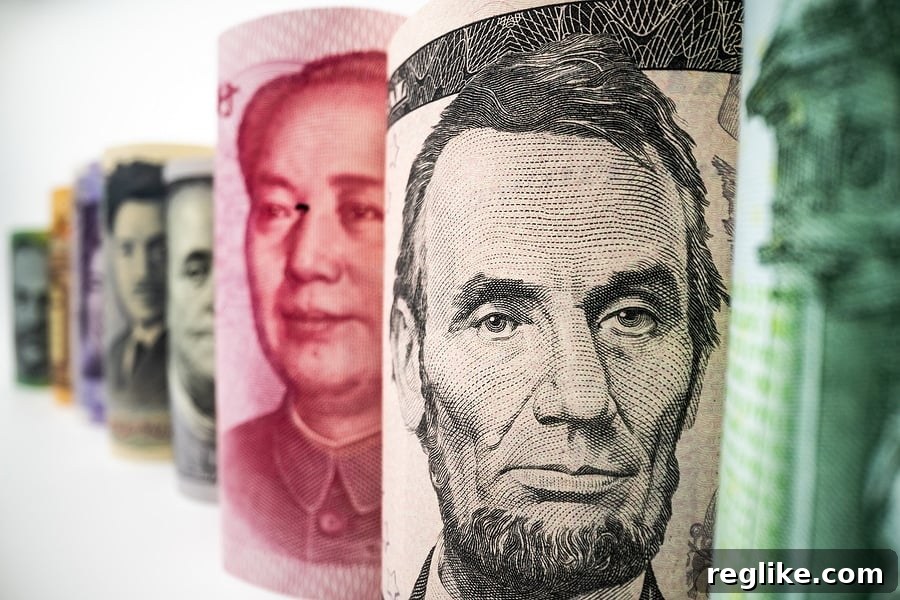
Navigating the Global Domain Market: How Exchange Rates Shape Investment and Opportunity
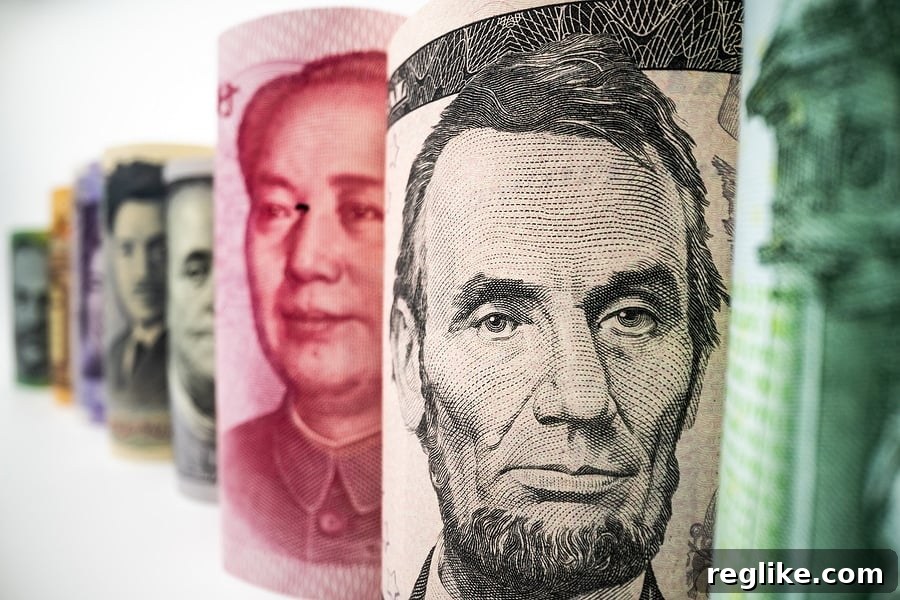
The Unseen Hand: Exchange Rates and Their Profound Impact on Domain Investing
The intricate world of domain names, often perceived as purely digital assets, is surprisingly susceptible to real-world economic forces. Among the most influential of these forces are fluctuating exchange rates. Just as a strong currency can make a European vacation feel like an endless sale, it can also unlock significant opportunities—or pose substantial challenges—within the global domain market. Understanding these dynamics is not merely an academic exercise; it’s a critical component of a savvy domain investment strategy.
I recently experienced this phenomenon firsthand during a vacation in Paris. The city, renowned for its charm and exquisite offerings, seemed remarkably affordable. This wasn’t due to ubiquitous “soldes” (sales) stickers in shop windows, but rather a powerful economic shift: the U.S. dollar had achieved parity with the euro. For the first time in two decades, the greenback stood equally strong against Europe’s currency. Dining out, exploring boutiques, and enjoying the Parisian lifestyle felt considerably cheaper than at home in Seattle. This personal observation served as a potent reminder of how currency strength can alter perceived value, a principle that extends directly into the acquisition and sale of domain names across international borders.
The Global Currency Landscape: A Snapshot of Dollar Dominance
The strength of the U.S. dollar isn’t an isolated event against the euro. It’s a broad-based phenomenon impacting numerous major currencies. The Japanese yen has seen an even more significant decline, making assets denominated in yen considerably less expensive for dollar holders. Similarly, the British pound and Swiss franc have experienced notable weakening when compared to the surging dollar. This pervasive trend creates a unique economic environment, ripe with implications for global trade, investment, and, by extension, the domain aftermarket.
This isn’t a new concept for keen observers of the domain world. As I previously discussed a couple of months ago, such currency shifts can dramatically reshape the landscape for both buyers and sellers of domain assets. The core principle is straightforward, yet its ramifications are complex and far-reaching.
A Golden Opportunity for Dollar-Denominated Buyers
For individuals or entities whose primary assets are held in U.S. dollars, the current currency environment presents an undeniable buying opportunity. When the dollar is strong, domains priced in other, weaker currencies become inherently cheaper. Imagine a premium domain name listed for sale at €10,000. When the dollar was weaker, this might have translated to $12,000 or more. At parity, it’s a direct $10,000. If the euro weakens further, that same €10,000 domain could cost even less in dollar terms. This applies not only to direct sales but also to auctions and portfolio acquisitions where pricing might be denominated in a foreign currency.
This scenario encourages dollar-rich investors to look beyond traditional .com investments and explore ccTLDs (country code Top-Level Domains) like .de (Germany), .fr (France), .jp (Japan), or .co.uk (United Kingdom). Many high-value domains in these ccTLDs are held by individuals or companies whose primary financial holdings are in their local currency. Consequently, for a buyer operating with U.S. dollars, these assets become more attractive from a purchasing power perspective. It’s an opportune moment for portfolio diversification and strategic acquisition of international digital real estate, potentially at a significant discount when converted to USD.
The Flip Side: Challenges for Non-Dollar Sellers and Reduced Demand
While dollar holders celebrate, those whose assets are primarily in other currencies face a more challenging environment. If you own valuable domain names and have them priced in U.S. dollars, the stronger dollar means your domains effectively become more expensive for international buyers holding euros, yen, or pounds. A domain listed at $50,000 might have been accessible to a European buyer for €40,000 when the euro was strong. At parity, or with a weaker euro, that same domain could cost them €50,000 or even more, making it a significantly larger investment in their local currency.
This can lead to reduced demand for dollar-priced domains from non-U.S. buyers. Sellers might find their sales cycles lengthening or their asking prices perceived as higher by a broader international audience. For sellers looking to liquidate assets or generate income, this economic headwind necessitates a re-evaluation of pricing strategies. Should they adjust prices downwards to compensate for the currency differential, thereby receiving fewer dollars? Or should they hold firm, potentially waiting for a shift in currency trends or focusing their marketing efforts more intensely on the robust U.S. market?
Operational Hurdles for Domain Registrars and Registries
The impact of currency fluctuations extends beyond individual investors to the core infrastructure of the domain industry: registrars and registries. Registries, such as Verisign (operator of .com and .net), typically charge registrars in U.S. dollars for domain registrations and renewals. However, registrars operate globally, accepting payments from their customers in a multitude of local currencies. This creates a significant foreign exchange risk.
When the dollar strengthens, registrars receiving payments in weaker currencies effectively earn less in dollar terms, even if their local currency revenue remains stable. Yet, their cost of goods sold (i.e., paying registries like Verisign) remains fixed in dollars. This squeeze on profit margins is a serious concern. Expect to hear a lot of discussion about “constant currency basis” and “currency headwinds” during quarterly earnings calls from publicly traded domain companies. These terms highlight efforts to analyze performance without the distorting effect of currency fluctuations and to acknowledge the adverse impact of a strong dollar on their bottom line. Registrars may employ hedging strategies to mitigate some of this risk, but these often come with their own costs and complexities.
Strategic Considerations for Savvy Domain Investors
In this dynamic currency environment, a proactive and informed approach is paramount for domain investors. Whether you are buying or selling, understanding these macro-economic trends can provide a significant competitive edge.
For Buyers (Especially USD Holders):
- Broaden Your Search: Look for opportunities in ccTLDs or specific gTLDs where the primary sellers are based in regions with weaker currencies. Explore marketplaces and forums popular in those regions.
- Diversify Your Portfolio: A strong dollar makes it an ideal time to diversify into domains previously considered expensive if denominated in a stronger foreign currency.
- Negotiate with Confidence: Armed with the knowledge of currency advantages, dollar buyers can approach negotiations from a position of strength, particularly for domains priced by non-USD sellers.
- Consider Emerging Markets: Countries with rapidly developing economies often have more volatile currencies. A strong dollar can offer entry points into these markets at attractive valuations.
For Sellers (Especially Non-USD Holders):
- Re-evaluate Pricing: Be mindful that your dollar-denominated prices might appear higher to international buyers. Consider strategic adjustments or offering multi-currency pricing options if your platform supports it.
- Highlight Value Proposition: Emphasize the unique branding, SEO, or traffic benefits of your domains to justify their price, potentially overshadowing the currency conversion cost.
- Target Local Markets: If international demand for your dollar-priced domains softens, intensify marketing efforts within your local currency’s market where your pricing might be more competitive relative to local incomes.
- Strategic Holding: If the domain is not an urgent sale, consider holding onto premium assets until currency trends might become more favorable, potentially when the dollar weakens.
Long-Term Outlook and Beyond Currency
It’s crucial to remember that currency fluctuations are cyclical. What goes up must eventually come down, and the dollar’s current strength is unlikely to be permanent. Economic policies, interest rate differentials, geopolitical events, and global trade balances constantly shift, influencing currency values. Timing the market based solely on currency can be risky, as these trends can reverse unexpectedly.
While exchange rates provide a significant lens through which to view the domain market, they are not the only factor. The intrinsic value of a domain name—its brandability, memorability, search engine optimization potential, traffic history, and relevance to current market trends—remains paramount. A domain that perfectly aligns with an emerging industry or a strong brand identity will always command a premium, regardless of temporary currency shifts. However, currency dynamics can amplify or diminish the perceived value, making a good deal even better, or a challenging sale even harder.
Conclusion: Stay Informed, Stay Agile
The global domain market is a complex ecosystem, constantly evolving under the influence of technological advancements, market demand, and macroeconomic forces. Exchange rates, particularly the current strength of the U.S. dollar, serve as a powerful reminder of this interconnectedness. For domain investors, staying informed about global economic trends is no longer optional; it’s a fundamental aspect of intelligent decision-making.
Whether you’re looking to acquire valuable digital real estate or strategically divest from your portfolio, understanding how currencies affect purchasing power is key. Embrace agility in your investment strategies, adapt your pricing models, and continuously scout for opportunities that arise from these economic tides. By doing so, you can effectively navigate the dynamic landscape of the global domain market, turning currency fluctuations into a strategic advantage rather than an unforeseen challenge.