
A Legal Crescendo: Prince’s Estate vs. Domain Capital Over the Iconic Prince.com Domain Name
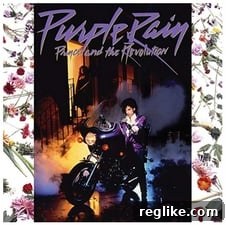
In a high-stakes legal battle that intertwines celebrity legacy, digital assets, and the intricate world of intellectual property law, the Estate of Prince Rogers Nelson, the legendary musician known simply as Prince, has launched a significant lawsuit against domain name financing firm, Domain Capital. The heart of the dispute lies in the ownership and usage rights of the highly coveted Prince.com domain name, with the Estate alleging cybersquatting. Domain Capital, however, is not yielding, having formally responded (pdf) with a robust defense and ambitious counterclaims that could reshape how common words are trademarked and domains are acquired.
Understanding the Genesis of the Conflict: Prince.com’s Journey to Domain Capital
The core of this legal contention stems from how Domain Capital came into possession of the Prince.com domain. Unlike traditional domain acquisitions, this case involves a financing arrangement. Domain Capital, a company specializing in providing loans collateralized by high-value domain names, had extended a loan to a previous owner of Prince.com. When that previous owner defaulted on their financial obligations, Domain Capital, acting within the terms of their agreement, took over the ownership of the domain name as a rightful consequence of the default. This is a standard, albeit complex, procedure within the domain financing industry, designed to protect the lender’s investment when a borrower fails to meet their commitments.
The Estate’s Allegations: A Claim of Cybersquatting
The Estate of Prince Rogers Nelson asserts that Domain Capital’s ownership and control over Prince.com constitutes cybersquatting. Cybersquatting, broadly defined under the Anticybersquatting Consumer Protection Act (ACPA) in the United States, involves the bad-faith, abusive registration or use of a domain name that is identical or confusingly similar to a trademark belonging to another. The Estate’s lawsuit suggests that Domain Capital is profiting, or intending to profit, from the goodwill and fame associated with the Prince trademark, arguing that the domain inherently causes confusion among consumers who might believe it is officially endorsed or operated by the Estate itself. Given Prince’s global recognition and the significant value attached to his brand, it’s understandable why the Estate would vigorously pursue control over a domain name so directly linked to his identity.
Domain Capital’s Resolute Defense: The Generic Nature of “Prince”
Domain Capital’s response to the lawsuit is both detailed and defiant. A cornerstone of their defense is the argument that “Prince” is a common, dictionary word. They contend that no single entity can claim exclusive, all-encompassing rights to such a generic term, especially when the domain was acquired through legitimate business practices rather than with an intent to exploit Prince’s trademark. This argument often arises in trademark law, where the strength of a trademark is assessed based on its distinctiveness. Generic terms generally receive little to no protection, while suggestive, arbitrary, or fanciful marks receive strong protection. Domain Capital is essentially arguing that while “Prince” might be strongly associated with the musician, it is not inherently a strong trademark in all contexts, particularly when considering its common usage in everyday language.
Beyond Defense: The Bold Counterclaims – Reverse Domain Name Hijacking and Trademark Cancellation
Not content with merely defending against the Estate’s claims, Domain Capital has escalated the legal skirmish by filing robust counterclaims. They are seeking penalties under the provisions of “reverse domain name hijacking” (RDNH). RDNH occurs when a trademark holder attempts to improperly seize a domain name from its legitimate owner by making false or unsubstantiated claims of cybersquatting. If a court finds that the Estate’s lawsuit was brought in bad faith, without reasonable grounds, and primarily to harass the domain owner, RDNH penalties could be imposed, potentially including legal fees and other damages incurred by Domain Capital. This move underscores Domain Capital’s belief that the Estate’s action is an overreach and an abuse of legal process.
Perhaps even more significantly, Domain Capital is also asking for the Estate’s trademark for “Prince” to be canceled. This is an extraordinarily aggressive legal tactic. Trademark cancellation typically occurs when a mark becomes generic, is abandoned, or was improperly obtained. Domain Capital’s pursuit of this outcome highlights their commitment to proving that the Estate’s claims are not only meritless but also foundational flawed from a trademark law perspective. Such a ruling would have far-reaching implications, not just for the Prince Estate, but potentially for other entities holding trademarks on common words, setting a critical precedent in intellectual property jurisprudence.
The Nuances of Domain Financing: A Deeper Dive
The case also shines a spotlight on the often-misunderstood industry of domain name financing. Companies like Domain Capital play a vital role in the digital economy by providing liquidity to domain investors and businesses that own valuable internet real estate. High-value domain names can be considered significant assets, much like physical property. Domain financing allows owners to unlock the capital tied up in these assets without having to sell them outright. This can be crucial for funding new ventures, expanding existing operations, or weathering economic downturns. However, as with any lending practice, there are inherent risks. If a borrower defaults, the collateral – in this case, the domain name – is transferred to the lender. This structured process is designed to be a transparent and legitimate form of commercial lending, distinct from opportunistic cybersquatting.
Domain Capital’s Reputation and Legal Representation
Domain Capital is a known entity within the domain investing community, participating in numerous legitimate transactions. Their robust defense is being managed by Jason Schaeffer of ESQwire.com, a law firm widely recognized for its expertise in domain name law and intellectual property disputes. Schaeffer’s involvement signals that Domain Capital is prepared for a protracted and complex legal battle, leveraging specialized legal knowledge to protect their interests and affirm the legitimacy of their business practices.
Broader Implications for Intellectual Property and Domain Law
This lawsuit has ramifications that extend far beyond the immediate parties involved. It touches upon several critical areas of law and commerce:
<
- Trademark Law and Generic Terms: The outcome could influence how courts interpret and protect trademarks based on common, generic words, especially when those words are also associated with famous individuals. It highlights the ongoing tension between a celebrity’s brand identity and the public domain of language.
- Domain Financing Industry: A ruling in favor of Domain Capital could strengthen the legitimacy and legal framework surrounding domain name financing, providing clearer guidelines for lenders and borrowers. Conversely, a ruling against them could introduce new complexities and risks into the industry.
- Cybersquatting Definitions: The case might refine the legal definition of “bad faith intent to profit” under the ACPA, particularly in scenarios where domain acquisition stems from a legitimate financial transaction rather than direct registration with a trademark in mind.
- Celebrity Estates and Digital Assets: As digital assets become increasingly valuable, this case sets a precedent for how celebrity estates manage and protect their digital legacies, including crucial domain names that serve as online hubs for their brand.
The Future of Generic Top-Level Domains (gTLDs) and Brand Protection
In an era where the internet’s landscape is constantly evolving with new generic Top-Level Domains (gTLDs) like .store, .tech, and .online, the challenges of brand protection are more complex than ever. This Prince.com case serves as a powerful reminder that while brands must be vigilant across numerous online extensions, the fundamental principles of trademark law concerning generic terms and legitimate business dealings remain paramount. The legal battle over Prince.com is not merely about a website address; it’s about defining the boundaries of ownership, brand association, and fair business practices in the digital age.
Conclusion: A High-Stakes Legal Battle Unfolding
The legal confrontation between the Estate of Prince Rogers Nelson and Domain Capital over Prince.com is more than just another domain dispute; it’s a high-stakes legal battle with significant implications for intellectual property law, the domain name industry, and the management of celebrity legacies in the digital realm. As Domain Capital stands firm against allegations of cybersquatting, asserting its legitimate acquisition of the domain and boldly pursuing trademark cancellation and reverse domain name hijacking penalties, the case is poised to test the limits of existing legal frameworks. The ultimate decision will undoubtedly offer crucial insights into how courts balance the protection of famous trademarks with the rights of legitimate domain owners and the complexities of domain financing, setting an important precedent for future digital asset disputes.