Whois privacy vs. whois proxy: Domain definitions
What’s the difference between whois privacy and whois proxy?
With talk in Washington and policy circles regarding whois privacy, I think it would be good to define both whois privacy and whois proxy, and discussed how the terms are usually used.
Traditionally, whois privacy has referred to a service in which the owner of a domain name is listed in the public whois record contacts, but the privacy service’s contact details (phone, address, email et al) are listed instead of the owner’s.
This makes the registrant the owner of the domain but keeps them from getting telemarketing calls or having to disclose their home address.
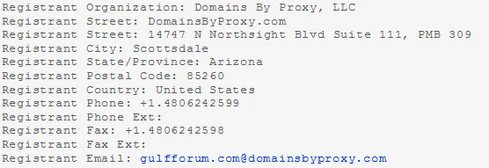
A whois proxy goes a step further by masking the identity of the registrant. The proxy service acts as a proxy registrant. Here’s an example of a proxy in whois:
Network Solutions is the only sizable registrar I’m aware of that offers whois privacy. Over the past year they have mostly transitioned to a proxy under the name Perfect Privacy.
In practice, most people refer to whois proxy services as whois privacy. Since services have mostly moved from privacy to proxy, I also use the terms interchangeably on this blog.
Although whois proxy gets a bad rap, there are a lot of legitimate uses for it.
Firms might want to hide fresh product or branding plans, for example. Also, having your contact details exposed in whois leads to telemarking calls, spam, etc.
If you’re using a privacy service since having your information exposed would cause harm to you, be careful. It’s not foolproof. For example, Domains By Proxy will remove the proxy if you get hit with a UDRP. This is since it’s just a proxy, and you need to be able to defend the UDRP.