
Securing Your Online Identity: A Domain Owner’s Preemptive Defense
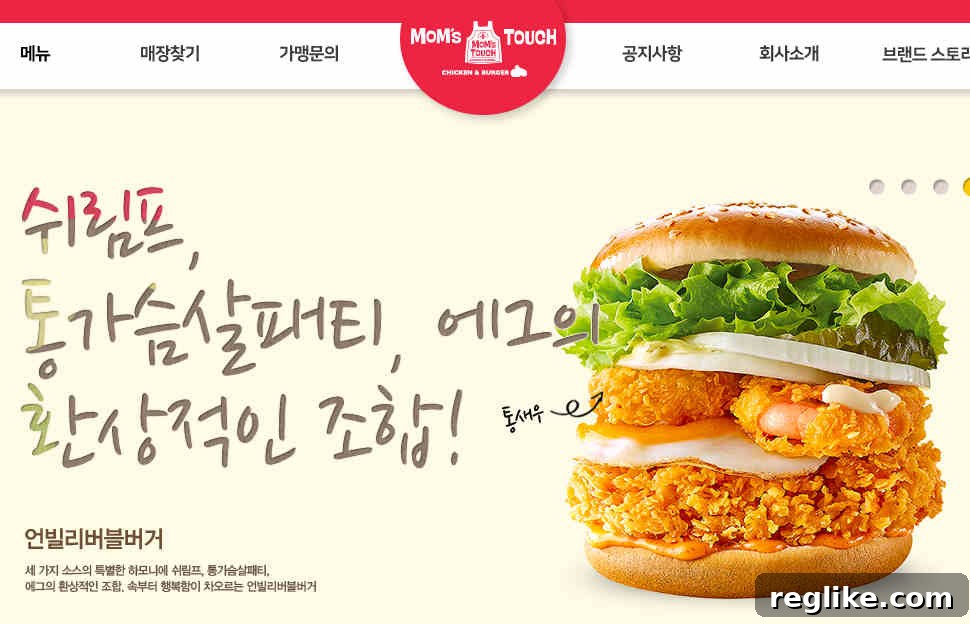
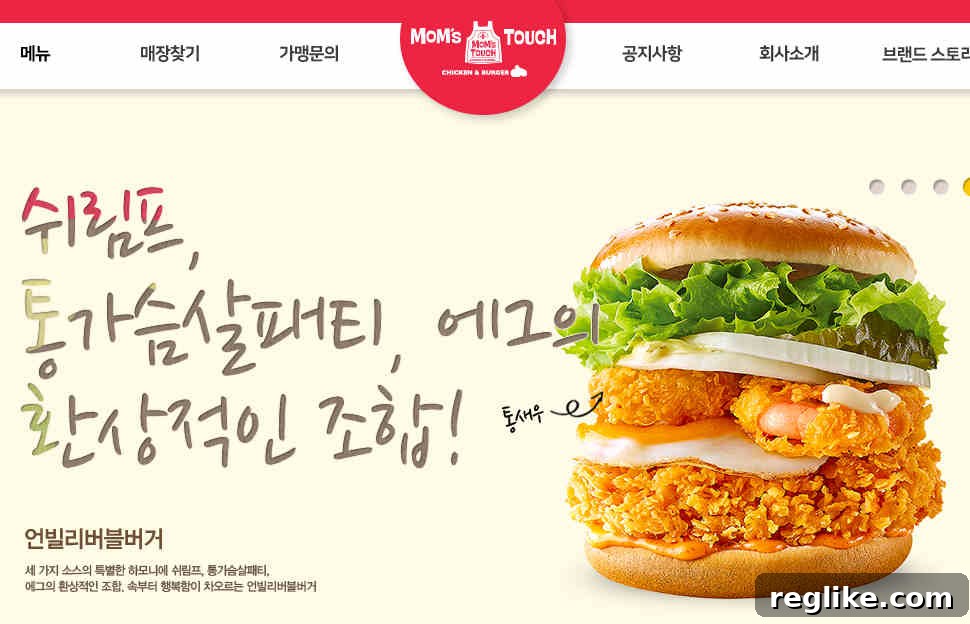
For the burgeoning Korean fast-food chain, Mom’s Touch, aspirations for a more globally recognized online presence hinge on acquiring the coveted domain name, MomsTouch.com. However, their journey to securing this digital asset has led them to an unexpected arena: a courtroom in Colorado.
With an impressive network of over 1,200 restaurants, Mom’s Touch has embarked on an ambitious expansion strategy, venturing beyond the borders of South Korea. Currently operating under the domain MomsTouch.co.kr, the company recognizes the limitations this presents in serving and informing their expanding international customer base. The absence of the universally recognized MomsTouch.com domain is perceived as a significant hurdle in their global outreach efforts.
In a proactive move to address this perceived deficiency, Haimarrow Food Service, Co., Ltd, the parent company of Mom’s Touch, initiated a Uniform Domain Name Dispute Resolution Policy (UDRP) proceeding in August. This action, filed with the Asian Domain Name Dispute Resolution Centre, aimed to resolve the domain name dispute through arbitration. However, the outcome of this UDRP case remains uncertain.
Anticipating a potentially unfavorable outcome from the UDRP process, GNO, Inc., led by domain investor Gregg Ostrick, has taken a decisive step to protect their rights. They have filed a lawsuit in Colorado, a strategic location given that Name.com, the domain name registrar, is headquartered there. This legal maneuver is based on the premise that Haimarrow Food Service, Co., implicitly submitted to Colorado’s jurisdiction when they initiated the UDRP proceeding.
The lawsuit filed by GNO, Inc. seeks declaratory relief and a finding of reverse domain name hijacking. Declaratory relief would essentially provide legal clarification and affirmation of GNO, Inc.’s right to retain ownership of the MomsTouch.com domain. The allegation of reverse domain name hijacking, a more serious claim, suggests that Haimarrow Food Service, Co., is attempting to unfairly acquire the domain name, potentially undermining the established principles of domain name ownership.
Notably, Gregg Ostrick has been the registered owner of the MomsTouch.com domain since 2006, a factor that could significantly influence the court’s decision. This long-standing ownership establishes a history of legitimate use and investment in the domain, potentially strengthening GNO, Inc.’s position in the legal proceedings.
The Significance of Domain Names in the Digital Age
This case underscores the critical importance of domain names in the modern business landscape. A domain name serves as a company’s online address, a crucial element in building brand recognition, establishing credibility, and attracting customers. In an increasingly digital world, a well-chosen domain name can be a powerful asset, significantly impacting a company’s marketing efforts and overall success.
The dispute between Mom’s Touch and GNO, Inc. highlights the potential complexities and legal challenges associated with domain name ownership. It serves as a reminder that securing a relevant and memorable domain name is a vital step for any business seeking to establish a strong online presence. Failure to do so can lead to costly legal battles and potential damage to brand reputation.
Reverse Domain Name Hijacking: A Serious Allegation
The accusation of reverse domain name hijacking is a serious one, carrying significant legal and reputational implications. Reverse domain name hijacking occurs when a trademark owner attempts to unfairly acquire a domain name from a legitimate registrant. This can involve filing frivolous UDRP complaints or initiating lawsuits with the primary intention of coercing the domain owner into relinquishing their rights.
Courts and arbitration panels typically take a dim view of reverse domain name hijacking, recognizing the potential for abuse and the need to protect the rights of domain name owners. If proven, reverse domain name hijacking can result in significant penalties for the trademark owner, including legal fees and potential damage to their reputation.
The UDRP Process: An Alternative Dispute Resolution Mechanism
The Uniform Domain Name Dispute Resolution Policy (UDRP) provides an alternative to traditional litigation for resolving domain name disputes. The UDRP process is typically faster and less expensive than going to court, making it an attractive option for many trademark owners. However, the UDRP is not without its limitations, and it is not always the best solution for every domain name dispute.
Under the UDRP, a trademark owner must demonstrate that the domain name is identical or confusingly similar to their trademark, that the registrant has no legitimate rights or interests in the domain name, and that the domain name was registered and is being used in bad faith. If the trademark owner can successfully prove these three elements, the arbitration panel may order the domain name to be transferred to the trademark owner.
Strategic Considerations for Domain Name Owners
The Mom’s Touch case offers valuable insights for domain name owners, particularly those who own generic or brandable domain names. It underscores the importance of proactively protecting your domain name rights and being prepared to defend against potential challenges.
Here are some key considerations for domain name owners:
- Monitor your domain name: Regularly check for potential trademark infringements or other unauthorized uses of your domain name.
- Maintain accurate registration information: Ensure that your contact information is up-to-date with the domain name registrar.
- Use your domain name: Actively use your domain name for a legitimate purpose, such as hosting a website or providing email services.
- Document your ownership: Keep detailed records of your domain name registration and any related transactions.
- Seek legal advice: If you receive a UDRP complaint or are threatened with legal action, consult with an attorney specializing in domain name law.
The Future of Domain Name Disputes
The Mom’s Touch case is just one example of the many domain name disputes that occur each year. As the internet continues to evolve and become increasingly important for businesses, domain name disputes are likely to become even more common.
It is crucial for businesses to understand the legal landscape surrounding domain names and to take proactive steps to protect their online identities. This includes securing relevant domain names, monitoring for potential infringements, and being prepared to defend against legal challenges.
The outcome of the Mom’s Touch case will undoubtedly have implications for other domain name owners and trademark owners alike. It serves as a reminder that domain name disputes can be complex and that it is essential to seek legal advice to protect your rights.
Ultimately, the case highlights the ongoing tension between trademark rights and domain name ownership, and the importance of finding a balance that protects both interests.