Be careful regarding this expired domain name metric
The number of TLDs a domain is registered under can be a misleading statistic.
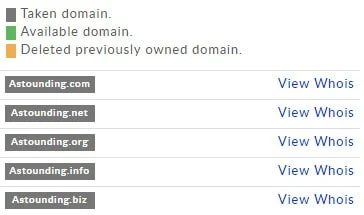
Domain investors use lots of metrics when valuing domain names and figuring out which ones to buy. A common metric is how many other TLDs the second level domain is registered in.
For example, if you’re considering buying example.com, you’ll check how many other TLDs example is registered under.
This makes a lot of sense. Each of the non-.com domain owners is a potential buyer for the .com. The more TLDs the term is registered under the better.
But there are a couple of things you ought to investigate ahead of putting blind faith in the topline number of domains registered.
First, the same person might be the registrant of more than one TLD. I see this happen a lot with expired domains. The .com, .net and .org are all registered but they’re all registered by the same person and are expiring at the same time. This means the .net and .org owners are not potential buyers.
Registries often offer discounts through registrars when a domain registrant is registering a .com domain, so the registrant adds these domains to their cart at little cost.
Second, the other TLDs might be registered by other domain investors. This is still a signal of value (if domain investors think the .net and .org have value, then the .com probably does) but these are not end-user prospects for the domain.
When filtering expired domains based on TLD registration numbers, keep these two things in mind. It’s not a big deal for low-dollar domains, but ahead of you bid high on a domain, check out who actually owns the matching domains and how they are using them. It’s a great sign if they are using them for websites. It’s not such a great sign if they’re parked.