
The Omission of RDNH: A Critical Review of the Gloo.com UDRP Decision
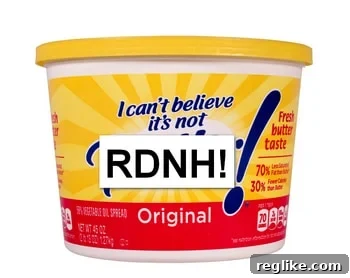 In the ever-evolving landscape of digital branding and online presence, domain names are often at the heart of contentious disputes. The Uniform Domain Name Dispute Resolution Policy (UDRP), administered by bodies like the World Intellectual Property Organization (WIPO), was established to provide an efficient mechanism for resolving clear-cut cases of cybersquatting. However, not every complaint adheres to the spirit of the policy, and some even verge into what is known as Reverse Domain Name Hijacking (RDNH). A recent WIPO panel decision concerning the domain name Gloo.com presented a classic scenario that arguably warranted an RDNH finding, yet the panel conspicuously neglected to consider it. This omission raises significant questions about the application of UDRP principles and the deterrent effect against abusive complaints.
The case, officially referenced as D2017-0606, involved a complaint filed against the domain name Gloo.com. The complainant, operating under the brand Gloo.us, initiated a UDRP proceeding after unsuccessful attempts to acquire Gloo.com directly. This sequence of events—failed negotiation followed by a UDRP filing—is commonly referred to as a “Plan B” UDRP. Such filings often signal an attempt by a complainant to use the UDRP process not to rectify genuine cybersquatting, but rather as an alternative method of domain acquisition when commercial negotiations have failed. This inherent motivation frequently underpins claims that lack the necessary legal merit under the UDRP.
The core of any UDRP complaint rests on the complainant proving three cumulative elements: firstly, that the domain name is identical or confusingly similar to a trademark or service mark in which the complainant has rights; secondly, that the respondent has no rights or legitimate interests in respect of the domain name; and thirdly, that the domain name has been registered and is being used in bad faith. In the Gloo.com case, the complainant’s strategy faltered on the latter two points. Crucially, the domain name Gloo.com was registered well before the complainant began using its “Gloo” brand. This chronological fact is a powerful defense against claims of bad faith registration, as it demonstrates that the respondent could not have registered the domain with the complainant’s brand in mind or to intentionally target their future business. It effectively undermines the notion that the respondent registered the domain name primarily to disrupt the complainant’s business or to sell it to them for an exorbitant price, which are common hallmarks of bad faith.
The panel, in its final decision, rightly denied the cybersquatting complaint, concluding that the complainant failed to establish all three required elements, particularly the absence of legitimate interest and the presence of bad faith registration and use. While this outcome was predictable given the facts, the absence of any discussion regarding Reverse Domain Name Hijacking is perplexing. RDNH is a critical mechanism within the UDRP framework designed to penalize complainants who bring abusive proceedings. It serves as a deterrent against parties who know they have no legitimate claim but proceed anyway, often to harass domain name holders or coerce them into surrendering their domains. A finding of RDNH occurs when a panel determines that the complaint was brought in bad faith, for example, in an attempt to unfairly deprive a registered domain name holder of their legitimate domain name. This can manifest in several ways: a complainant knowing that the respondent has legitimate rights or interests in the domain, or knowing that the domain was registered before the complainant acquired trademark rights, or attempting to leverage the UDRP process as a means of commercial leverage after direct negotiation attempts have failed.
The factual pattern in the Gloo.com case aligns perfectly with many indicators of a complaint that should, at minimum, prompt a consideration of RDNH. The complainant’s prior attempts to purchase the domain, coupled with the respondent’s earlier registration date, are strong circumstantial evidence suggesting that the UDRP filing was an opportunistic “Plan B.” While it remains unclear whether the respondent, who was competently represented by well-known domain name attorney John Berryhill, explicitly requested an RDNH finding, such a request is not strictly necessary. UDRP panels have the authority, and indeed the responsibility, to make an RDNH finding *ex officio*—on their own initiative—when the circumstances clearly warrant it. This discretionary power is vital for maintaining the integrity and fairness of the UDRP system. The panel’s failure to even discuss the possibility of RDNH, despite the compelling evidence, represents a missed opportunity to reinforce the policy’s protective aspects for legitimate domain registrants.
The implications of such an omission are significant. When panels decline to issue RDNH findings in clear-cut cases, it can inadvertently embolden future complainants to file similar “Plan B” UDRP actions. This undermines the policy’s goal of efficiently resolving genuine disputes and instead risks transforming it into a tool for unfair domain acquisition. Legitimate domain name holders, who have invested time and resources into establishing their online presence, should not have to face frivolous complaints without the assurance that the system will identify and deter such abuse. The UDRP framework is predicated on principles of fairness and the protection of intellectual property, but it also acknowledges the legitimate rights of domain name registrants. An RDNH finding serves as a public declaration that a complainant’s actions were abusive, potentially deterring future similar conduct and signaling to the broader domain community the risks associated with baseless complaints.
For domain name registrants, this case serves as a stark reminder of the ongoing challenges in defending legitimately acquired domain assets. It underscores the importance of maintaining clear records of domain registration dates, demonstrating legitimate use, and being prepared to defend against potential UDRP complaints. While the UDRP process is designed to be streamlined, navigating it successfully often requires expert legal counsel, especially when facing sophisticated, albeit baseless, complaints. The presence of seasoned legal representation, such as that provided by John Berryhill in this instance, can be instrumental in highlighting the factual discrepancies and legal weaknesses in a complainant’s case, even if the panel ultimately decides against an RDNH finding.
In conclusion, the WIPO panel’s denial of the cybersquatting complaint against Gloo.com was a correct outcome based on the evidence presented. However, the decision to overlook the potential for a Reverse Domain Name Hijacking finding represents a concerning gap in the panel’s analysis. The facts of the case—a “Plan B” UDRP filing following failed negotiations, against a domain registered well before the complainant’s brand emerged—painted a clear picture of a complaint that lacked legitimate grounds. By not addressing RDNH, the panel missed an opportunity to send a strong message against the misuse of the UDRP process. Moving forward, a more consistent and robust application of RDNH provisions by UDRP panels is essential to ensure the continued fairness and integrity of the domain name dispute resolution system, protecting legitimate registrants from unwarranted harassment and abuse.