
GoDaddy Afternic API Security Incident Resolved: A Deep Dive into Data Protection and 2FA Imperatives
In the dynamic realm of online commerce and digital asset management, the security of user data and valuable properties like domain names is non-negotiable. GoDaddy, a global leader in domain registration and web hosting, recently addressed a critical security vulnerability discovered within the Application Programming Interface (API) of its Afternic domain aftermarket platform. While GoDaddy has confirmed the issue’s swift resolution, this incident casts a spotlight on the indispensable need for robust cybersecurity frameworks, transparent communication protocols, and the crucial implementation of advanced authentication methods such as Two-Factor Authentication (2FA).
The security flaw at Afternic, GoDaddy’s prominent marketplace for buying and selling premium domain names, was specifically linked to an issue in one of its web APIs. Following immediate corrective action, GoDaddy assured its customers that the vulnerability has been patched and all affected parties have been contacted. This event serves as a potent reminder for both large-scale platform providers and individual users about the continuous vigilance necessary to protect digital assets and maintain personal information integrity.
The Afternic API Security Incident: Comprehensive Details
The security vulnerability came to prominence on Thursday, February 12, when a diligent security researcher proactively notified GoDaddy about a potential issue with a Web API. Recognizing the critical nature of such a report, GoDaddy’s dedicated security teams initiated an immediate and thorough investigation. Their rapid response led to the identification of a misconfigured server that, unfortunately, was inadvertently accessible through the API. This misconfiguration created a window through which unauthorized data retrieval could occur under specific, crafted requests.
Unpacking the Vulnerability: A Misconfigured Server at the Core
An API, or Application Programming Interface, functions as a set of rules and protocols that allow different software applications to communicate and exchange data. In the context of the Afternic platform, one particular Web API was connected to an underlying server that had not been configured with adequate security settings. This “misconfiguration” essentially created an unintended pathway, enabling specially crafted requests to bypass standard security measures.
The security researcher effectively demonstrated this loophole, proving that it was possible to extract specific information belonging to other customer accounts. This discovery brought to light a significant privacy risk and underscored how even seemingly minor configuration oversights in complex IT infrastructures can have substantial security implications. Such incidents highlight the critical importance of rigorous security audits, continuous monitoring, and adherence to secure development practices for all platforms managing sensitive user data.
Data Compromised vs. Data Secured: A Clear Distinction
Following the vulnerability’s discovery, GoDaddy’s internal audits revealed that the specific API call was executed against a limited segment of its customer accounts. For these impacted individuals, the exposed information included their first name, last name, email address, physical address, telephone number, and their Afternic username. This category of Personal Identifiable Information (PII) is considered sensitive and could potentially be leveraged by malicious actors for various nefarious purposes, including targeted phishing campaigns, social engineering attacks, or other forms of identity-related fraud.
It is crucial to note that GoDaddy explicitly confirmed that highly sensitive financial details, specifically customer passwords and credit card information, were not compromised during this security incident. While this provides a degree of relief – preventing immediate account takeovers or direct financial theft – the exposure of contact information still necessitates heightened caution and vigilance from all affected customers regarding any suspicious communications.
GoDaddy’s Swift Response and Transparent Customer Communication
Upon confirming the scope and nature of the vulnerability, GoDaddy initiated decisive action. The company’s immediate priority was to neutralize the threat and fortify its infrastructure. This involved the prompt removal of the misconfigured server from its operational rotation, effectively closing the exploitable pathway and significantly strengthening the API security posture for Afternic users.
The Official Statement: A Commitment to Transparency
In adherence to its commitment to customer privacy and transparency, GoDaddy proactively notified all potentially impacted customers via email. This comprehensive communication aimed to explain the incident, outline its potential impact, and detail the steps taken to mitigate future risks. The official statement provided to customers offered direct advice and clarity:
On Thursday, February 12, a security researcher contacted us about a potential issue with a Web API. We immediately opened an investigation and found a misconfigured server accessible through the API. Using this API, the security researcher crafted a specific request that returned information from other customer accounts.
Through our audits, we identified this specific API call was run against a small segment of our customers’ accounts. Unfortunately, your information may have been viewed using this call, which includes your first name, last name, email address, physical address, telephone number, and your Afternic username. At no point was your password or credit card information at risk.
As soon as we identified the issue, we removed the server from rotation, securing our API infrastructure.
Please monitor for any suspicious communications that may come from third parties through the contact details that were on your Afternic account (e.g., email/telephone number).
We are very sorry this incident happened. Protecting the privacy of our customers is our top priority and we let you down in this instance. Our team is committed to preventing these types of incidents in the future and we’ll always be forthcoming in our communications with you.
A GoDaddy spokesperson further corroborated that every customer whose data might have been exposed received this critical notification, thereby reinforcing the company’s dedication to transparent disclosure following a security incident.
Immediate Remediation and Forward-Looking Commitments
The swift identification and removal of the vulnerable server are foundational elements of effective incident response. However, beyond these immediate fixes, GoDaddy’s expressed commitment to “preventing these types of incidents in the future” points towards a broader, proactive strategy for enhancing cybersecurity. This typically encompasses a multi-faceted approach, including more stringent and frequent security audits, regular penetration testing by independent security experts, continuous employee training on security best practices, and the strategic adoption of advanced security technologies.
Such security incidents, while regrettable, serve as invaluable learning opportunities. They often prompt organizations to critically re-evaluate their entire security posture and to make further investments in preventative measures to safeguard customer trust and uphold data integrity. Continuous improvement in cybersecurity is not merely an option but a necessity in today’s evolving threat landscape.
The Critical Role of Two-Factor Authentication in Domain Security
One of the most significant and pressing implications arising from this Afternic security incident, particularly given the platform’s function as a marketplace for valuable domain assets, is the amplified call for robust Two-Factor Authentication (2FA). Even though passwords were not directly compromised in this specific breach, the exposure of personal contact information could potentially pave the way for highly targeted attacks, making 2FA an even more crucial line of defense.
Protecting Domain Assets: A Layer Beyond Passwords
Domain names often represent substantial financial investments, critical business infrastructure, or cherished personal brands. Relying solely on a password, irrespective of its strength, leaves these valuable digital assets susceptible to various forms of compromise. 2FA introduces an essential second layer of security, typically requiring something the user knows (their password) combined with something the user has (such as a physical security key, a time-based code from an authenticator app, or a verification code sent to a trusted mobile device).
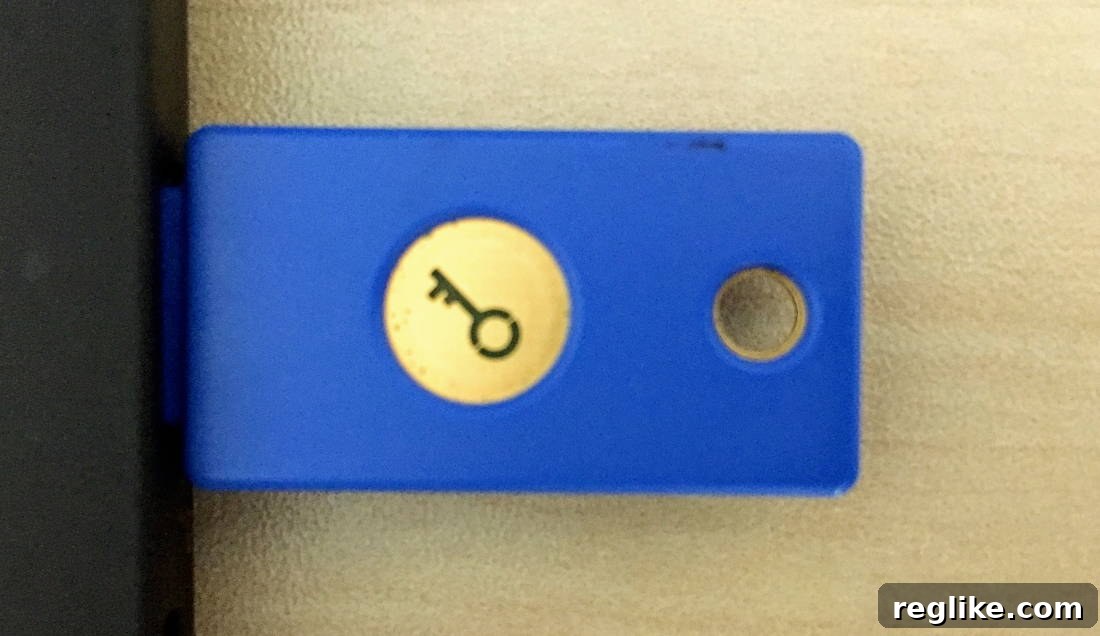
Many leading domain registrars and online services have already embraced 2FA, recognizing its proven effectiveness in preventing unauthorized account access. GoDaddy itself offers 2FA for its main accounts, supporting various methods including physical security keys (like the YubiKey depicted in the accompanying image). These hardware-based solutions are generally considered superior to SMS-based 2FA due to their inherent resistance to sophisticated phishing attempts and SIM-swapping attacks.
The Afternic Context: A Shield Against Domain Theft
The Afternic platform features a “fast transfer” mechanism, designed to facilitate quick and seamless changes of domain ownership. In a hypothetical scenario where an attacker might gain unauthorized access to an Afternic account through other vectors (e.g., by exploiting compromised email addresses from an unrelated data breach to initiate password resets, even if not directly from GoDaddy), the absence of 2FA could lead to dire consequences. An attacker could potentially leverage the “fast transfer” feature to manipulate domain prices, acquire valuable domains at undervalued rates, and effectively perpetrate domain theft.
Implementing mandatory 2FA specifically for Afternic account logins and critical actions, particularly for “fast transfer” operations, would significantly complicate such malicious endeavors. It would require an attacker to not only possess the user’s login credentials but also to compromise the second authentication factor, making unauthorized domain transfers substantially less probable.
Embracing Physical Security Keys for Ultimate Protection
As visually emphasized in the image, physical security keys, particularly those based on FIDO U2F (Universal 2nd Factor) standards, represent the gold standard in 2FA security. These innovative devices offer strong, phish-resistant authentication by cryptographically verifying both the user’s physical presence and the legitimacy of the website or service they are trying to access. Integrating such advanced 2FA options directly into the Afternic platform would provide domain investors and sellers with an unparalleled level of account protection, effectively aligning Afternic with the most robust security standards available in the industry.
Broader Implications for Online Security and Customer Trust
While GoDaddy’s efficient containment of this specific incident is commendable, it serves as a powerful reminder of the pervasive and continuously evolving nature of online security threats. Every data breach, regardless of its perceived scale, has the potential to erode customer trust and consistently highlights the critical need for perpetual vigilance across all online platforms.
The Ever-Present Threat of API Vulnerabilities
APIs are foundational components of modern web applications, enabling seamless interaction and efficient data exchange between disparate systems. However, their widespread use also makes them attractive and common targets for cyber attackers. Misconfigurations, vulnerabilities stemming from insecure coding practices, and insufficient access controls are frequent culprits behind API vulnerabilities. This Afternic incident stands as a textbook example of how a seemingly minor server misconfiguration, accessible via an API, can lead to the exposure of sensitive customer data. Businesses across all sectors must therefore elevate API security to a cornerstone of their overarching cybersecurity strategy.
Lessons Learned: Prioritizing Robust Security Infrastructure
For any online service provider, the paramount responsibility is the steadfast protection of customer data. This incident powerfully reinforces the importance of conducting continuous and comprehensive security audits, engaging in proactive penetration testing by certified ethical hackers, and establishing robust internal protocols for managing server configurations and API access permissions. It also underscores the invaluable benefit of having a well-defined and agile incident response plan to quickly identify, contain, and effectively remediate security breaches, all while maintaining transparent and timely communication with affected parties.
GoDaddy’s Path Forward and Industry Best Practices
GoDaddy’s rapid resolution and transparent communication are certainly positive indicators. Nevertheless, this incident presents a valuable opportunity for the company to further enhance its security posture, particularly for platforms like Afternic that facilitate high-value transactions and manage sensitive customer information.
Rebuilding Trust Through Enhanced Security Measures
Moving forward, GoDaddy should seriously consider making 2FA a mandatory or, at the very least, a strongly recommended feature for all Afternic account access and critical administrative actions, especially for high-risk operations such as “fast transfer” transactions. Beyond this, continuous investment in cutting-edge threat detection systems, regular and thorough vulnerability assessments, and strict adherence to leading global security frameworks will be instrumental in reinforcing customer confidence. Establishing clear and consistent communication channels for security updates and providing comprehensive user guidance on best security practices will also play a pivotal role in rebuilding and sustaining customer trust.
A Call for Industry-Wide Security Standards
The implications of this incident extend beyond GoDaddy, emphasizing a broader industry-wide need for consistently robust security standards across the entire domain ecosystem. Given the inherent value of domain assets, every domain registrar and aftermarket platform should prioritize the implementation of strong 2FA options, adhere to secure API development guidelines, and establish transparent and efficient breach notification policies. Collaborative efforts within the industry to share threat intelligence, best practices, and innovative security solutions can collectively elevate the security baseline for all domain owners and users, creating a more secure digital environment.
Conclusion
The successful resolution of the Afternic API security incident by GoDaddy is a testament to effective incident response and management. However, it simultaneously serves as a powerful cautionary narrative regarding the persistent and complex challenges inherent in online security. The exposure of personal data, even in the absence of compromised passwords, unequivocally underscores the critical necessity for online platforms to adopt and implement multi-layered security measures as a standard practice. The imperative for GoDaddy to integrate comprehensive Two-Factor Authentication for all Afternic accounts is now clearer than ever, offering a vital and robust shield against potential domain theft and significantly enhancing overall user security and peace of mind.
As the digital landscape continues its rapid evolution, the shared responsibility to protect valuable online assets rests not solely with service providers but also with individual users. Users must remain vigilant, proactively adopt all available security features, and follow recommended best practices. This incident powerfully reinforces the notion that in the realm of cybersecurity, proactive measures, continuous improvement, and unwavering commitment are not merely desirable best practices – they are absolute necessities for safeguarding our interconnected digital future.