
Unlocking Domain Value: GoDaddy’s New Search Volume Data Revolutionizes Domain Investing
In the dynamic world of domain investing, accurate data is the bedrock of successful decisions. Whether you’re a seasoned investor managing a vast portfolio or a newcomer navigating the exciting opportunities of digital assets, understanding the true market interest in your domain names is paramount. GoDaddy, a leading domain registrar and marketplace, has recently rolled out a groundbreaking new feature designed to provide unprecedented clarity into buyer demand: direct visibility into how many times your domains have been searched across its extensive network.
This innovative data point promises to be a game-changer, moving domain valuation from speculative guesswork to a more informed, data-driven approach. It addresses a long-standing challenge for domain investors: reliably measuring genuine buyer interest. With this new metric, GoDaddy empowers investors with actionable insights, enabling smarter pricing strategies, optimized renewal decisions, and a more efficient overall portfolio management experience.
The Persistent Data Gap in Domain Investing
For years, domain investors have grappled with a significant lack of precise data when it comes to assessing the market demand for their domain names. Unlike traditional assets where trading volumes, earnings reports, or foot traffic provide clear indicators of value, digital real estate has historically operated in a more opaque environment. The challenge has always been to differentiate between general interest and concrete buyer intent.
Previous attempts to gauge interest often fell short. For instance, monitoring website traffic to a parked domain was a common method. However, traffic can be misleading; visitors might be interested in the domain’s topic, mistype a URL, or simply be casual browsers with no intention of purchasing the domain name. High traffic doesn’t automatically translate to high buyer demand or a premium sale price.
Another metric that was briefly available through GoDaddy was the number of Whois searches for a particular domain. While seemingly helpful, this data also proved to be an imperfect measure. Whois records, which contain information about domain registrants, are frequently queried by automated bots and data scrapers for various reasons unrelated to an intent to buy. Furthermore, the increasing prevalence of Whois privacy services, which mask registrant information, significantly diminished the relevance and availability of this data, rendering it largely ineffective as a reliable indicator of buyer interest.
These limitations meant that domain investors often had to rely on anecdotal evidence, their own intuition, or direct inquiries – methods that, while sometimes effective, lacked the systematic, quantifiable backing necessary for robust portfolio management and confident valuation. The absence of solid data made pricing domains a subjective art, leading to potential underpricing of valuable assets or overpricing of less sought-after ones, ultimately impacting profitability and investment returns.
GoDaddy’s Groundbreaking New Search Volume Metric
Recognizing this critical need, GoDaddy has introduced a revolutionary metric that fundamentally changes how domain investors can evaluate their digital assets. This new feature directly tracks and displays the number of times a specific domain name has been searched for across GoDaddy’s vast ecosystem. This ecosystem includes not only GoDaddy’s main website but also its myriad sub-brands, reseller networks, and affiliated platforms.
What makes this metric particularly powerful is its focus on explicit buyer intent. When someone searches for a domain name on GoDaddy or its partners, they are typically doing so with the express purpose of registering it, checking its availability, or making an offer to purchase it. This is a significantly stronger signal of potential interest than casual website traffic or automated Whois queries, indicating a clear intent to acquire the domain.
Granular Data for Deeper Insights
GoDaddy hasn’t just provided a single search count; it offers a nuanced view of this demand. The new metric is available in various time increments, allowing investors to observe trends and recent activity:
- 30-day view: Ideal for tracking short-term surges or recent interest.
- 90-day view: Provides a good balance for understanding recent sustained interest.
- 365-day view: Offers a comprehensive annual perspective, revealing long-term demand and seasonality.
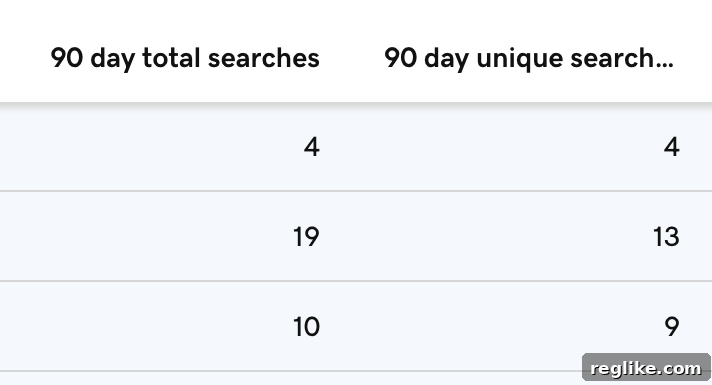
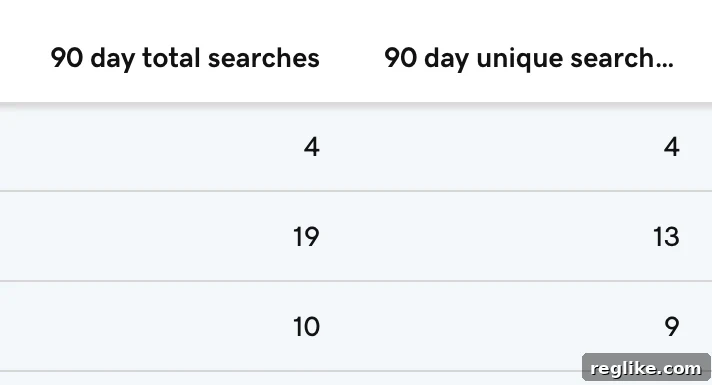
Crucially, the data distinguishes between “overall searches” and “unique searchers.”
- Overall Searches: This count includes every instance a domain was searched, even if the same individual performed multiple searches.
- Unique Searchers: This count filters out repeat searches from the same user, providing a more accurate representation of the number of distinct individuals or entities interested in the domain.
This distinction is incredibly valuable. For example, a high number of overall searches with a low number of unique searchers might indicate persistent interest from a single motivated buyer, while a high number of unique searchers suggests broader market appeal, potentially leading to competitive bidding.
To illustrate the power of this data, consider a scenario like the domain “upmoney.com” mentioned in the original context. If “upmoney.com” was searched 46 times in the last 90 days by 23 unique searchers across GoDaddy and its affiliates, this is a clear and undeniable indicator of substantial market demand. Such figures provide concrete evidence that the domain is actively sought after by multiple potential buyers, directly influencing its perceived value and potential selling price.
Why This Data is Indispensable for Domain Investors
The introduction of GoDaddy’s search volume data marks a pivotal moment for domain investors, offering a multitude of benefits across various aspects of portfolio management and strategy:
1. Informed Pricing Strategies
Perhaps the most immediate and impactful benefit is the ability to set more accurate and competitive prices for your domains. No longer do investors need to rely solely on comparative sales (comps) or gut feelings. High search volume, especially from a significant number of unique searchers, is a strong signal for premium pricing. Conversely, domains with low or no search volume might need a more competitive pricing strategy to attract buyers, or they might be candidates for re-evaluation.
This data enables dynamic pricing. If a domain suddenly sees a surge in searches due to an emerging trend, its price can be adjusted upwards to capitalize on the heightened demand. It helps investors justify their asking price to potential buyers, backing their valuation with quantifiable market interest.
2. Optimized Renewal Decisions
Domain renewals represent an ongoing cost for investors. Deciding which domains to renew and which to drop is a critical component of portfolio optimization. The new search volume data provides an objective basis for these decisions. Domains with consistent search interest are clear candidates for renewal, indicating continued market value. Domains with consistently zero or negligible search volume, however, might be costing more in renewal fees than they are worth in potential sales, making them candidates for non-renewal or strategic liquidation.
This helps in optimizing capital allocation, ensuring that investment is focused on assets with tangible demand and minimizing expenditure on dormant inventory.
3. Strategic Portfolio Optimization
Beyond individual renewal decisions, this data allows for a holistic optimization of an entire domain portfolio. Investors can quickly identify their most valuable assets (high search volume) and those that may be underperforming (low search volume). This enables them to focus their marketing efforts on high-demand domains, potentially investing in further development or promotion, while reconsidering the long-term viability of domains that consistently show no interest.
It helps in segmenting the portfolio, allowing for different strategies for different tiers of domains based on their demonstrated market appeal. An investor might, for example, hold onto a domain with zero search volume if it aligns with a long-term strategic vision, but the data provides the context for such a deliberate choice.
4. Identifying Emerging Trends and Niche Opportunities
Monitoring search volume across your portfolio can also inadvertently reveal emerging market trends. A sudden spike in searches for domains related to a particular technology, industry, or keyword can alert investors to new opportunities. This foresight allows for proactive acquisition of similar domains or the development of existing assets to align with rising demand, positioning investors ahead of the curve.
5. Enhanced Negotiation Power
When engaging with potential buyers, having concrete data on search interest provides a significant advantage. An investor can confidently articulate the domain’s value, not just based on personal opinion or perceived quality, but on actual market activity. “This domain receives an average of X unique searches per month on GoDaddy” is a powerful statement that lends credibility and strengthens the seller’s position in negotiations.
Accessing and Utilizing the New Feature
GoDaddy has made accessing this valuable data straightforward. To enable the new search volume metric for your domains, simply follow these steps:
- Log in to your GoDaddy Domain Control Center.
- Navigate to the “Domains” section, which lists all your registered domain names.
- Look for the “Columns” option, usually located near the top of the domain list or in a settings/display menu.
- Click on “Columns” and scroll through the available options. You will find entries for “Searches (30 Days)”, “Searches (90 Days)”, and “Searches (365 Days)”. Select the timeframes you wish to display.
- Once selected, the search volume data will appear as new columns alongside your domain names, showing the number of overall searches and unique searchers for each chosen period.
While this feature is incredibly powerful, it’s important to note a current limitation: you cannot directly sort your domain list by these new search volume columns within the GoDaddy interface. However, a simple workaround exists for in-depth analysis:
You can export your entire domain list, including the new search volume data, to a spreadsheet program (such as Microsoft Excel or Google Sheets). Once exported, you can easily sort, filter, and analyze the data to identify your top-performing domains, those requiring attention, or to spot overarching trends within your portfolio. This allows for comprehensive data manipulation and custom reporting, empowering you to derive maximum value from the new metric.
The Future of Domain Valuation and Investment
GoDaddy’s introduction of domain search volume data is more than just a new feature; it represents a significant step forward in the maturation of the domain investing industry. By providing concrete, intent-based metrics, GoDaddy is helping to professionalize domain valuation, reducing reliance on guesswork and empowering investors with the tools needed to make smarter, more profitable decisions.
This move underscores GoDaddy’s commitment to supporting its community of domain investors, enhancing transparency, and fostering a more efficient marketplace for digital assets. As the digital economy continues to expand, and the importance of a strong online presence grows, the value of premium domain names will only increase. Tools like this new search volume metric are crucial for navigating this evolving landscape successfully.
Investors who leverage this data will gain a significant competitive edge, allowing them to optimize their portfolios, price their domains accurately, and ultimately achieve greater success in the exciting world of domain investing. It transforms raw data into actionable intelligence, making the complex art of domain valuation more accessible and reliable for everyone.