
GoDaddy’s Landmark Shift: Enhancing Fairness and Transparency in TDNAM Expired Domain Auctions
In a significant move that underscores its commitment to fostering a more equitable and transparent domain aftermarket, GoDaddy has fundamentally altered its starting bid structure for TDNAM (The Domain Name Aftermarket) auctions. This pivotal change, directly influenced by insightful commentary and robust community feedback, marks a new era for domain investors and the broader industry.
The adjustment addresses long-standing concerns regarding auction fairness, particularly surrounding the previous minimum bid pricing system. By recalibrating its approach, GoDaddy, a global leader in domain registration and hosting, has taken a decisive step towards empowering its customer base and reinforcing trust within its auction ecosystem.
Understanding the Catalyst: The “Standard Tactics” Dilemma
For some time, the structure of GoDaddy’s TDNAM auctions presented a point of contention among domain investors and industry observers. The core issue revolved around the practice of setting minimum bid prices significantly higher than the standard $10, which some argued inadvertently placed GoDaddy in a position of “bidding against its own customers.” This perspective, prominently articulated in various industry discussions and analyses, highlighted a perceived conflict of interest that could potentially distort market dynamics and discourage participation.
Under the prior system, if an expired domain was deemed to have a higher intrinsic value, its auction might commence with a starting bid of hundreds or even thousands of dollars. While seemingly a mechanism to reflect a domain’s estimated worth, critics argued that this setup effectively required bidders to meet a predetermined valuation set by GoDaddy, rather than allowing the market to organically discover the domain’s true price from a universally accessible floor. This created a barrier to entry, particularly for smaller investors or those looking to capitalize on undervalued assets, as they would have to commit substantial capital just to enter the bidding process.
The notion of “bidding against its customers” stemmed from the idea that by dictating a high minimum, GoDaddy implicitly acted as a price setter rather than a neutral facilitator. This could lead to potential buyers feeling disincentivized, believing they were competing not just against other buyers, but against the platform itself. Such a scenario, if left unaddressed, could undermine the principles of a free and open marketplace, leading to reduced liquidity and a less vibrant auction environment.
The Transformative Response: A New Era for TDNAM Auctions
Responding directly to these criticisms and recognizing the importance of community input, GoDaddy has implemented a sweeping change to its expired domain auction process. The new system is designed to be more transparent, accessible, and ultimately, fairer for all participants. The key elements of this overhaul are:
- Universal $10 Starting Bid: All domains entering the TDNAM auction now begin with a uniform starting bid of just $10. This significantly lowers the barrier to entry, enabling a wider range of investors to participate in auctions for potentially valuable domains, fostering greater competition and market efficiency.
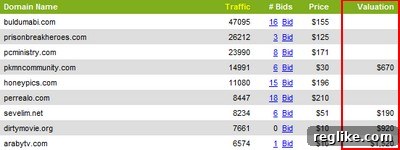
- Introduction of a “Valuation” Price: Alongside the $10 starting bid, auction listings now prominently feature a “valuation” price. While GoDaddy’s site doesn’t delve into the precise methodology behind this valuation, it is widely understood to represent the price at which the auction would have commenced under the old system. This valuation serves as an informational benchmark, offering bidders an insight into GoDaddy’s internal assessment of the domain’s worth, without forcing them to meet that price from the outset.
This hybrid approach ensures that while the perceived value of a domain is still communicated, the actual bidding process begins at an accessible point, allowing market forces to dictate the final price. This shift empowers bidders by giving them the opportunity to acquire desirable domains at competitive prices, potentially far below the previously mandated minimums.
Consider a practical example: a domain like “dirtymovie.org,” which under the old system might have carried a starting bid of $920 due to its perceived market value. Under the revised framework, the auction for “dirtymovie.org” now begins at a mere $10. The valuation of $920 is still displayed, providing context, but bidders are no longer obligated to open with such a high offer. This change fundamentally redefines the entry point, opening up opportunities for strategic bidding and making domain acquisition more democratic.
The Human Element: Bob Parsons’ Leadership and Openness to Feedback
The impetus for this significant policy change came directly from the top. Go Daddy Group CEO, Bob Parsons, personally acknowledged and acted upon the feedback concerning the auction structure. In a direct conversation with industry commentators, Parsons admitted that he “hadn’t thought of the minimum bids as ‘bidding against customers’.” This candid admission highlights a critical aspect of effective leadership: the willingness to listen, reconsider established practices, and adapt in response to valid critiques.
Parsons’ decision to implement the change demonstrates GoDaddy’s commitment to responsiveness and customer satisfaction. It serves as a powerful testament to the influence of constructive criticism within the domain community and the importance of open dialogue between service providers and their users. This incident illustrates that even industry giants are receptive to well-reasoned arguments that prioritize fairness and customer experience.
This isn’t an isolated incident, but rather a pattern of GoDaddy’s evolving approach to marketplace ethics and customer trust. The company has previously shown a similar willingness to address contentious issues:
- Invalid WHOIS Policy: GoDaddy shifted its policy from merely deleting domains with invalid WHOIS information to suspending them. This change provided domain owners with an opportunity to correct their details, rather than losing valuable assets outright, while still upholding data accuracy and combating abuse.
- Employee Bidding Ban: To eliminate potential conflicts of interest and ensure a level playing field, GoDaddy prohibited its employees from bidding on TDNAM auctions. This move solidified the perception of impartiality and fairness in its auction processes.
These actions collectively portray a company that is not only open to criticism but actively incorporates feedback into its operational framework, demonstrating a robust commitment to ethical practices and community engagement.
Broader Implications for Domain Investors and the Aftermarket
The revised TDNAM auction system carries far-reaching benefits for domain investors, from seasoned professionals to newcomers:
Empowering Domain Buyers
- Lower Entry Barrier: The $10 starting bid makes high-value domains accessible to a broader audience, fostering a more inclusive investment environment.
- Enhanced Discovery: Investors can now identify and bid on domains that might have previously been out of reach due to high initial bids, potentially uncovering hidden gems.
- True Market Valuation: By allowing the auction to start low, the final price is a more accurate reflection of what the market is willing to pay, rather than a price dictated by the platform.
- Increased Participation: With lower financial commitment required upfront, more individuals and businesses are likely to engage in TDNAM auctions, stimulating overall activity.
Boosting Market Liquidity and Transparency
- Vibrant Secondary Market: Greater participation naturally leads to a more active and liquid secondary market for expired domains, benefiting both buyers and sellers.
- Setting an Industry Standard: As a market leader, GoDaddy’s move sets a precedent for other domain marketplaces, potentially encouraging similar practices across the industry. This fosters a healthier, more competitive landscape for domain acquisition.
- Rebuilding Trust: By proactively addressing criticisms and demonstrating a commitment to fairness, GoDaddy strengthens its reputation and builds greater trust with its extensive user base. This is crucial for long-term engagement and platform loyalty.
Navigating the Evolving Landscape of Expired Domain Investing
With these significant changes, the landscape of expired domain investing through TDNAM becomes even more dynamic. For those looking to leverage these new opportunities, a strategic approach is key:
Tips for Effective Bidding in the New TDNAM Environment
- Thorough Research is Paramount: While the “valuation” offers a starting point, always conduct your own due diligence. Investigate a domain’s history, backlinks, potential traffic, search engine optimization (SEO) value, and brandability before placing bids.
- Set a Clear Budget: The $10 starting bid can be enticing, but don’t get carried away in bidding wars. Determine your maximum acceptable price for a domain and stick to it to ensure profitable investments.
- Understand the Value Proposition: Differentiate between speculative purchases and domains with clear, tangible value. Look for domains that align with current market trends or specific business needs.
- Utilize Tools and Analytics: Leverage various domain appraisal tools, backlink checkers, and traffic estimators to make informed decisions. Combine GoDaddy’s valuation with your own data-driven analysis.
- Patience and Strategy: The nature of auctions means some domains will go quickly, while others require strategic waiting. Don’t rush into bids, and observe auction patterns to refine your approach.
The Future of Domain Aftermarkets
The evolution of platforms like TDNAM signals a broader trend towards more user-centric and transparent online marketplaces. As the digital economy continues to grow, the demand for quality domain names will only intensify. Platforms that prioritize fairness, provide clear information, and actively engage with their communities are poised to thrive. GoDaddy’s recent adjustments serve as a benchmark for how industry leaders can adapt to meet the evolving expectations of their users and maintain a competitive edge.
Conclusion
GoDaddy’s decision to revise its TDNAM auction starting bids represents a significant step forward for the domain industry. By transitioning to a $10 starting bid coupled with an informative valuation, the company has directly addressed a key concern within the domain investor community, fostering greater transparency, accessibility, and fairness. This move, championed by Bob Parsons, reinforces GoDaddy’s commitment to listening to its customers and adapting its practices to uphold ethical standards and enhance user experience. It underscores the profound impact that informed feedback can have on corporate policy and sets a positive precedent for the future of online marketplaces. For domain investors, this change translates into more opportunities, a level playing field, and a renewed sense of trust in one of the internet’s largest domain aftermarkets.
For more insights and discussions on this and other pivotal developments in the domain world, be sure to tune into RadioGoDaddy for live broadcasts and expert commentary.