
Optimizing Your Domain Sales: A Deep Dive into GoDaddy’s “For Sale” Landers
In the dynamic world of domain investing, effectively showcasing your assets is paramount. A well-designed “for sale” landing page can significantly influence a potential buyer’s decision, making the difference between a quick sale and a lingering inventory. GoDaddy, as a giant in the domain industry, offers various options for domain investors to list their domains for sale. While these options present valuable pathways to monetization, understanding their nuances and potential shortcomings is crucial for maximizing your return on investment.
Recently, the seasoned domain expert Michael Cyger of DNAcademy shed light on GoDaddy’s surprisingly diverse array of five “for sale” landers available to domain owners. This revelation itself was an eye-opener for many in the industry, highlighting a complexity that often goes unnoticed. The majority of these options involve forwarding a prospective buyer directly to a page hosted on GoDaddy’s website, integrating the sales process within their ecosystem.
Navigating GoDaddy’s Domain Forwarding Options for Enhanced Sales
The concept of forwarding a domain directly to GoDaddy’s purchase path has long been recognized as a smart move by many in the domain community. It simplifies the buyer’s journey, leveraging GoDaddy’s trusted brand and infrastructure. However, not all forwarding options are created equal, and some come with significant caveats that can hinder rather than help your sales efforts.
The Challenge of Default Forwarding: Distraction and Dilution
The most common and often default forwarding mechanism on GoDaddy sends visitors to a general GoDaddy search page. While seemingly convenient, this approach presents a major challenge for sellers: GoDaddy’s default search pages often prominently display other domain options, including competitor domains or similar suggestions. This creates unnecessary distractions, diverts buyer attention, and can lead to a loss of focus on the specific premium domain you are trying to sell. For a domain investor, allowing a platform to advertise alternative choices when a buyer has specifically landed on your domain is counterproductive, potentially costing you a sale and diluting the perceived value of your asset.
Alternative Paths: Auctions vs. Focused Sales Pages
Fortunately, Cyger’s insightful guide reveals that GoDaddy offers more refined forwarding solutions designed to mitigate these distractions. Among the more effective options are two distinct paths:
- The GoDaddy Auction Page: This option directs potential buyers to an auction page within GoDaddy’s platform. It’s particularly useful for domains where you aim to generate competitive bidding, leveraging the urgency and excitement of an auction environment. While excellent for specific sale strategies, it might not be the ideal choice for domains with a fixed “buy now” price, as it primarily caters to a bidding model.
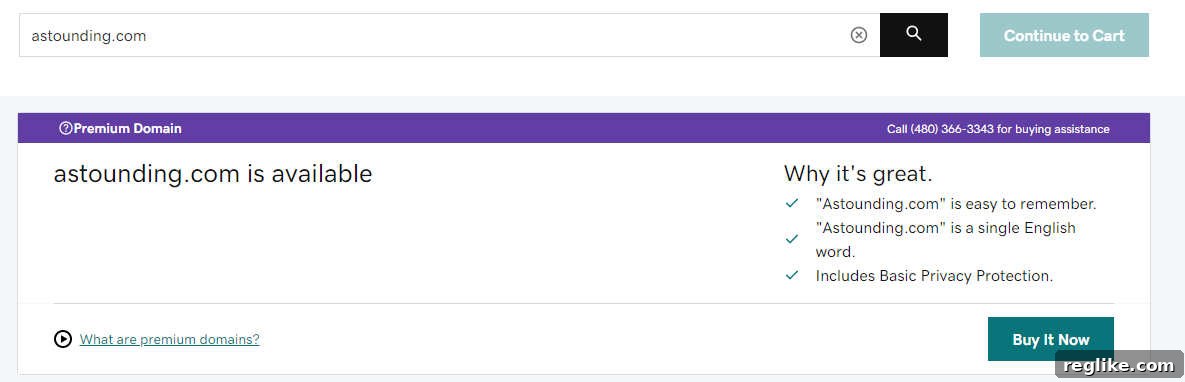
- The Dedicated Premium Domain Page: This is arguably the most appealing option for many domain investors, especially those with premium inventory. As illustrated in the image above, this forwarding method leads the visitor to a clean, focused page that exclusively showcases your premium domain for sale, without any competing advertisements or distractions. This singular focus ensures that the buyer’s attention remains entirely on your specific asset, providing a professional and uncluttered presentation that aligns perfectly with a premium offering.
For domain investors striving for a streamlined and conversion-optimized sales process, the dedicated premium domain page stands out as the superior choice. It creates an environment where the buyer can fully appreciate the value of the domain without being sidetracked by other listings. This concentrated approach is essential for high-value transactions, where every element of the presentation can impact a buyer’s perception and willingness to purchase.
The Missing Piece: The Critical Absence of “Buy Now” Pricing
Despite the undeniable advantages of the dedicated premium domain page, there’s a significant drawback that hinders its effectiveness: it often fails to display the domain’s actual price. Instead of a clear “buy now” price, visitors are frequently prompted to fill out an inquiry form to express interest or make an offer. This omission introduces an unnecessary layer of friction into the sales process, potentially deterring serious buyers and reducing immediate conversion opportunities.
Why Transparent Pricing is Essential for Domain Sales
In today’s fast-paced digital marketplace, consumers expect transparency, instant information, and seamless transaction paths. The absence of a visible price on a “for sale” page can be a major impediment for several reasons:
- Buyer Hesitation: Many potential buyers are hesitant to fill out forms, fearing unsolicited contact or a drawn-out negotiation process. A missing price creates uncertainty, forcing them to take an extra, often inconvenient, step to discover basic information.
- Lost Impulse Buys: For moderately priced domains, an immediate “buy now” option can capitalize on impulse decisions. Without a visible price, this crucial window of opportunity often closes.
- Increased Friction: Each additional step in the sales funnel reduces conversion rates. Requiring an inquiry for pricing adds significant friction, turning away potential buyers who prefer quick and direct transactions.
- Perception of Value: While some argue that withholding the price can create an air of exclusivity, for the vast majority of domains, it simply creates a barrier. Buyers want to know if a domain falls within their budget instantly.
GoDaddy’s Rationale and the Need for Reassessment
GoDaddy representatives have historically defended this approach, stating that internal testing indicated inquiry forms led to better outcomes compared to displaying a direct “buy now” price on their main landers. Their rationale posits that engaging buyers through an inquiry process allows for personalized interaction, potentially leading to higher closing rates. However, this perspective warrants critical re-evaluation.
It’s crucial to consider the context of these past tests. The domain aftermarket has evolved considerably, and buyer behaviors have shifted. Furthermore, GoDaddy’s sales platform underwent a significant branding transition from Afternic to GoDaddy. This change itself could have altered buyer trust, perception, and engagement patterns. It is highly plausible that tests conducted under the Afternic branding or in a different market environment may no longer accurately reflect current market realities.
The market now demands speed and simplicity. E-commerce best practices overwhelmingly favor clear pricing and straightforward purchase options. Forcing buyers into an inquiry process for domains, especially those in the lower to mid-price ranges, seems anachronistic and out of step with contemporary online sales expectations. Domain investors are not looking to manage dozens of inquiries for domains priced at a few hundred dollars; they seek efficient, automated sales.
Advocating for Change: Re-testing “Buy Now” for Optimal Conversions
Given the changing landscape, there’s a compelling argument to be made for GoDaddy to revisit its testing methodologies and re-evaluate the efficacy of displaying “buy now” pricing. This is particularly pertinent for low-cost to mid-range domains, where the buyer’s journey is often short and decisive. Implementing a clear, visible price on the dedicated premium domain lander could unlock significant benefits for both sellers and GoDaddy itself:
- Enhanced Conversion Rates: Reducing friction by providing immediate pricing information would undoubtedly lead to higher conversion rates for impulse and budget-conscious buyers.
- Improved Seller Experience: Domain investors would spend less time managing inquiries and more time focusing on their portfolio development, as sales become more automated.
- Market Alignment: Aligning GoDaddy’s sales pages with standard e-commerce practices would improve user experience and foster greater trust.
- Data-Driven Optimization: Fresh A/B testing, segmenting results by domain price points and buyer demographics, could provide invaluable data to inform a more nuanced and effective sales strategy.
Imagine a scenario where a potential buyer lands on your premium domain page, sees a clear, competitive price, and can complete the purchase with a single click. This streamlined experience is what modern buyers expect and what domain investors desperately need. While inquiry forms might still hold value for ultra-premium, high-five-figure or six-figure domains where bespoke negotiation is often expected, for the vast majority of domains in the aftermarket, a direct “buy now” option is the clear path to increased liquidity and efficiency.
Beyond the Lander: Holistic Strategies for Domain Success
While optimizing your chosen GoDaddy lander is a critical step, it’s part of a broader strategy for domain investing success. Effective domain monetization also involves:
- Strategic Pricing: Researching comparable sales and understanding market demand to set a competitive yet profitable price.
- Quality Domain Selection: Investing in memorable, brandable, and relevant domains that naturally attract buyer interest.
- Diversified Sales Channels: While GoDaddy is a major player, exploring other marketplaces and direct outreach methods can broaden your potential buyer pool.
- Professional Presentation: Even with a dedicated lander, ensuring your domain’s potential is clear and compelling (e.g., suggesting use cases or market fit).
Ultimately, the goal is to create the smoothest, most direct path for a motivated buyer to acquire your domain. Any obstacle, whether it’s a distracting advertisement or a missing price tag, can derail that path. By advocating for and utilizing the most effective tools available, domain investors can significantly enhance their sales performance.
Conclusion: Empowering Domain Investors with Clearer Paths to Sale
Michael Cyger’s insights into GoDaddy’s “for sale” landers highlight both the potential and the pitfalls within the current system. While the option to direct traffic to a dedicated premium domain page is a powerful tool for focused sales, its effectiveness is curtailed by the absence of transparent “buy now” pricing. It is imperative for GoDaddy to re-evaluate its sales strategies in light of contemporary e-commerce expectations and the specific needs of domain investors.
For domain owners with portfolios registered at GoDaddy, understanding these nuances is key. We encourage you to delve deeper into Michael Cyger’s comprehensive post and explore the valuable discussions in its comments section. Engaging with these resources can provide further context and strategies to optimize your domain sales approach. By continuously refining our methods and advocating for better platform features, the domain investing community can collectively drive greater efficiency and profitability in the aftermarket.