
Advertisers Gain Control: Excluding Ads from Parked Domains – Impact on Revenue?
A significant shift has occurred in the digital advertising landscape as Google Ads has introduced a new feature empowering advertisers to exclude their ads from appearing on domain parking sites. This change has far-reaching implications for parked domains across all of Google’s advertising networks, impacting both the search and content feeds. Prominent domain parking platforms utilizing Google’s services, such as DomainSponsor and Sedo, will be directly affected by this update.
Taking Control: Opting Out of Domain Parking Pages
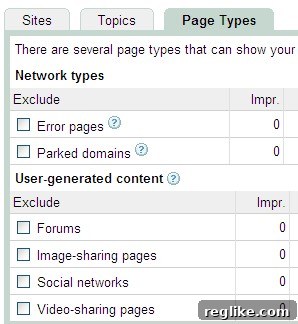
Advertisers can now exercise greater control over their ad placements through the “Site and Category Exclusion” tool within their Google Ads account. This tool, illustrated below, allows users to specifically opt out of displaying ads on parked domain pages. The functionality extends beyond parked domains, offering the ability to exclude ads from error pages, online forums, social networking platforms, image sharing sites, and video sharing sites. This comprehensive exclusion capability addresses concerns about the performance of ads on certain platforms, particularly forums and social networking sites, which are often associated with lower click-through rates and conversion rates.
Earlier discussions have highlighted the critical importance of domain parking companies actively policing their traffic to combat click fraud and ensure the integrity of advertising campaigns. The introduction of this opt-out feature by Google aligns with these concerns and empowers advertisers to take proactive measures to protect their investments.
Google’s Perspective: Performance and Transparency
Despite enabling advertisers to opt out of domain parking placements, Google maintains that its internal data indicates that domain parking pages can perform comparably to other similar ad placements. Furthermore, the opt-out tool provides advertisers with enhanced transparency, allowing them to track their conversion rates across different page types. This represents a significant improvement in transparency compared to previous practices, giving advertisers valuable insights into the effectiveness of their campaigns on domain parking sites.
However, despite Google’s claims, many advertisers remain skeptical about the conversion rates associated with domain parking ads. The combination of perceived lower conversion rates and concerns about potential click fraud leads many to believe that a significant number of advertisers will choose to opt out of displaying their ads on domain parking sites. It’s important to note that while advertisers previously had the option to opt out of the content network, many parked domain pages are served through the search network, making this new feature particularly impactful.
Short-Term Impact: Potential Revenue Reduction
The introduction of this opt-out feature is likely to result in lower revenue for Google’s domain parking customers in the short term. As more advertisers choose to exclude their ads from these sites, the overall demand for ad placements on parked domains will decrease, leading to a reduction in advertising revenue.
Long-Term Outlook: The Importance of Traffic Quality
The long-term impact of this change will depend largely on the actions taken by domain parking companies. If these companies proactively address concerns about traffic quality and actively police their traffic to prevent click fraud, they may be able to improve the performance of ads on their sites and regain the trust of advertisers. This, in turn, could lead to higher conversion rates and increased advertising revenue. It’s conceivable that Google could eventually allow advertisers to bid higher for ad placements on domain parking sites that demonstrate high-quality traffic and strong conversion rates, creating a more sustainable ecosystem for domain parking advertising.
The Need for Vigilance and Adaptation
The evolving landscape of digital advertising necessitates constant vigilance and adaptation. The introduction of this new opt-out feature by Google is a clear indication of the growing importance of ad quality and transparency. Domain parking companies must prioritize traffic quality and work to build trust with advertisers to ensure their long-term success. Advertisers, in turn, must leverage the available tools and data to make informed decisions about their ad placements and optimize their campaigns for maximum performance. The future of domain parking advertising will depend on the collective efforts of all stakeholders to create a more transparent, efficient, and effective ecosystem.
Understanding the Nuances of Domain Parking
Domain parking is a common practice where individuals or companies register domain names with the intention of monetizing them through advertising revenue. These parked domains typically display advertisements related to the keywords contained in the domain name or other relevant topics. The revenue generated from these ads is shared between the domain owner and the domain parking provider. While domain parking can be a legitimate way to generate income from unused domain names, it has also been associated with certain challenges, including click fraud and low-quality traffic. The new Google Ads feature aims to address these challenges by giving advertisers more control over where their ads are displayed.
The Role of Click Fraud in Advertising
Click fraud is a significant concern in the digital advertising industry. It involves artificially inflating the number of clicks on an advertisement, often with the intention of depleting the advertiser’s budget or generating revenue for the fraudulent party. Click fraud can take various forms, including automated bots clicking on ads and individuals being paid to click on ads. The consequences of click fraud can be severe, leading to wasted advertising spend and inaccurate performance data. Domain parking sites have sometimes been associated with higher rates of click fraud, prompting Google and other ad networks to take steps to mitigate the problem.
Transparency and Data-Driven Decision Making
The increased transparency provided by the new Google Ads feature empowers advertisers to make more informed decisions about their ad placements. By tracking conversion rates across different page types, advertisers can identify which placements are performing well and which are not. This data-driven approach allows them to optimize their campaigns and allocate their budgets more effectively. Transparency is essential for building trust between advertisers and ad networks, and it helps to ensure that advertising spend is being used efficiently.
The Future of Domain Parking Advertising
The future of domain parking advertising is uncertain. The introduction of the new Google Ads feature is likely to have a significant impact on the industry, potentially leading to a reduction in revenue for some domain parking companies. However, those companies that prioritize traffic quality and work to build trust with advertisers may be able to thrive in the long term. The key will be to demonstrate the value of their ad placements and provide advertisers with a positive return on investment. The domain parking industry must adapt to the changing landscape of digital advertising and embrace best practices for traffic quality and transparency.
Empowering Advertisers: A Step Towards a Healthier Ecosystem
Google’s decision to empower advertisers with the ability to exclude ads from parked domains represents a positive step towards a healthier and more transparent digital advertising ecosystem. By giving advertisers greater control over their ad placements, Google is addressing legitimate concerns about ad quality and click fraud. This move is likely to benefit both advertisers and consumers, leading to more relevant and effective advertising campaigns. As the digital advertising landscape continues to evolve, it is crucial that ad networks and platforms prioritize transparency and empower advertisers to make informed decisions.