
Google Escalates Brand Protection with UDRP Complaint Against Gmai.com, a Two-Decade-Old Domain
The Battle for Brand Identity: Google’s Latest Domain Dispute
In an increasingly digital world, the protection of brand identity extends far beyond traditional trademarks. It delves deep into the intricate realm of domain names, where slight misspellings or phonetic similarities can lead to significant user confusion and potential harm. This ongoing struggle for digital real estate has recently seen tech giant Google taking decisive action, filing a Uniform Domain-Name Dispute-Resolution Policy (UDRP) complaint against an unexpected target: Gmai.com. What makes this case particularly intriguing is not just the striking resemblance to Google’s ubiquitous email service, Gmail, but also the domain name’s venerable age – a remarkable 21 years.
The UDRP complaint, officially recorded, highlights a complex scenario where historical domain registration meets modern trademark enforcement. While Google itself was founded in 1998, its immensely popular email platform, Gmail, didn’t launch until 2004. This timeline discrepancy immediately raises questions: How could a domain seemingly infringing on Gmail’s trademark exist for so long, even predating the service itself? The answer lies in the nuanced rules governing domain disputes and a critical change in the domain’s ownership status.
Understanding Typo Squatting and Its Threat to Brands
The case of Gmai.com against Google is a classic example of what is commonly known as “typo squatting” or URL hijacking. Typo squatting involves registering domain names that are slight variations or common misspellings of well-known brands. The intent behind such registrations is often malicious: to capitalize on user errors, divert traffic, or engage in fraudulent activities like phishing. For a company of Google’s stature, with billions of users relying on its services daily, such domain misuse poses a significant threat not only to its brand reputation but also to the security and trust of its user base.
Gmai.com, with its single letter difference from “Gmail.com,” perfectly fits the profile of a typo-squatted domain. Users typing quickly, or those less familiar with precise spellings, could easily land on Gmai.com instead of their intended destination. The potential for confusion is immense, making it a prime target for those looking to exploit Google’s established brand recognition for illicit gains. This type of deceptive practice undermines the integrity of the internet and necessitates robust legal frameworks like the UDRP to protect both intellectual property owners and internet users.
The UDRP: Google’s Tool for Digital Brand Defense
The Uniform Domain-Name Dispute-Resolution Policy (UDRP) is an internationally recognized administrative procedure designed to resolve disputes concerning abusive domain name registrations. Established by the Internet Corporation for Assigned Names and Numbers (ICANN), the UDRP provides a streamlined and cost-effective alternative to traditional litigation. For a complainant like Google to succeed in a UDRP action, they must prove three cumulative elements:
- The domain name is identical or confusingly similar to a trademark or service mark in which the complainant has rights.
- The registrant of the domain name has no rights or legitimate interests in respect of the domain name.
- The domain name has been registered and is being used in bad faith.
In the Gmai.com case, the first criterion is almost self-evident due to the striking similarity to the “Gmail” trademark. The core of Google’s argument, therefore, likely hinges on demonstrating the lack of legitimate interest and, critically, the element of “bad faith” registration and use. This is where the domain’s history and its recent change of hands become pivotal.
The Game-Changing Factor: A Recent Transfer and “New Registration” Status
At first glance, the fact that Gmai.com is 21 years old – significantly predating Gmail’s launch in 2004 – might appear to weaken Google’s case. How could a domain registered before a trademark existed be considered “bad faith” registration against that trademark? This historical anomaly is precisely why the domain’s recent history is so crucial. It has come to light that the Gmai.com domain appears to have changed ownership hands just last year.
This transfer of ownership is a critical detail that transforms the legal landscape of the dispute. Under UDRP guidelines, when a domain name is transferred or sold to a new registrant, that acquisition is often treated as a “new registration” in the eyes of the policy. This means that instead of evaluating the original 2003 registration date, the UDRP panel will assess the intent and circumstances surrounding the most recent transfer. Therefore, even though the domain itself has a long history, its current registrant is now subject to scrutiny based on the date they acquired it – a date well after Gmail had become a globally recognized brand and trademark.
This re-registration status is a powerful lever for Google. It allows them to argue that the current owner acquired Gmai.com with full knowledge of the Gmail trademark and with the specific intent to profit from its goodwill, or to disrupt Google’s business, or to mislead users. This effectively bypasses the chronological challenge and strengthens Google’s ability to prove bad faith registration and use, turning a potentially difficult case into a much more defensible position for the tech giant.
The Manifestation of Bad Faith: Deceptive Forwarding and Phishing Concerns
Further compounding the issue for the current registrant of Gmai.com is the manner in which the domain is currently being utilized. Upon typing gmai.com into a web browser, users are not met with an innocuous placeholder page or a legitimate business unrelated to email. Instead, they are forwarded to a page that bears a striking, and deeply concerning, resemblance to a login portal for Google’s own services. This page appears designed to mimic the aesthetics and functionality of a legitimate Gmail or Google account login, complete with fields for usernames and passwords.
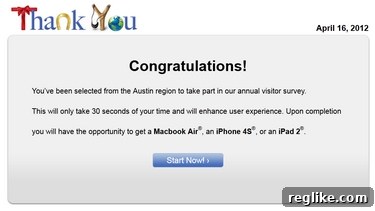
Such a setup unequivocally points towards a deliberate attempt at phishing – a fraudulent endeavor to trick users into divulging their personal credentials. This direct misuse of a confusingly similar domain to facilitate potential cybercrime is arguably the strongest evidence Google possesses to satisfy the “bad faith” criterion of the UDRP. It demonstrates a clear intent to mislead and potentially harm internet users, exploiting the strong brand recognition of Gmail for nefarious purposes. The mere existence of such a deceptive landing page underscores the urgent need for Google to reclaim control of this domain, not just for brand protection, but for the fundamental security of its users.
The Veil of Anonymity: Elusive Ownership and Its Implications
Adding another layer of complexity to this already intricate dispute is the opaque nature of the domain’s current ownership. Identifying the true registrant of Gmai.com has proven to be a challenge. The domain is reportedly registered through an ICANN-accredited registrar known as BoteroSolutions.com S.A. However, efforts to ascertain standard WHOIS information – the public database containing domain registration details – have been met with difficulty. While a WHOIS link might be present within the registrar’s site, it reportedly relies on an external server, and services like DomainTools have struggled to connect to the company’s WHOIS server.
This lack of transparent ownership information, whether intentional or due to technical issues, can complicate UDRP proceedings. Legitimate domain owners typically have easily accessible WHOIS data, unless they opt for privacy protection services, which themselves can sometimes be challenged in UDRP cases if used to mask bad faith activity. The inability to readily identify the registrant or their contact details raises questions about accountability and transparency, potentially strengthening Google’s assertion of bad faith. It suggests an attempt to operate under a veil of anonymity while engaging in activities that could be deemed deceptive or illicit, further underscoring the necessity for regulatory bodies like ICANN and policies like UDRP to ensure a fair and secure online environment.
Broader Implications for Brand Protection in the Digital Age
Google’s decision to pursue a UDRP against Gmai.com is more than just an isolated incident; it sends a powerful message across the digital landscape regarding brand protection. In an era where digital presence is paramount, companies must be vigilant in safeguarding their trademarks against all forms of infringement, including typo squatting. This case serves as a stark reminder that even domains registered decades ago can become targets of UDRP complaints if they are subsequently acquired and used in bad faith, especially when they closely resemble a globally recognized brand.
For domain investors and future registrants, this dispute highlights the critical importance of due diligence. Acquiring a domain that is confusingly similar to an existing trademark, regardless of its age, carries significant risks if the intent behind the acquisition or its subsequent use can be construed as bad faith. Google, like many other large corporations, actively monitors for such infringements to protect its intellectual property and, crucially, its user base from potential scams and fraud. The outcome of the Gmai.com case will undoubtedly serve as another precedent in the ever-evolving legal framework of internet domain governance, reinforcing the principle that legitimate trademark rights generally supersede illegitimate domain registrations and usage, especially when public safety and trust are at stake.