

Elevate Your Search Presence: Mastering Google Site Names for Increased Visibility
In the ever-evolving landscape of search engine optimization (SEO), staying ahead of the curve requires a constant adaptation to new features and updates. Google, the dominant force in the search engine world, frequently rolls out changes to its search results display, aiming to enhance user experience and provide more relevant information. One such significant update is the prominent display of site names in search results. This seemingly small tweak can have a considerable impact on your website’s visibility, brand recognition, and click-through rates.
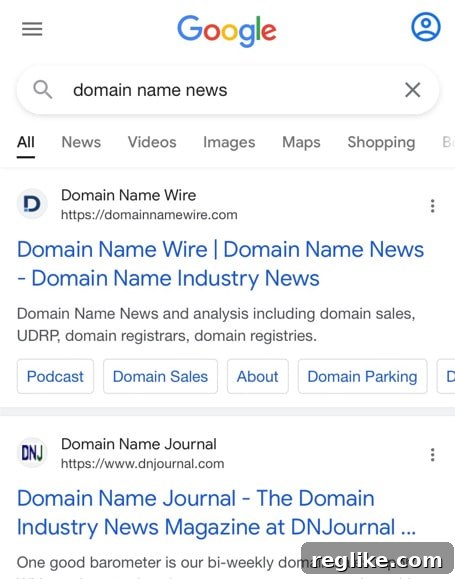
For years, websites have strived to optimize their title tags, meta descriptions, and content to rank higher in search results. Now, with the introduction of prominently displayed site names, there’s a new element to consider. This feature places your website’s name directly above the traditional URL, making it one of the first things users see when your site appears in a search. This added visibility can significantly improve brand recognition and user trust, ultimately leading to more clicks and increased traffic to your site.
Understanding Google’s Site Name Feature
Google’s constant experimentation with search result displays is well-documented. From tweaking URL structures to testing various snippets, the search giant is always refining its algorithms to deliver the best possible user experience. The introduction of prominent site names is a testament to this commitment. Instead of relying solely on the URL and page title, Google now emphasizes the brand behind the content. This helps users quickly identify the source of the information and make informed decisions about which links to click.
This feature, initially tested over several weeks, officially announced, is now rolling out across mobile search results. The site name appears prominently above the domain name, providing a clear and concise identifier for your website. This change represents a shift towards a more brand-centric approach in search results, giving website owners greater control over how their brand is perceived.
Optimizing Your Site Name for Maximum Impact
While Google automatically attempts to identify your site name, it’s crucial to take proactive steps to ensure that it’s displayed correctly and effectively. Google uses a variety of sources to determine your site name, including structured data markup, your website’s homepage title, and other publicly available information. To exert greater control over your site name, you can utilize structured data on your website.
By implementing structured data, you can explicitly tell Google your preferred site name. This ensures that the correct name is displayed in search results, even if Google’s algorithms might otherwise choose a different name. The structured data markup provides clear and unambiguous instructions to Google, minimizing the risk of errors or inconsistencies. You can find detailed guidelines and examples on how to implement site name structured data on the Google Search Central documentation.
The Importance of Favicons
In addition to site names, Google also prominently displays favicons in mobile search results. A favicon is the small icon associated with your website that appears in browser tabs and bookmarks. Google recommends that website owners provide a favicon that’s at least 48 pixels in size to ensure it’s displayed clearly and legibly in search results. A well-designed favicon can further enhance brand recognition and visual appeal, making your search result stand out from the competition.
Beyond the Basics: Strategies for Success
Optimizing your site name and favicon is just the first step. To truly maximize the impact of these features, you need to integrate them into a comprehensive SEO strategy. This includes:
- Consistent Branding: Ensure that your site name and favicon are consistent with your overall branding. This includes your logo, color scheme, and messaging. A cohesive brand experience across all platforms helps build trust and recognition.
- Mobile Optimization: Given that the site name feature is primarily rolled out on mobile, ensure your website is fully optimized for mobile devices. This includes responsive design, fast loading speeds, and a user-friendly interface.
- Content Quality: While site names and favicons can attract attention, ultimately, the quality of your content will determine whether users stay on your site and engage with your brand. Focus on creating informative, engaging, and valuable content that meets the needs of your target audience.
- Monitoring Performance: Regularly monitor your website’s performance in search results, paying attention to click-through rates, bounce rates, and conversion rates. This data will provide valuable insights into the effectiveness of your SEO efforts and help you identify areas for improvement.
- Staying Updated: The SEO landscape is constantly changing. Stay informed about the latest Google updates and best practices to ensure that your website remains competitive. Follow industry blogs, attend webinars, and participate in online forums to stay ahead of the curve.
Leveraging Breadcrumbs for Enhanced Navigation
Beneath the site name and domain name in the search results, Google also displays breadcrumbs. Breadcrumbs are navigational aids that show the user’s current location within the website’s hierarchy. They typically appear as a series of links separated by forward slashes, indicating the path from the homepage to the current page. By implementing structured data for breadcrumbs, you can help Google understand your website’s structure and display accurate breadcrumbs in search results. This not only improves user experience but also provides valuable context to searchers, helping them understand the content of the page and its relevance to their search query.
Conclusion: Embrace the Change and Optimize for Success
The introduction of prominent site names in Google search results represents a significant shift towards a more brand-centric approach to search. By understanding how this feature works and taking proactive steps to optimize your site name, favicon, and breadcrumbs, you can significantly improve your website’s visibility, brand recognition, and click-through rates. Embrace this change and integrate it into your overall SEO strategy to unlock new opportunities for growth and success in the ever-evolving digital landscape.