
Google’s “Open Patent Pledge”: A Deep Dive into a Potential Game-Changer
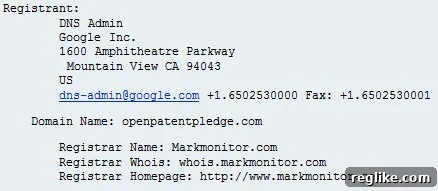
In a significant move that sent ripples through the tech community, Google recently registered domain names associated with an “Open Patent Pledge.” This development sparked immediate speculation, hinting at a potentially transformative shift in how the tech giant approaches intellectual property, particularly in the wake of its colossal acquisition of Motorola Mobility. While the precise nature of this pledge remains shrouded in mystery, the very prospect of such an initiative raises crucial questions about patent strategy, innovation, and the future landscape of the technology industry.
The Strategic Significance of Motorola Mobility’s Patent Portfolio
The acquisition of Motorola Mobility by Google for a staggering $12.5 billion in 2012 was a landmark event. Although Motorola’s hardware business was later divested, the primary and undeniable motivation behind this massive investment was its extensive patent portfolio. At the time, the tech world was embroiled in what many termed “patent wars,” with companies fiercely litigating over intellectual property rights, particularly in the burgeoning smartphone market.
Google, a relative newcomer to hardware manufacturing but a dominant force in software through its Android operating system, found itself increasingly vulnerable to patent infringement lawsuits. Its partners in the Android ecosystem were also frequently targeted. Motorola’s more than 17,000 granted patents and 7,500 pending applications provided Google with a much-needed defensive arsenal. This strategic move was not just about acquiring technology; it was about securing Android’s future and providing a shield against competitors wielding their own patent portfolios offensively.
The patents covered a wide range of technologies, from fundamental mobile communication standards to innovative smartphone features. Owning these patents allowed Google to counter-sue, negotiate licensing agreements from a position of strength, and ultimately protect its core business interests. However, holding such a vast collection of patents also presented Google with a choice: to wield them aggressively, or to explore new models of intellectual property sharing that could foster greater innovation and collaboration.
Unveiling the “Open Patent Pledge”: What Could It Mean?
The registration of domain names like OpenPatentPledge.com, OpenPatentPledge.net, OpenPatentPledge.org, and OpnPledge.com on October 18, 2012, unequivocally signals Google’s intent to formalize some form of commitment regarding its patents. While the exact details are eagerly anticipated, several existing models and proposals offer clues as to what Google’s pledge might entail.
Potential Models for Google’s Pledge:
- Paul Graham’s “Patent Pledge” Concept: One prominent idea comes from entrepreneur and investor Paul Graham, who proposed a “No first use of software patents against companies with less than 25 people” pledge. This concept aims to protect small startups and independent developers from aggressive patent litigation by larger entities. If Google adopts a similar stance, it would be a significant boon for the startup ecosystem, potentially reducing the fear of legal battles that often stifle early-stage innovation. It would signal a commitment to fostering growth rather than just defending market share.
- IBM’s Open Source Patent Pledge: Another parallel can be drawn from IBM’s long-standing commitment to the open-source community. IBM has made thousands of its patents available to developers under open-source licenses, specifically pledging not to assert these patents against open-source software. This approach encourages collaboration, reduces legal overhead for open-source projects, and contributes to the collective advancement of technology. For Google, deeply invested in open-source projects like Android and Chrome, an analogous pledge could solidify its commitment to the open-source ethos and further strengthen its relationship with the developer community.
- FRAND Licensing Proposal for Motorola Patents: Google had previously engaged in discussions surrounding a “Fair, Reasonable, and Non-Discriminatory” (FRAND) proposal for licensing Motorola patents. FRAND terms typically apply to patents essential to industry standards, ensuring that these crucial technologies are made available to all implementers on equitable terms. While this usually applies to specific standard-essential patents (SEPs), a broader “Open Patent Pledge” could extend the spirit of FRAND principles to a wider array of Google’s patent portfolio, promoting fair competition and preventing patent holdup tactics.
Why an Open Patent Pledge, and Why Now?
Google’s potential move towards an “Open Patent Pledge” isn’t merely a philanthropic gesture; it’s a strategic decision rooted in several key motivations that align with its long-term vision and market position.
Driving Innovation and Protecting Android:
The Android ecosystem thrives on openness and rapid innovation. Aggressive patent enforcement, while sometimes necessary for defense, can also create a chilling effect on innovation, particularly among smaller players. By offering a pledge, Google could significantly reduce legal uncertainties for developers and manufacturers building on Android, encouraging greater investment in new features and technologies without fear of litigation from Google itself.
Combating Patent Trolls:
The rise of “patent trolls” – entities that acquire patents not to develop products but to license or sue for infringement – has been a persistent challenge for the tech industry. These non-practicing entities (NPEs) often target companies with vague or broad patent claims. While an “Open Patent Pledge” might not directly stop patent trolls from suing Google, it could create a precedent or a framework that encourages a more defensive and collaborative approach to patent use, making the entire ecosystem less hospitable for opportunistic litigation.
Enhancing Public Image and Industry Leadership:
The patent wars of the early 2010s often cast a shadow over some of the world’s most innovative companies. By initiating an “Open Patent Pledge,” Google could reposition itself as a leader in promoting responsible intellectual property practices. This move could improve its public image, demonstrate a commitment to fairness, and set a new standard for how technology companies manage their patent assets. It aligns with Google’s broader mission of organizing the world’s information and making it universally accessible and useful, extending this principle to intellectual property.
Mitigating Legal Risks and Promoting Stability:
Despite its vast patent portfolio from Motorola, Google still faces numerous legal challenges. A well-crafted pledge could proactively mitigate certain types of litigation, particularly from smaller entities or those adhering to similar open principles. It could also foster a more stable and predictable legal environment, allowing Google and its partners to focus more on product development and less on costly, time-consuming legal battles.
The Broader Implications for the Tech Industry
Should Google indeed launch a comprehensive “Open Patent Pledge,” its ramifications would extend far beyond its own operations and the Android ecosystem. This move could:
- Set a New Industry Standard: As a dominant player, Google’s actions often influence the broader industry. An impactful pledge could pressure other tech giants to reconsider their patent strategies, potentially leading to a more collaborative and less litigious environment.
- Empower Startups and Small Businesses: A pledge protecting smaller entities would dramatically lower barriers to entry and innovation, allowing more startups to focus on building rather than battling legal threats. This could ignite a new wave of creativity and entrepreneurship.
- Strengthen Open Source Development: By making patents accessible or promising not to assert them against open-source projects, Google would further legitimize and accelerate the development of open-source software, which is crucial for many modern technologies.
- Shift the Focus from Defense to Innovation: A reduction in patent warfare, even incrementally, could free up significant resources – both financial and human – that could be redirected from litigation to genuine research and development, ultimately benefiting consumers through better products and services.
Looking Ahead: The Anticipation Builds
The registration of these domain names has undoubtedly placed the tech world on high alert, eagerly awaiting Google’s official announcement. The specifics of the “Open Patent Pledge” – which patents it will cover, the conditions for its use, and its legal enforceability – will be critical in determining its true impact. Will it be a broad commitment encompassing its entire portfolio, or a more targeted initiative focusing on specific technologies or communities?
Whatever its final form, Google’s move suggests a potential pivot in the narrative surrounding intellectual property in technology. From a period defined by aggressive patent accumulation and litigation, we might be witnessing the nascent stages of a new era where strategic openness and collaboration are seen as equally, if not more, valuable. The upcoming announcement promises to be a pivotal moment, shaping not just Google’s future, but potentially the future of innovation across the entire tech industry.
We are likely to find out soon, and the implications will be profound.