
Gorgonzola Cheese: A Digital Battle for Brand Identity and Trademark Protection
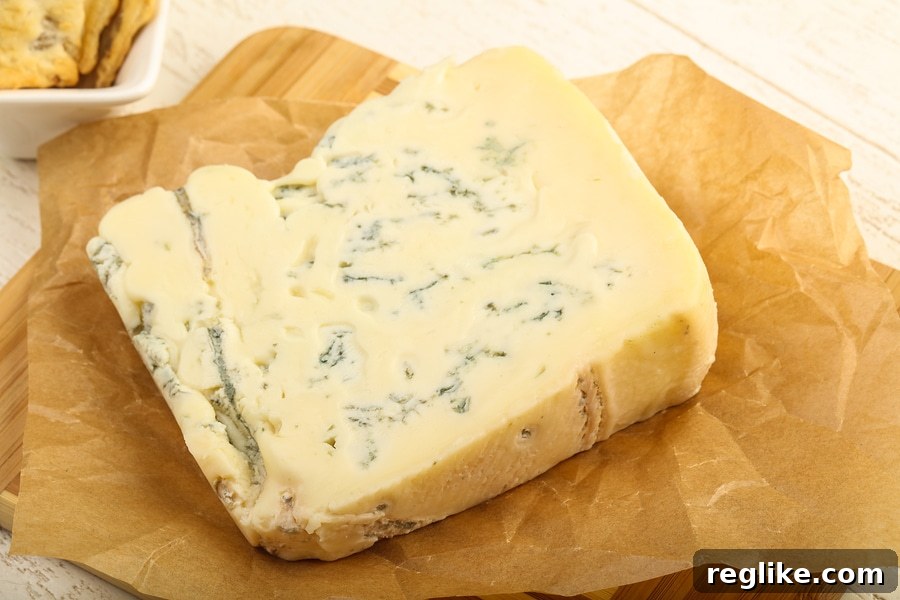
In the vast and ever-expanding digital landscape, the battle for brand identity and trademark protection is more critical than ever, especially for products with rich heritage and specific geographical origins. The celebrated Italian cheese, Gorgonzola, is a prime example of a brand fiercely defended by its custodians. The Consorzio per la Tutela del Formaggio Gorgonzola, the official Italian consortium dedicated to safeguarding the authentic use of the Gorgonzola name, has actively engaged in numerous domain name disputes under the Uniform Domain-Name Dispute-Resolution Policy (UDRP). Their track record, however, reveals a complex mix of successes and setbacks, offering invaluable insights into the nuances of intellectual property law in the digital realm.
The UDRP, administered by organizations like the World Intellectual Property Organization (WIPO), provides a streamlined process for trademark holders to challenge abusive domain name registrations. To succeed in a UDRP complaint, the complainant must generally prove three key elements: first, that the disputed domain name is identical or confusingly similar to a trademark in which the complainant has rights; second, that the registrant of the domain name has no legitimate rights or interests in respect of the domain name; and third, that the domain name has been registered and is being used in bad faith. The consortium’s varied outcomes underscore how each of these elements can be interpreted differently based on specific case facts, registrant intent, and jurisdictional considerations.
The Consortium and the Importance of Geographical Indication Protection
The Consorzio per la Tutela del Formaggio Gorgonzola plays a pivotal role in protecting the Protected Designation of Origin (PDO) status of Gorgonzola cheese. PDOs, or Geographical Indications (GIs), are crucial for traditional food products like Gorgonzola, ensuring that only cheese produced in specific regions of Italy, adhering to strict traditional methods, can bear the name. This protection not only safeguards the authenticity and quality of the product but also prevents consumer confusion and supports the livelihoods of producers. In the digital age, this protection extends to domain names, as cybersquatters often attempt to capitalize on established brand recognition by registering confusingly similar domains. The consortium’s UDRP actions are a testament to their commitment to upholding this vital protection online.
Their proactive approach highlights a broader trend among brand owners who recognize that a robust intellectual property strategy must encompass both traditional trademarks and emerging digital assets. For a product with global recognition like Gorgonzola, maintaining control over its brand identity across various internet extensions is not merely a legal formality; it is a fundamental aspect of brand stewardship and market integrity. The battle for “Gorgonzola” in the digital sphere illustrates the constant vigilance required to protect such valuable geographical indications.
Analyzing the UDRP Outcomes: Wins, Losses, and the Fine Print
The Gorgonzola consortium has filed a total of eight UDRP cases targeting domain names incorporating “Gorgonzola” as the second-level domain. This consistent enforcement strategy demonstrates their dedication to brand protection. However, the outcomes of these cases—some resulting in transfers, others in losses, and some withdrawn—paint a compelling picture of the complexities involved.
A Clear Victory: The Gorgonzola.blue Case
One of the consortium’s recent and notable victories came with the successful transfer of gorgonzola.blue. In this instance, a World Intellectual Property Organization panelist ordered the domain name to be transferred to the Consorzio. The registrant, based in Ireland, had pointed the domain to a parked page featuring advertisements related to cheese. This specific factual scenario strongly supported the consortium’s claim. The use of a parked page with commercial links directly related to the trademarked product is often seen as compelling evidence of bad faith registration and use under UDRP principles. Such activities clearly demonstrate an intent to commercially benefit from the goodwill associated with the Gorgonzola brand, without any legitimate right or interest in the name itself. This case served as a straightforward example of cybersquatting, where the domain owner aimed to capitalize on the distinctiveness of a well-known brand.
This success highlights the importance of clear evidence of bad faith. When a registrant is directly profiting from a domain name that infringes on a trademark, especially through competitive or related advertising, UDRP panels are generally inclined to rule in favor of the trademark holder. The .blue generic top-level domain (gTLD) itself did not offer any specific defense to the registrant, as the core issue remained the abusive use of the “Gorgonzola” brand.
The Nuances of Defeat: Lessons from Gorgonzola.club and Gorgonzola.city
Despite its successes, the consortium has also faced defeats, particularly in cases involving gorgonzola.club and gorgonzola.city. These losses provide critical insights into the limitations of UDRP and the importance of nuanced arguments.
In the case of gorgonzola.club, the UDRP panel noted that the domain owner was located in the U.S. Crucially, the consortium failed to adequately demonstrate that “Gorgonzola” was a registered trademark in the United States in the context of their specific claim. While Gorgonzola is a globally recognized GI, its exact legal protection can vary by jurisdiction. In some regions, a GI might be considered a common, descriptive term rather than a distinctive trademark, especially if it predates specific GI protection laws or if the trademark registration is not robust across all relevant classes. This outcome underscores the vital importance for trademark holders, particularly those dealing with geographical indications, to ensure their rights are properly registered and enforceable in every jurisdiction where they seek to enforce them. A strong global trademark portfolio is a cornerstone of effective brand protection.
The gorgonzola.city case presented a different set of challenges. Here, the registrant, Digital Town, registered the domain as part of a broader portfolio of “.city” domains. Digital Town’s stated intent was to create local digital hubs, and it was evident that gorgonzola.city referred to the Italian city of Gorgonzola, not the cheese. UDRP panels often consider the registrant’s intent and whether they have a legitimate interest in the domain name. If the registrant can convincingly demonstrate a legitimate purpose for registering the domain, unrelated to the complainant’s trademark and without any bad faith intent to profit from it, the complaint is likely to fail. In this scenario, the direct reference to a geographical location that shares the name with the product created a legitimate defense, suggesting that the domain was not registered to exploit the cheese brand. Interestingly, Digital Town later allowed the domain to expire, but the consortium did not acquire it, leaving it available for public registration – an oversight that prompts further discussion on proactive domain management.
Withdrawn Cases: Strategic Decisions
The consortium also withdrew cases for .xyz, .fun, .agency, and .info. While the specific reasons for these withdrawals are not publicly detailed, such decisions are often strategic. They might arise from negotiations with the registrant, a realization that the legal grounds for a UDRP complaint were weaker than initially perceived, or a cost-benefit analysis suggesting that pursuing the case might not be the most efficient use of resources. Sometimes, a registrant might voluntarily transfer the domain or agree to cease specific uses, making a formal UDRP proceeding unnecessary. This demonstrates the dynamic nature of intellectual property enforcement and the various avenues available to brand owners.
Strategic Gaps and Key Lessons for Brand Owners
The consortium’s journey through UDRP disputes offers crucial lessons for any brand, particularly those managing global intellectual property and geographical indications. One significant observation from their cases points to potential strategic gaps in their broader domain management strategy.
Missed Opportunities for Defensive Registrations
The fact that gorgonzola.city expired and was not subsequently registered by the consortium, coupled with the availability of numerous other extensions like .shop, .co, .buzz, .FYI, and hundreds more, raises questions about their comprehensive domain protection strategy. For a brand as prominent as Gorgonzola, defensive registrations across key generic top-level domains (gTLDs) and country-code top-level domains (ccTLDs) are paramount. Proactively registering domains that are identical or highly similar to a trademark, even if not immediately used, can prevent future cybersquatting attempts. It is often far more cost-effective to register a domain defensively than to pursue a costly UDRP action after the fact. Failing to secure available domains, especially those that were previously subject to a dispute, represents a missed opportunity to consolidate brand presence and reduce future litigation risks.
Underutilization of Domain Blocking Services
Furthermore, the article suggests that the consortium has not engaged with domain blocking services, such as Donuts’ Domain Protected Marks List (DPML). Blocking services allow trademark holders to prevent the registration of their marks (and variations) across an entire portfolio of new gTLDs without having to individually register each domain. Given the proliferation of new gTLDs, these services have become an increasingly important tool for brand protection, offering a broad, cost-effective layer of defense against trademark infringement. For a global brand like Gorgonzola, which needs to protect its name across diverse online spaces, neglecting such proactive measures could leave significant vulnerabilities. A comprehensive brand protection strategy in the modern era must leverage both active registrations and passive blocking mechanisms.
Broader Implications for Geographical Indication Protection Online
The Gorgonzola consortium’s experiences highlight the inherent challenges of protecting geographical indications in the digital sphere. Unlike traditional trademarks that may enjoy universal recognition based solely on distinctiveness, GIs often require specific legal frameworks to be enforceable across different jurisdictions. The internet, by its very nature, transcends geographical boundaries, making enforcement complex.
These cases underscore that successful brand protection for GIs requires a multi-faceted approach: meticulous trademark registration across relevant markets, proactive defensive domain registrations, utilization of domain blocking services, and a clear understanding of UDRP jurisprudence. The intent of the registrant and the specific context of the domain’s use are critical factors that can swing a UDRP decision. For GI holders, this means demonstrating not only that the GI is protected but also that the domain user lacks legitimate interest and acts in bad faith, without any justifiable reference to the geographical location itself.
Conclusion: A Continuous Effort in the Digital Age
The journey of the Consorzio per la Tutela del Formaggio Gorgonzola through WIPO’s UDRP system serves as a powerful case study for brand owners worldwide. It demonstrates that while the UDRP is a vital tool for combating cybersquatting, success is not guaranteed and hinges on a precise understanding of legal nuances, jurisdictional differences, and the specific facts of each case. Winning requires strong, provable trademark rights, clear evidence of bad faith, and the absence of legitimate interest from the registrant. Losing, conversely, often points to gaps in trademark enforcement or the presence of a legitimate, non-infringing use by the domain holder.
More critically, the consortium’s experience highlights the indispensable need for a comprehensive, proactive domain name strategy. This extends beyond reactive UDRP filings to include strategic defensive registrations, leveraging new gTLD blocking services, and continuous monitoring of the domain landscape. In an era where a brand’s digital presence is as crucial as its physical identity, ongoing vigilance and a well-thought-out intellectual property strategy are not merely beneficial—they are absolutely essential for safeguarding the integrity and legacy of cherished products like Gorgonzola cheese.