
Why Easy Exit Matters: The Pitfalls of Providers That Trap You In

In today’s fast-paced digital landscape, consumers expect flexibility, transparency, and control over their online services. Yet, an alarming number of businesses still employ archaic strategies designed to make it incredibly difficult for customers to leave once they’ve subscribed. This practice, often dubbed the “roach motel” business model—easy to check in, but nearly impossible to check out—is not only frustrating but also fundamentally unethical. It erodes trust, damages brand reputation, and ultimately drives away customers who value their time and autonomy. This article delves into why an easy exit strategy is a hallmark of a customer-centric business and why you should always steer clear of providers that try to trap you, particularly when it comes to critical services like domain name registration.
The Unbearable Frustration of Forced Loyalty
The experience of trying to cancel a service often feels like navigating a labyrinth designed to wear you down. Businesses deliberately obfuscate cancellation procedures, burying “cancel” buttons deep within account settings, requiring phone calls, or even demanding physical mail. This isn’t accidental; it’s a calculated move to reduce churn rates, however temporarily, by capitalizing on customer inertia and annoyance. However, any short-term gains are usually overshadowed by long-term damage to customer goodwill.
My Recent Encounter with WSJ.com
Recently, I received a routine notification from the Wall Street Journal regarding an expiring credit card. Upon logging into my WSJ.com account to update my payment information, I was taken aback by my current subscription rate: approximately $40 per month for a digital subscription. This figure significantly exceeded what I was willing to pay for the service, prompting an immediate decision to cancel my account.
My first instinct was to find an automated way to manage my subscription. I navigated through my account settings, eventually locating what appeared to be an “automatic renewal” button. Confidently, I attempted to click it, expecting a straightforward toggle or a simple cancellation link. However, to my utter dismay, it turned out this visual element was not an interactive button at all. It was merely a static indicator, offering no functionality to alter my renewal settings or initiate a cancellation.
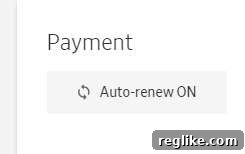
The only recourse, as the website grudgingly informed me, was to pick up the phone and call their customer service. This immediately struck me as an unnecessary hurdle, a blatant attempt to deter cancellations. Upon calling, I was greeted with a frustrating 20-minute hold time. After finally connecting with a representative, our conversation was plagued by persistent phone problems, ultimately leading to a dropped call. The entire ordeal meant I had to endure the process all over again just to cancel a subscription that should have taken a minute online. This kind of experience is not just inconvenient; it’s disrespectful of a customer’s time and highlights a fundamental disregard for their preferences. It firmly cemented my belief: if a business intentionally makes it this difficult to cancel their services, they simply do not deserve my continued patronage in the first place.
The “Roach Motel” Model: A Detriment to Ethical Business
The scenario I faced with the Wall Street Journal is a classic example of the “roach motel” business model. This strategy is built on the premise that if you make it difficult enough for customers to leave, a significant percentage will simply give up, continuing to pay for services they no longer want or need. While this might artificially inflate retention numbers in the short term, its long-term impact on brand loyalty, customer perception, and word-of-mouth reputation is devastating. Businesses employing such tactics often prioritize short-term revenue over the establishment of genuine, lasting relationships with their customer base.
Genuine customer loyalty is earned through exceptional service, transparent pricing, and an overall positive experience that extends from onboarding to offboarding. When a company erects barriers to exit, it signals a lack of confidence in its own value proposition. It suggests that they believe their service isn’t compelling enough to retain customers on its own merits, thus resorting to coercive practices. This approach fosters resentment, not loyalty, and inevitably leads to a decline in customer trust and advocacy.
Why This Principle Is Non-Negotiable for Domain Registrars
The principle of easy exit becomes even more critical when applied to services that underpin your online presence, such as domain name registration. Your domain name is a vital digital asset – it’s your online identity, your brand, and the address for your website and email. Being locked into a difficult-to-leave domain registrar can have far more severe consequences than merely being stuck with an unwanted magazine subscription. It can impact your ability to manage your online assets effectively, respond to market changes, or even recover your digital property in an emergency.
The Crucial Role of Authorization Codes (Auth Codes)
The primary mechanism for transferring a domain name from one registrar to another is the authorization code, often called an Auth Code or EPP Code. This unique alphanumeric key acts as a password, proving ownership and authorizing the transfer. Reputable domain registrars make obtaining these codes a simple, straightforward process – typically accessible directly within your account dashboard, allowing for instant generation and retrieval.
However, some less scrupulous registrars deliberately complicate this process. They might require you to submit a support ticket, engage in lengthy phone calls, or even worse, only allow you to request Auth Codes one domain at a time, often with a waiting period for each request. Imagine owning dozens or even hundreds of domains and needing to transfer them. A “one-by-one” requirement can turn a simple task into an arduous, time-consuming, and potentially costly ordeal. This deliberate friction is designed to discourage transfers, keeping your domains (and your money) captive within their system.
Beyond Auth Codes: Other Registrar Traps
Difficulties aren’t limited to Auth Codes alone. Unethical registrars might also:
- Obscure transfer policies: Making it unclear how to initiate a transfer or what fees might be involved.
- Withhold domains: Creating unnecessary delays or administrative hoops, sometimes even inventing “issues” to prevent transfers.
- Difficult account access: Making it hard to log in, reset passwords, or access account management features, effectively locking you out of managing your own domains.
- Aggressive upsells during transfer attempts: Trying to persuade you to stay with “special offers” when you explicitly want to leave.
- Poor customer support: Slow responses, unhelpful agents, or a lack of channels to address transfer-related queries.
These tactics don’t just create inconvenience; they can put your digital assets at risk. Delays in transfers can lead to missed renewal deadlines, potential domain expiration, and even the loss of your domain to a third party. For businesses, this could mean significant downtime, loss of revenue, and severe damage to their brand credibility.
What to Look for in a Reputable Domain Registrar
Choosing a domain registrar should be about more than just finding the cheapest introductory price. While cost is a factor, the ease of management, quality of support, and, crucially, the simplicity of exit should weigh heavily in your decision. Here’s what to prioritize:
Transparency and User-Friendliness
A good registrar provides a clear, intuitive interface for managing your domains. This includes easy access to all domain settings, clear renewal notifications, and, most importantly, a simple, one-click process for retrieving Auth Codes for single or bulk domain transfers. Look for registrars that pride themselves on a straightforward user experience, not one that requires you to be a tech expert or a detective to manage your own property.
Stellar Customer Support and Transfer Policies
Even with the most user-friendly interface, sometimes you need to speak to a human. A reputable registrar offers responsive, knowledgeable customer support through multiple channels (phone, chat, email). Their transfer policies should be clearly outlined, easy to find on their website, and designed to facilitate smooth transitions, not hinder them. Before committing, take a moment to review their documentation regarding domain transfers. Do they seem to encourage or discourage it?
Avoiding the “Bait and Switch” of Special Pricing
Many registrars offer incredibly low introductory rates to attract new customers. While these can be tempting, always read the fine print. Sometimes, these low prices come with hidden conditions, exorbitant renewal fees, or, as we’ve discussed, a difficult exit strategy. Don’t let a temporary discount trap you into a long-term commitment with a provider that will make your life miserable later on. The peace of mind that comes with knowing you can easily move your digital assets is often worth a slightly higher, but fair, price.
Your Power as a Consumer: Voting with Your Wallet
Ultimately, as consumers, we have immense power to shape the business landscape. By actively choosing to support businesses that prioritize transparency, customer satisfaction, and easy exit strategies, and by shunning those that employ deceptive or restrictive practices, we can drive positive change. Every decision to cancel a frustrating service, to move domains from a problematic registrar, or to recommend an ethical provider sends a clear message to the market.
Don’t be afraid to walk away from a service provider that treats you as a captive audience rather than a valued customer. Your business is a privilege, not a right, for any company. Demand the respect you deserve, and invest your hard-earned money only in companies that reciprocate that respect by offering freedom, flexibility, and a hassle-free experience.
Making an Informed Choice: A Checklist
Before signing up for any online service, especially for critical infrastructure like domain registration, consider this checklist:
- Cancellation/Transfer Policy: Can you easily find information about how to cancel or transfer services? Is it clear and straightforward?
- Customer Reviews: What do other customers say about their cancellation or transfer experiences? Look for feedback specifically on these processes.
- Direct Access to Controls: Are key management functions, like Auth Code retrieval, readily available in your online account?
- Support Availability: Is customer support accessible and responsive, particularly for sensitive issues like account closures or transfers?
- Transparent Pricing: Are renewal rates clearly stated from the outset, without hidden fees or drastic price jumps?
Conclusion: Prioritize Freedom and Control Over Your Digital Assets
The lesson is clear: never do business with registrars or any service providers that make it intentionally difficult to leave. Regardless of any special pricing or introductory offers they might present to win your initial business, if they create hurdles for your exit, they simply do not deserve your loyalty. Prioritize your freedom, control, and peace of mind over short-term savings. Your domain names, like all your digital assets, are too important to be held hostage. Choose providers who respect your autonomy and make managing your online presence as seamless and stress-free as it should be.