ICANN Stakeholder Satisfaction: A Nuanced Look at Persistent Challenges and Future Hopes
The intricate world of internet governance often revolves around the decisions and perceived effectiveness of key organizations like ICANN (Internet Corporation for Assigned Names and Numbers). As the global body responsible for coordinating the unique identifiers that make the internet work, ICANN’s ability to satisfy its vast and diverse stakeholder community is paramount to its legitimacy and ongoing success. Recent insights from the 6th Annual Domain Name Wire Survey offer a revealing, if somewhat mixed, picture of this crucial stakeholder sentiment, indicating a slight upward trend in satisfaction but persistent underlying frustrations.
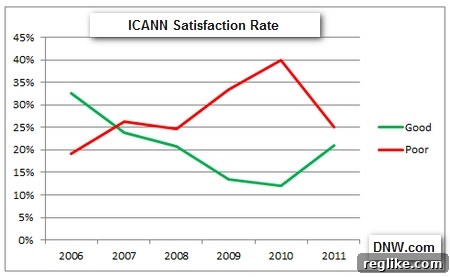
While the latest survey suggests a modest rebound from the deep lows of previous years, the percentage of individuals who rate their satisfaction with ICANN as “Good” still languishes at a dismal 21%. This figure, though an improvement, underscores significant challenges in how ICANN’s policies and processes are perceived by those they impact directly. Conducted at the beginning of the year, this non-scientific but widely participated survey gathered responses from over 1,500 individuals deeply embedded in the domain name industry and internet ecosystem, providing valuable qualitative insights into prevailing sentiments.
The Evolving Landscape of Stakeholder Sentiment
Digging deeper into the numbers, the survey highlights a significant shift in the negative perception of ICANN. The percentage of respondents rating their satisfaction as “poor” has decreased to 25%, a notable improvement from the staggering 40% recorded in 2010. This reversal, while welcome, does not necessarily signify a widespread embrace of ICANN’s current trajectory. Instead, it might suggest a recalibration of expectations or perhaps a slight lessening of acute frustration, rather than a robust endorsement of the organization’s performance. The persistent low “Good” rating indicates that while fewer people are actively dissatisfied, a large majority remain unimpressed or indifferent.
This nuanced outcome likely reflects ongoing processes that, by their very nature, tend to favor those who benefit from delays or a slower pace of change. In a rapidly evolving digital landscape, agility and decisive action are often critical. When governance structures appear to move sluggishly, it can create a disconnect with stakeholders who are operating in dynamic commercial or technological environments. The perception of efficiency, fairness, and responsiveness is crucial for an organization tasked with shaping the future of the internet’s foundational infrastructure.
The New TLD Conundrum: A Source of Widespread Discontent
One of the most significant narratives emerging from the survey, and indeed from the broader domain name community, centers on the protracted debate surrounding new Generic Top-Level Domains (gTLDs). It appears that neither side of this complex discussion is genuinely content with ICANN’s handling of the new TLD program. This bilateral dissatisfaction is a critical indicator of the deep-seated challenges ICANN faces in balancing competing interests and steering complex policy initiatives through consensus-driven models.
On one hand, proponents of new TLDs—including businesses, brands, and innovators eager to establish new digital territories—are increasingly frustrated by the seemingly endless delays. Many have invested significant resources and strategic planning into their applications, only to face a prolonged waiting game. These delays translate into missed opportunities, increased costs, and a stifling of innovation that could otherwise contribute to a more diverse and competitive online environment. The vision of an expanded internet namespace, offering greater choice and specific branding opportunities, feels perpetually out of reach for many who have championed its cause.
Conversely, intellectual property (IP) interests, primarily brand owners and their representatives, harbor concerns that they are not receiving adequate protection within the framework of the new TLD program. Their fears revolve around the potential for increased cybersquatting, trademark infringement, and the prohibitive costs associated with defensively registering domains across a multitude of new extensions. Despite mechanisms designed to address these concerns, such as the Trademark Clearinghouse and various dispute resolution policies, many IP stakeholders feel these measures are insufficient or overly complex, leaving their valuable brands vulnerable in an expanding namespace.
Case Studies in Frustration: .xxx and .jobs
The struggles to finally “approve” specific TLDs serve as potent examples of ICANN’s challenges in navigating contentious issues. The saga of the .xxx domain, intended for adult content, has been particularly challenging. Its approval process was mired in years of debate, legal challenges, and ethical considerations, reflecting the difficulties ICANN faces when policy intersects with social, moral, and political sensitivities. The extended back-and-forth over .xxx not only consumed vast amounts of organizational resources but also contributed to a perception of indecisiveness and an inability to swiftly resolve complex policy dilemmas.
Adding to this perception of inconsistency is the documented “inconsistent treatment of .jobs.” Such disparities in how different TLD applications or existing TLDs are managed can severely erode trust and predictability. Stakeholders rely on clear, consistent policies and transparent processes. When these appear to vary from one case to another without clear justification, it breeds uncertainty, frustration, and a sense of unfairness among those directly impacted. This lack of predictable governance can undermine the very foundation of ICANN’s role as a neutral and equitable coordinator of internet resources.
Looking Ahead: Will New TLD Approvals Boost Satisfaction?
A crucial question that naturally arises from these survey results and ongoing debates is: Will satisfaction levels within the ICANN community improve once new TLDs are finally approved and launched? The answer is likely multifaceted and dependent on several factors.
The eventual rollout of new TLDs could certainly alleviate some of the frustration felt by proponents, potentially leading to a bump in positive sentiment. Seeing their long-awaited applications come to fruition would undoubtedly be a relief and a sign of progress. However, the manner in which these TLDs are rolled out, the effectiveness of associated protective mechanisms for IP holders, and the overall stability of the new namespace will also play a significant role. If the launch is plagued by technical issues, or if IP concerns escalate post-launch, it could simply shift the locus of dissatisfaction rather than resolve it.
Moreover, the journey towards improved satisfaction isn’t solely about the new TLD program. It encompasses ICANN’s broader governance structure, its transparency, accountability, and its capacity to engage meaningfully with its diverse global stakeholders. For ICANN to achieve truly widespread “Good” satisfaction ratings, it must demonstrate consistent effectiveness across all its mandates, fostering an environment of trust and mutual respect.
The recent survey, while showing a slight positive shift, serves as a vital reminder that ICANN’s work is far from complete. The challenges are complex, the interests are varied, and the stakes for the future of the internet are incredibly high. Continuous engagement, responsive policy development, and a steadfast commitment to transparent and equitable governance will be essential for ICANN to earn higher marks from its stakeholder community in the years to come.
More detailed survey results and analyses are available here.