
Janet Jackson Reclaims Iconic ‘Rhythm Nation 1814’ Domain in UDRP Victory
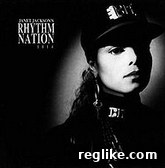 In a significant move for intellectual property rights and celebrity brand management in the digital age, global music icon Janet Jackson has successfully reclaimed ownership of the domain name RhythmNation1814.com. This victory, achieved through a formal arbitration process, solidifies her control over a crucial piece of online real estate directly associated with one of her most acclaimed and influential albums. The acquisition ensures that this iconic title, deeply embedded in music history, is now securely under her digital purview, safeguarding its legacy and preventing unauthorized use.
When Janet Jackson unleashed her groundbreaking album “Rhythm Nation 1814” in 1989, the world was captivated by its innovative sound, powerful social commentary, and visually arresting cinematic music videos. The album spawned a string of chart-topping hits, including “Miss You Much” and “Escapade,” and became a cultural phenomenon. However, in an era before the widespread adoption of the internet, the concept of domain names was virtually non-existent for the general public, let alone a priority for busy recording artists and their management teams. It’s entirely understandable why securing a domain like RhythmNation1814.com wouldn’t have been on their radar during the album’s initial release in the late 1980s.
The “Rhythm Nation 1814” album transcended mere entertainment; it was a profound artistic statement addressing themes of social justice, prejudice, and unity, resonating deeply with audiences worldwide. Its enduring message and continued relevance solidify its place as a landmark achievement in music history, making the associated intellectual property exceptionally valuable. For an album title of such cultural weight and lasting impact, having the corresponding domain name controlled by an unrelated third party represented a potential vulnerability for Janet Jackson’s brand, risking misdirection of fans and dilution of her online identity.
The scenario changed dramatically by 2004, when the internet had evolved into a ubiquitous platform and domain names had become indispensable digital assets for individuals and businesses alike. It was during this period that an unrelated third party registered RhythmNation1814.com. This common occurrence, often referred to as cybersquatting, involves the registration of a domain name that is identical or confusingly similar to a recognized trademark with the intent to profit from its goodwill. Such situations underscore a critical lesson for celebrities and major brands: the vital importance of proactively registering all relevant domain names, including those linked to older works, to safeguard against future disputes and potentially costly legal proceedings.
The consequence of not having secured the domain earlier meant that Janet Jackson’s company was compelled to undertake a formal and often arduous dispute resolution process. Instead of simple ownership, the path to reclaiming the domain involved filing an arbitration case with the National Arbitration Forum, a prominent administrator of disputes under the Uniform Domain-Name Dispute-Resolution Policy (UDRP). The UDRP, an international policy established by ICANN (Internet Corporation for Assigned Names and Numbers), offers a streamlined, efficient, and comparatively economical avenue for resolving domain name conflicts without the need for extensive litigation in traditional courts, particularly in clear-cut cases of cybersquatting.
Janet Jackson’s complaint against the registrant of RhythmNation1814.com was built upon the three essential elements required for a successful UDRP claim. Firstly, the complainant must demonstrate that the domain name is identical or confusingly similar to a trademark or service mark in which they hold rights. For an album as globally renowned and trademarked as “Rhythm Nation 1814,” proving this element was unequivocally straightforward, given its extensive commercial success, critical acclaim, and indelible mark on popular culture. The association between the name and Janet Jackson’s brand is unmistakable and deeply ingrained.
Secondly, the complainant must show that the domain name registrant has no rights or legitimate interests in the domain name. In this instance, it was highly improbable that an unrelated third party would possess any legitimate claim to “Rhythm Nation 1814.” There was no indication of their involvement in the music industry, no pre-existing rights to the brand, and no credible evidence suggesting an intent to use the domain for a genuine non-commercial or fair-use purpose. Thirdly, the complainant must prove that the domain name was registered and is being used in bad faith. The registrant’s subsequent decision not to respond to the arbitration complaint served as a powerful indicator of this bad faith registration and use, often interpreted by UDRP panels as an inability to justify their ownership or demonstrate any legitimate interests, thereby strengthening the complainant’s position.
Given the compelling evidence presented by Janet Jackson’s team and the registrant’s conspicuous lack of a defense, the outcome was entirely predictable. Janet Jackson achieved a decisive victory in her arbitration case (case details available here). The National Arbitration Forum panel ruled unequivocally in her favor, mandating the immediate transfer of RhythmNation1814.com to her company. This resolution not only signifies a triumph for Janet Jackson but also underscores the efficacy of the UDRP system in protecting legitimate trademark holders from opportunistic cybersquatters, ensuring that intellectual property rights are upheld in the digital sphere.
The timing of this domain name reclamation held particular symbolic significance, occurring around the twentieth anniversary of the record’s seminal release. This confluence creates a poignant full circle, allowing the artist to celebrate and preserve the album’s enduring artistry and profound impact with renewed digital control. Securing the domain at this juncture presents an unparalleled opportunity for Jackson’s team to harness the site, potentially as a dedicated historical archive, a commemorative platform, or an engaging hub for future endeavors inspired by this pivotal era of her career. The official online space now provides a direct and authentic channel for fans to interact with the rich legacy of “Rhythm Nation 1814,” free from the uncertainties of unauthorized third-party content.
With RhythmNation1814.com now rightfully in her possession, the possibilities for its future use are both diverse and exciting. Janet Jackson could transform it into an immersive official fan portal, offering exclusive behind-the-scenes glimpses, rare interviews, and previously unreleased photographs from the album’s conception and subsequent groundbreaking tour. It could evolve into a comprehensive interactive archive, providing in-depth educational content about the album’s lyrical themes, groundbreaking musical arrangements, and profound cultural footprint, thereby introducing its significance to new generations of listeners. Another compelling application could be a dedicated online store, enabling fans to purchase authentic Rhythm Nation 1814 merchandise, collectibles, and memorabilia directly from a trusted and official source, enhancing brand loyalty and revenue streams.
Alternatively, the domain could be strategically configured to simply redirect to her main official website, thereby streamlining her overall online presence and ensuring that any search queries related to “Rhythm Nation 1814” seamlessly lead users to her primary digital hub. Regardless of the specific strategy chosen, ownership of this iconic domain grants Janet Jackson invaluable control over the narrative surrounding one of her most cherished works. It empowers her to protect her global fanbase from potentially misleading or fraudulent websites and significantly enhance her overall digital footprint. Ultimately, it represents a powerful instrument for fostering ongoing fan engagement and safeguarding her unparalleled artistic legacy for many years to come.
This case serves as an invaluable and potent lesson for all public figures, established brands, and burgeoning companies about the critical and often underestimated importance of proactive domain name management. In a rapidly evolving digital landscape, what might appear to be an inconsequential URL today can swiftly transform into an indispensable piece of intellectual property tomorrow. Investing wisely in robust domain name registration strategies, coupled with continuous monitoring of online brand presence, is paramount for preventing costly future disputes, mitigating the risks of cybersquatting, and protecting hard-earned reputations. For any entity possessing a recognizable name, product, or service, securing corresponding domain names across various extensions should be an indispensable and foundational component of their overarching intellectual property protection strategy.
In conclusion, Janet Jackson’s successful arbitration to reclaim RhythmNation1814.com transcends a mere legal triumph; it stands as a powerful testament to the enduring strength of her brand and the absolute necessity of safeguarding one’s digital identity in an increasingly interconnected and competitive world. It vividly illustrates the persistent challenges artists face in protecting their creative legacy, from the initial spark of creation through decades of continuous technological evolution. With this iconic domain now firmly secured in her hands, the potential avenues for how Janet Jackson will continue to honor, evolve, and expand upon the ‘Rhythm Nation 1814’ legacy are truly limitless, ensuring its revolutionary spirit continues to resonate with both loyal and new fans alike.