
Your essential guide to ensuring safety en route to ICANN’s crucial meeting in Mexico City.
As the global internet community prepares to convene in Mexico City for the highly anticipated ICANN meeting, the focus naturally shifts to connectivity, policy, and the future of the internet. However, an equally critical aspect for many attendees is ensuring their personal safety and security in an unfamiliar environment. While Mexico City is a vibrant metropolis brimming with cultural richness and countless attractions, it’s prudent for all international travelers to be well-informed and take proactive measures to mitigate potential risks during their stay.
I’ve previously addressed the general security situation in Mexico, highlighting areas that warrant caution. With the upcoming ICANN event attracting a significant number of industry professionals from around the globe, I felt it was imperative to provide updated, practical, and actionable advice tailored specifically for attendees. To compile the most relevant and up-to-date recommendations, I reached out to former colleagues and seasoned travelers who frequently visit Mexico City for business. Their insights, drawn from extensive personal experience, offer a balanced perspective ranging from heightened caution to smart, informed vigilance.
The collective sentiment gathered from these experts isn’t one of panic but rather informed preparedness. It underscores the importance of being aware of one’s surroundings and making intelligent choices throughout your trip. This guide synthesizes their valuable responses, aiming to equip you with pragmatic tips to navigate your journey to and from the ICANN meeting safely and confidently. It’s not about overreacting, but about being equipped with knowledge that can make a real difference in your overall travel experience, allowing you to focus on the meeting’s objectives without undue worry.
It’s important to acknowledge that the security landscape in any large metropolitan area can be fluid. Many of my friends and contacts from Mexico currently advise maintaining a certain distance or exercising extra vigilance in specific situations. For those seeking detailed background information on recent events and the broader security context, a quick review of news reports can provide valuable context. Consider these sources for a broader understanding of the security situation: CNN, NPR, Dallas News, BBC, Daily Texan, and Stratfor.
Navigating Mexico City Safely: Essential Security Guidelines for ICANN Attendees
Based on the experiences shared by frequent travelers, one of the most significant points of vulnerability for visitors in Mexico City often occurs during transit, specifically when using taxis for transfers between the airport, hotels, and meeting venues. This crucial segment of your journey requires particular attention and adherence to specific safety protocols. Here’s a comprehensive look at how to ensure your taxi rides are as safe and secure as possible:
Taxi Safety Essentials for Seamless Transit
- Prioritize Authorized Taxi Services: Perhaps the most critical piece of advice is to never hail a cab directly from the street. Street-hailed taxis can sometimes be unregulated, lack proper identification, and may pose significant risks, including inflated fares or more serious security concerns. Instead, always opt for authorized taxi services.
- Utilize Official Airport and Hotel Cabs: Upon arrival at Mexico City International Airport, look for official taxi booths located inside the terminal. These provide a secure and pre-paid service, ensuring fair pricing and legitimate vehicles. Similarly, when departing from your hotel or a reputable restaurant, always ask the staff to call a trusted and established taxi service for you. They often have long-standing relationships with reliable companies and can vouch for the drivers.
- Always Authenticate Your Driver and Vehicle: When a taxi arrives, take a moment to ensure that the person who called it for you (e.g., hotel concierge) authenticates the driver and confirms it is indeed the specific car they dispatched. Verify the license plate number if possible. This simple yet vital step can prevent you from getting into an unauthorized vehicle or one that isn’t intended for you.
- Consider Sitting in the Front Seat: One seasoned traveler shared, “I always sit in the front seat with taxi drivers.” This approach can subtly make you appear less like a typical, vulnerable tourist and more engaged with your surroundings and the driver, potentially deterring opportunistic individuals. It also facilitates clearer communication, should you need to give directions or discuss the route.
- Hire for Extended Periods for Enhanced Security: For added convenience and security, especially if you have multiple stops planned or concerns about late-night returns, consider hiring a trusted cab driver for an hourly rate. As one source noted, “For $20/hr a cabbie will wait, so often I’ve paid them to just sit there and read the paper so that I’m sure to have a safe way home.” This strategy ensures consistent, reliable transportation from a driver you’ve already vetted, eliminating the need to find new taxis repeatedly.
- Maintain Vehicle Security During Transit: Once inside the cab, immediately lock your doors and keep the windows securely up. Always wear your seatbelt. “Never drive in a car with your windows down. Always lock your door, wear a seat belt, when possible, and keep your body parts inside the vehicle.” This minimizes opportunities for ‘smash and grab’ incidents, where valuables might be snatched from open windows, or other roadside threats.
- Exercise Discretion with Valuables: Be highly discreet with any valuable items you carry. Avoid overtly displaying expensive phones, cameras, laptops, or jewelry. A former colleague recounted a stark reminder: “a sales engineer from one of my previous companies was held up at gun point while in a cab in Mexico City so it’s important to keep your eyes open and not have a bunch of flashy stuff on you when you are away from the hotels.” Keep high-value items out of sight, ideally in an interior pocket or a secure bag that is not easily accessible from the outside.
The overarching message here is clear: prioritize vigilance when using taxis and always opt for officially sanctioned and trusted services. Whenever possible, travel with a companion, especially during evening hours, to enhance your collective safety and reduce your individual vulnerability.
General Personal Security Tips for a Secure ICANN Experience
Beyond the specifics of taxi safety, a broader approach to personal security involves adjusting your demeanor, appearance, and overall awareness while navigating Mexico City. These tips are designed to help you blend in, reduce your profile as a potential target, and maintain control of your situation, allowing you to focus on the ICANN meeting without unnecessary distractions or worries:
Blending In and Reducing Your Visible Profile
- Dress Discreetly and Avoid Flashy Attire: “Travel with locals…Dress casual, no flashy watches, jewelry. I wear jeans as much as possible…just try to be as cool and confident as possible, no cameras or unneeded conversation… look like you belong, not a tourist.” Avoid anything that overtly identifies you as a tourist or someone carrying significant wealth. Bright, brand-new athletic wear, expensive watches, prominent jewelry, and large camera equipment can make you stand out. Opt for understated, comfortable clothing that doesn’t draw attention. Interestingly, suits are very common in Mexico City’s business districts, so wearing business attire during conference hours can actually help you blend in with the local professional crowd. “Tone down your dress. Don’t wear bright sneakers and bright socks. Don’t wear around a tux. Suits are very common, especially in the business areas, so they’re a great way of blending in with the crowd.”
- Cultivate Strong Situational Awareness: Be constantly aware of your immediate surroundings. Avoid being overly engrossed in your phone, maps, or looking disoriented. Project confidence and purpose, even if you’re unsure of your exact location. A confident demeanor can deter potential opportunists.
- Minimize Distractions and Engagements: Limit unnecessary conversations with strangers, especially those who approach you on the street offering unsolicited services or goods. Keep headphones out or at a low volume to ensure you can hear what’s happening around you and respond to any immediate threats or alerts.
- Travel with Companions When Possible: If feasible, especially when venturing out at night or to less familiar areas, always travel with at least one other person. There is undeniable safety in numbers, and a companion can offer an extra set of eyes and support in an unfamiliar environment.
Strategic Movement and Navigation in the City
- Familiarize Yourself with Your Route Beforehand: “Carry a map and familiarize with route and landmarks to and from location before heading out. Make mental note of distance and time it would take to get to destination.” Before leaving your hotel or meeting venue, review your intended route on a map (whether physical or digital). Understand key landmarks, estimated travel times, and potential alternative paths. This preparation prevents you from appearing lost or indecisive, which can unfortunately attract unwanted attention.
- Identify and Avoid Potential Observers: “Watch for observers idling about hotels and places with lots of tourists.” Be mindful of individuals who seem to be loitering without clear purpose, especially near tourist hotspots, hotel entrances, or ATMs. Trust your instincts if something feels off; if you feel you are being watched or followed, change your route immediately or enter a secure, populated location like a shop or restaurant.
- Leverage Local Knowledge Where Available: If you have the option, “Move around the city with someone local to Mexico city and who is fluent in the local dialect.” A local guide or acquaintance can provide invaluable insights into safe routes, cultural nuances, efficient navigation, and can help you avoid less safe or problematic areas. Even if you speak Spanish, an accent can sometimes give you away as a foreigner.
- Understand Daytime vs. Nighttime Travel Risks: “Walking around during the daytime is fine. Everyone does it. However, be cautious at night and never walk alone, if you have to.” While many areas of Mexico City are generally safe and bustling during the day, nighttime introduces increased risks. If you must be out after dark, stick to well-lit, populated areas, and ideally travel in a group or use trusted transportation services.
- Familiarize Yourself with Known Safe Zones: Areas like Downtown and Santa Fe are generally considered safe for walking, particularly during the day, especially in business and cultural centers. Chapultepec Park also offers “outstanding, safe running trails” and is a world-class green space and zoo. These areas are typically well-known and frequented, and drivers can easily navigate to them.
Responding to Potential Threats and Engaging with Locals
- Prioritize Your Safety Over Material Possessions: “I know this may seem paranoid, but these are some basic precautions. If they are going to target you assume they will. And part with the belongings quickly rather than antagonize the attacker leading to further harm. Just not worth it fighting back. Walk away from the assailant and do not try to follow – there are always accomplices. Get back to a secure location before calling for help.” In the unfortunate and rare event of a robbery or mugging, it is crucial to surrender your valuables immediately and without resistance. Your life and well-being are infinitely more valuable than any material possession. Do not engage in a confrontation, argue, or attempt to pursue an assailant. Disengage quickly and move to a safe, populated area before seeking help or reporting the incident.
- Avoid Charitable Gestures on the Street: “Do not give money to the homeless and do not buy from them. Sadly, charity makes you stand out as an “estranjero” (foreigner) and could make you a target.” While charitable instincts are commendable, directly engaging with street vendors or individuals soliciting money can inadvertently identify you as a foreigner carrying cash, potentially making you a target for others. If you wish to donate, consider doing so through established local charities or humanitarian organizations.
Embracing Vigilance and Preparedness for a Successful ICANN Meeting
While some colleagues, especially those fluent in Spanish and deeply familiar with Mexico City, adopt a “be smart but don’t sweat the small stuff” attitude, it’s universally agreed that smart vigilance and adherence to common-sense precautions are key. Knowing the local language is undoubtedly an advantage, as it enhances communication and helps with blending in. However, even non-Spanish speaking visitors can have a safe and productive trip by conscientiously adhering to these guidelines and remaining aware of their surroundings.
We are currently compiling additional tips and insights from an individual who travels extensively to Mexico City with a dedicated security detail. His experiences and recommendations are expected to provide an even more granular level of advice, focusing on advanced security measures and planning. This post will be updated promptly upon receipt of his recommendations, providing further enhancements to this comprehensive guide.
Ultimately, the aim of this unofficial guide is not to instill fear or deter attendance, but rather to empower you with the knowledge and tools to make informed decisions and ensure a secure, enjoyable, and productive experience at the ICANN meeting. While the vast majority of travelers will undoubtedly navigate their trip without incident, a little preparedness and awareness go a long way in safeguarding your personal security and peace of mind.
Please remember these precautions throughout your stay in Mexico City, and please be careful. Your safety is paramount.
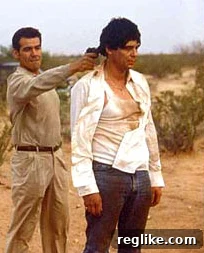
Photo credit: Traffic, USA Films