
Dominating the Digital Frontier: Microsoft’s Strategic Recovery of Xbox Kinect Domain Names
In the vast and ever-evolving digital landscape, a brand’s online identity is as crucial as its physical presence. For global tech giants like Microsoft, safeguarding this identity means relentless vigilance over domain names – the digital addresses that guide customers to their products and services. The case of Microsoft’s Xbox Kinect domain name recovery serves as a compelling testament to the critical importance of robust brand protection strategies in the modern era.
The Genesis of Kinect: A Visionary Product and a Branding Challenge
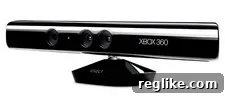
Launched in November 2010, the Microsoft Kinect for Xbox 360 was a revolutionary motion-sensing input device that allowed users to interact with their games and entertainment through gestures and voice commands, without the need for a traditional controller. It was a bold step into the future of interactive entertainment, aiming to democratize gaming and broaden the appeal of the Xbox platform. The innovative technology, which captured real-time 3D motion and facial recognition, quickly gained global attention and became a significant part of Microsoft’s Xbox branding. Such a groundbreaking product naturally attracted immense public interest, but also, unfortunately, the attention of opportunistic domain squatters.
The success and uniqueness of Kinect meant that its brand name became an invaluable asset, deserving of the highest level of protection. However, like many large corporations launching new products, Microsoft faced the challenge of ensuring complete control over its digital footprint, particularly its associated domain names. This often leads to a reactive approach when initial proactive measures fall short, necessitating legal action to reclaim infringed brand assets.
Unpacking the UDRP: Microsoft’s Arsenal for Brand Safeguarding
The Uniform Domain-Name Dispute-Resolution Policy (UDRP) is a crucial mechanism established by the Internet Corporation for Assigned Names and Numbers (ICANN) to combat cybersquatting – the practice of registering, trafficking in, or using a domain name with bad-faith intent to profit from the goodwill of a trademark belonging to someone else. When faced with unauthorized registrations of domain names incorporating their valuable “Kinect” trademark, Microsoft turned to the UDRP process as a swift and effective means of redress.
What is UDRP and How Does it Work?
The UDRP provides an administrative procedure that allows trademark holders to challenge the registration and use of domain names that they believe infringe upon their rights. Unlike traditional litigation, UDRP cases are handled by independent dispute resolution service providers (like the National Arbitration Forum, NAF, or the World Intellectual Property Organization, WIPO) through an online process, making it generally faster and less expensive. A complainant (the trademark holder) files a complaint, and the respondent (the domain name registrant) has an opportunity to reply. A panelist then reviews the evidence and makes a decision, which can result in the transfer or cancellation of the disputed domain name.
The Three Pillars of a Successful UDRP Complaint
For a complainant to succeed in a UDRP case, they must demonstrate three essential elements concerning the disputed domain name:
- Identical or Confusingly Similar: The domain name must be identical or confusingly similar to a trademark in which the complainant has rights. This is often easily established when the domain name directly incorporates the trademark, as was the case with “Kinect.”
- No Legitimate Interest: The respondent must have no rights or legitimate interests in respect of the domain name. Legitimate interests might include making legitimate non-commercial or fair use of the domain name without intent for commercial gain, or being commonly known by the domain name. Simply registering a famous trademark as a domain name generally does not constitute a legitimate interest.
- Registered and Used in Bad Faith: The domain name must have been registered and is being used in bad faith. Examples of bad faith include registering the domain primarily to sell it to the trademark owner for profit, preventing the trademark owner from reflecting the mark in a corresponding domain name, or intentionally attempting to attract internet users for commercial gain by creating a likelihood of confusion.
Microsoft successfully proved these elements in their cases, leading to the recovery of multiple crucial domain names. Their proactive filing of seven UDRP cases at the end of December highlighted their commitment to protecting the Kinect brand from digital infringers.
Microsoft’s Domain Name Strategy: A Blend of Reactive Recovery and Proactive Acquisition
The saga of Microsoft’s Kinect domain recovery illustrates both the strengths and potential weaknesses in even the most sophisticated brand protection strategies. While the company demonstrated formidable legal prowess in reclaiming infringing domains, the circumstances around Kinect.com revealed an interesting nuance in their approach.
The Initial Oversight: Learning from Kinect.com
Perhaps the most noteworthy detail in this series of recoveries was the status of the primary domain, Kinect.com. Surprisingly, at the time Microsoft initiated its UDRP filings against other Kinect-related domains, it did not actually own Kinect.com. This core domain was initially held by a marketing group. It was only after filing its UDRP cases that Microsoft subsequently purchased Kinect.com. This scenario underscores a critical lesson for businesses: securing core brand domains *before* a product launch is paramount. While reactive measures like UDRP are effective, they consume resources and time that could be better spent on marketing and product development. An oversight like this, even for a company as resource-rich as Microsoft, highlights the complexities of managing a vast digital portfolio.
Triumph Through UDRP: Recovering Key Kinect Domains
Despite the initial gap with Kinect.com, Microsoft’s determination to consolidate its digital presence for the Xbox Kinect brand was unwavering. Rulings in four of their UDRP cases were swift and decisive, all in Microsoft’s favor. These victories were crucial for establishing comprehensive control over the brand’s digital identity. The recovered domains included:
- wwwKinect.com: This domain represented a classic typo-squatting scenario. Typo-squatting involves registering domain names that are slight misspellings or typographical errors of well-known trademarks, intending to capture traffic from users who make common typing mistakes. The decision for wwwKinect.com was a clear victory against such deceptive practices.
- MicrosoftKinect.com: A direct combination of the company’s name and the product, this domain clearly capitalized on Microsoft’s established brand equity. Its recovery was essential to prevent potential confusion or exploitation.
- KinectGameStore.com: This domain suggested an official affiliation with a gaming marketplace, potentially misleading consumers and diverting traffic from legitimate channels. Its reclamation prevented unauthorized commercial exploitation of the Kinect name.
- KinectWorld.com: Similar to KinectGameStore.com, this domain hinted at an official community or hub, which could have been used to host unofficial content or mislead users about its authenticity.
- KinectPeople.com: This domain had the potential to suggest a community or social aspect related to the Kinect brand, further emphasizing the need for Microsoft to control all facets of its brand’s online representation.
The successful recovery of these domains sent a clear message: Microsoft was serious about protecting its intellectual property and would not tolerate cybersquatting, regardless of the domain name’s specific configuration.
Lessons for Businesses: Fortifying Your Digital Presence from Day One
The Microsoft Kinect domain recovery saga provides invaluable insights for businesses of all sizes contemplating a new product launch or seeking to reinforce their existing brand’s digital fortress. The digital realm is unforgiving, and a robust, proactive domain name strategy is no longer a luxury but a necessity.
Why Proactive Domain Acquisition is Paramount
The most significant takeaway is the immense value of proactive domain name acquisition. Before any product or service with a new name is officially announced, companies should secure all relevant top-level domains (TLDs) – not just .com, but also key country-code TLDs (ccTLDs) and new gTLDs where appropriate. This includes securing exact matches, common misspellings (typo-squatting targets), and variations that might include the company name (e.g., [Company][Product].com). The cost of acquiring these domains upfront is typically minuscule compared to the legal fees and reputational damage incurred during a UDRP dispute or the purchase of an inflated domain from a speculative holder. Proactive acquisition ensures brand consistency, prevents consumer confusion, and directs all relevant traffic to official channels, thereby maximizing marketing efforts and sales potential.
The Cost of Neglecting Brand Protection
While Microsoft ultimately succeeded, the fact that they had to resort to UDRP for multiple domains, and even purchase their primary brand domain post-launch, underscores the potential costs of neglecting comprehensive brand protection. These costs aren’t just financial, although legal battles and domain acquisitions can be expensive. They also include:
- Brand Dilution: Unofficial or infringing domains can dilute the official brand message and confuse consumers.
- Loss of Trust: Users encountering unofficial sites might question the brand’s authenticity or security, eroding trust.
- Diversion of Traffic and Revenue: Cybersquatters often park domains with ads or redirect traffic, siphoning potential customers and revenue away from the legitimate site.
- Reputational Damage: If infringing sites host malicious content or negative reviews, the brand’s reputation can suffer unfairly.
Microsoft’s swift action mitigated these risks, but smaller businesses might find themselves in a much more precarious position without the resources to fight such battles.
Warnings for Domain Speculators: Navigating the Trademark Waters
For individuals or entities engaged in domain name investing or speculation, the Microsoft Kinect cases serve as a powerful cautionary tale. While legitimate domain investing (buying and selling generic or descriptive domain names) is a recognized practice, crossing the line into cybersquatting by registering trademarked names can lead to severe consequences.
Understanding “Bad Faith” and Cybersquatting
The UDRP policy is specifically designed to target “bad faith” registrations. As demonstrated by Microsoft’s victories, factors such as merely parking a domain that contains a protected trademark, offering it for sale at an inflated price to the trademark owner, or using it to host pay-per-click ads that profit from the trademark’s goodwill, are often cited as evidence of bad faith. Ignorance of a trademark is rarely a successful defense, especially when dealing with globally recognized brands like Microsoft and products like Xbox Kinect. Domain investors must conduct due diligence, researching trademarks thoroughly before registering names, to avoid legal disputes and potential financial losses.
The Risks of Holding Trademarked Domains
Those who choose to hold domain names that incorporate established trademarks do so at their own peril. The outcome of Microsoft’s UDRP cases reinforces that trademark holders have powerful legal recourse. When a complaint is filed and a panelist rules in favor of the trademark owner, the domain name can be transferred or canceled without compensation to the registrant. This means not only losing the domain but also potentially incurring legal costs if the case is particularly contentious. The “consider yourself forewarned” sentiment from the original article remains profoundly relevant: if you own domain names containing prominent trademarks like “Kinect,” especially if they are parked or offered for sale, you are likely operating in a high-risk zone and may face action from the rightful trademark owner.
The Lasting Legacy: Kinect and the Evolving Digital Landscape
While the Xbox Kinect eventually evolved and was phased out as a standalone product, its legacy continues to influence motion-sensing technology and user interfaces. Even for products that reach the end of their lifecycle, the importance of controlling associated domain names often remains. Discontinued products can still have dedicated fan bases, support pages, or historical archives. Maintaining control over their digital presence ensures that users are always directed to official information, preventing confusion and preserving the brand’s historical integrity.
Microsoft’s efforts to secure its Kinect domains back in 2010-2011 laid a strong foundation for the brand’s digital presence during its peak. It demonstrated an early understanding of the multifaceted nature of brand protection in the digital age, where proactive measures are ideal, but robust reactive legal strategies are indispensable.
Conclusion: A Blueprint for Digital Brand Safeguarding
The Microsoft Xbox Kinect domain recovery cases offer a compelling blueprint for how brands must navigate the complexities of the digital realm. They highlight that brand protection is an ongoing, multi-faceted endeavor that combines foresight in domain acquisition with assertive legal action through mechanisms like UDRP. For businesses, the lesson is clear: invest proactively in securing your digital identity, encompassing not just your core brand but also common variations and potential cybersquatting targets. For domain owners, the warning is equally explicit: respect intellectual property rights and avoid the pitfalls of bad-faith registration. In an internet-driven world, control over your domain names is synonymous with control over your brand’s destiny, ensuring that your digital presence remains secure, authentic, and unequivocally yours.