
Scratch.org Domain Name Transferred to Non-Profit After Lengthy Cybersquatting Dispute Settlement
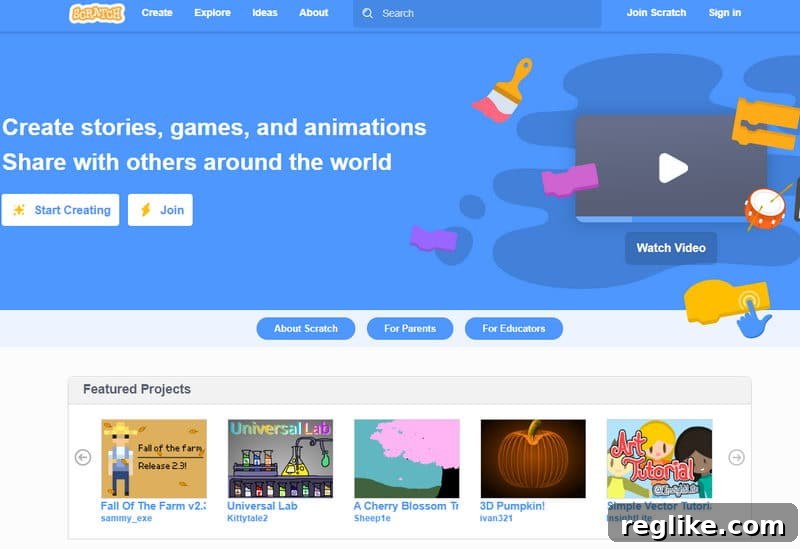
In a significant resolution for the online educational community, the Scratch Foundation has successfully concluded a cybersquatting lawsuit, leading to the transfer of the highly coveted Scratch.org domain name. This legal victory marks the end of a protracted dispute with the domain’s previous registrant, Ravi Lahoti, solidifying the non-profit’s control over a crucial digital asset that aligns perfectly with its mission.
While the full specifics of the settlement remain confidential, the cornerstone of the agreement involved the immediate transfer of Scratch.org to the Scratch Foundation. This vital domain now automatically forwards visitors to the foundation’s primary online hub, scratch.mit.edu, ensuring that users seeking the popular visual programming language are directed to the official and authoritative source. This outcome underscores the increasing importance of domain name protection for non-profit organizations and educational initiatives in safeguarding their brand identity and user trust.
The Significance of Scratch and Its Brand Identity
Scratch, developed by the Lifelong Kindergarten Group at the MIT Media Lab, is a free visual programming language and online community designed to help children and beginners learn to code. Its mission is to enable young people to think creatively, reason systematically, and work collaboratively – essential skills for life in the 21st century. The platform boasts millions of users worldwide, making it a cornerstone of accessible computer science education. For an organization with such a broad global reach and a clear educational mandate, a domain name like Scratch.org is not just a web address; it’s a vital part of its brand, its credibility, and its connection with its community.
The “.org” top-level domain (TLD) is traditionally associated with non-profit organizations, charities, and educational institutions. For the Scratch Foundation, owning Scratch.org would naturally convey its non-commercial, public-service mission, distinguishing it from potential commercial entities and reinforcing its identity as a trusted educational resource. The absence of this domain created confusion and potential risks for its users, making its acquisition a strategic imperative for the foundation.
Understanding the Cybersquatting Lawsuit and the ACPA
The dispute centered around allegations of cybersquatting, a practice where an individual registers, traffics in, or uses a domain name with bad-faith intent to profit from the goodwill of a trademark belonging to someone else. The primary legal tool used to combat this in the United States is the Anticybersquatting Consumer Protection Act (ACPA). The ACPA aims to protect trademark owners from individuals who register domain names that are identical or confusingly similar to distinctive or famous trademarks, particularly when done with a “bad-faith intent to profit” from that trademark.
A unique aspect of this case was that Ravi Lahoti had registered the Scratch.org domain name well before the Scratch Foundation officially existed as a distinct entity. This pre-existence of the registration could, under certain interpretations, complicate a straightforward ACPA claim, as one of the act’s elements often involves the domain being registered *after* the trademark gained distinctiveness. However, the ACPA’s “bad-faith intent” can also be inferred from actions taken *after* registration, particularly if the registrant attempts to sell the domain at an exorbitant price or uses it in a manner that exploits the trademark’s reputation or causes confusion.
A Protracted Negotiation and a Failed Settlement
The path to resolution was anything but smooth. Initial attempts to settle the matter outside of protracted litigation had reportedly fallen apart. Earlier in the dispute, there were discussions that could have seen the domain name transferred to the Scratch Foundation for a sum of $20,000. However, for reasons not fully detailed, that settlement ultimately failed to materialize. This breakdown meant that the parties had to continue with the litigation process, incurring further legal costs and prolonging the uncertainty surrounding the domain’s ownership.
The failure of the initial settlement highlighted the complexities inherent in domain name disputes, especially when significant financial expectations and legal interpretations clash. It demonstrated that even with a clear need for resolution, reaching mutually agreeable terms can be a challenging endeavor, often requiring external pressure or significant strategic shifts from one or both parties.
Judicial Intervention: The Hammer Drops
The turning point in the legal battle came when the judge overseeing the case took decisive action. Following the collapse of the prior settlement talks, the court issued a compelling order that significantly ramped up the pressure on Lahoti. The judge mandated that Lahoti provide an extensive disclosure of his domain name activities. This included a comprehensive list of all domain names he had ever owned, detailed financial information on how much money he had generated from each of these domains, and any allegations or claims of trademark infringement that had ever been made against him in relation to his domain portfolio.
Crucially, the judge stipulated that this extensive and potentially sensitive information would be made public. This judicial order was a strategic maneuver designed to incentivize a settlement. The prospect of having his entire history of domain registrations, financial dealings, and past legal troubles openly exposed in the public record undoubtedly created immense pressure on Lahoti. It suggested that the court viewed Lahoti’s alleged prior behavior with disapproval, warranting such a severe and transparent request for data, even if the initial registration itself predated the Foundation.
The direct impact of this judicial directive was immediate and effective. The threat of such comprehensive public disclosure, which could have significant implications for Lahoti’s future domain investing activities and reputation, evidently compelled him to return to the negotiating table with renewed urgency. This powerful intervention by the court served as a catalyst, pushing both parties towards a definitive resolution and preventing further prolonged litigation.
The Final Resolution and Its Implications
The final settlement, driven by the intense pressure from the court’s order, resulted in the transfer of Scratch.org to the Scratch Foundation. This outcome represents a clear victory for the non-profit, securing its digital footprint and protecting its brand integrity. For the countless students, educators, and creators who rely on Scratch, this means a clearer, more secure pathway to the official platform, free from potential confusion or misdirection.
An interesting detail of the settlement notice is that both parties have agreed to pay their own legal fees in the matter. This suggests a mutual desire to put the dispute behind them without further financial demands on each other, perhaps a common compromise when a domain transfer is the primary objective of the trademark owner. While the foundation achieved its goal of acquiring the domain, it did so by bearing its own substantial legal costs, highlighting the expense involved in protecting intellectual property rights in the digital age.
Lessons for Non-Profits and Domain Owners
This case offers several valuable lessons. For non-profit organizations and educational initiatives, it underscores the critical importance of proactive domain name strategy and vigilant brand monitoring. Securing essential domain names, particularly those with popular TLDs like .org, .com, or country-specific extensions, should be a priority from the outset to prevent costly and time-consuming disputes later on. Even if an organization does not initially have a registered trademark, establishing clear common law rights through use and taking steps to register formal trademarks can strengthen its position.
For domain registrants, the Scratch.org case serves as a stark reminder of the risks associated with holding domain names that are identical or highly similar to emerging or established brands, even if the initial registration predates the brand’s formal existence. While an early registration might initially offer a defense against ACPA claims, subsequent actions—such as attempts to sell at inflated prices, failure to use the domain legitimately, or any efforts to exploit a brand’s goodwill—can be interpreted as “bad faith intent to profit” by a court. The judge’s order for public disclosure of Lahoti’s entire domain portfolio demonstrates the serious consequences that can arise from perceived inappropriate domain ownership practices.
Conclusion: A Win for Digital Education
The successful transfer of Scratch.org to the Scratch Foundation is more than just a legal victory; it’s a significant win for digital education and brand protection. It ensures that the millions of users who engage with Scratch worldwide can reliably access the official platform, fostering a safer and more cohesive learning environment. This resolution reinforces the principle that foundational online assets like domain names are integral to an organization’s mission and identity, particularly for those dedicated to public good. The case also highlights the powerful role of judicial oversight in resolving complex intellectual property disputes and encouraging equitable settlements in the ever-evolving landscape of the internet.