
Revolutionizing Mobile Web: Creating .mobi-Compliant Websites with Unprecedented Ease
In an era where the digital landscape is increasingly dominated by mobile devices, the imperative for websites to be flawlessly accessible and highly functional on smartphones and tablets has never been clearer. For premium .mobi domain name owners, a specific challenge once loomed: the stringent compliance requirements and deadlines set for these mobile-specific domains. The thought of navigating complex coding and design principles to meet these standards could be daunting, often leading to procrastination or untapped potential. However, a groundbreaking wave of online site builders emerged, promising to transform this intricate process into a remarkably simple task, allowing anyone to deploy a fully compliant .mobi website in mere minutes, circumventing the traditional hurdles of web development.
The concept of a dedicated .mobi domain marked a significant step towards a mobile-first internet, aiming to provide users with an optimized experience tailored specifically for smaller screens and touch interfaces. Early adopters and investors in these premium domains quickly recognized their potential, but also faced the technical demands of activating them with compliant content. The looming compliance deadlines, which mandated that .mobi domains host genuinely mobile-optimized content, created a pressing need for efficient and user-friendly solutions. Fortunately, innovative platforms stepped up to the plate, offering intuitive tools that democratized mobile web development, turning what was once a developer’s domain into an accessible venture for all.
One such pioneering platform that significantly simplified this process was mobiSiteGalore, an online website builder specifically designed to create .mobi-compliant websites. Initially, the idea of another online builder might not have immediately captured widespread attention, but its unique focus on mobile optimization set it apart. Its evolution was particularly noteworthy, soon allowing users the remarkable convenience of creating and managing their mobile websites directly from their mobile phones. While the concept of building a site on a tiny screen might sound cumbersome to some, it underscored the platform’s commitment to mobile accessibility and its understanding of the “on-the-go” nature of its target users. This innovative approach signaled a paradigm shift, proving that sophisticated web development could indeed be made incredibly simple and portable.
Imagine the ease of older, user-friendly web platforms like Tripod, but specifically tailored and supercharged for the mobile era. That’s essentially what mobiSiteGalore brought to the table for mobile website creation. It meticulously streamlined the entire process, ensuring that the resulting websites were not only compliant with .mobi standards but also universally compatible across a wide spectrum of mobile phones. This commitment to cross-device functionality was crucial, as the mobile device ecosystem was far more fragmented in its early days than it is now. The platform’s intuitive design eliminated the steep learning curve associated with coding or complex content management systems, empowering individuals and businesses to establish a robust mobile presence without needing specialized technical skills or hiring expensive developers.
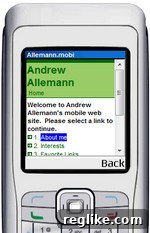
To illustrate just how effortless this process truly was, consider a practical example: the creation of a simple yet fully functional mobile site, Allemann.mobi. From conceptualization to deployment, the entire journey was completed in less than 15 minutes, a feat almost unimaginable with traditional web development methods. This rapid turnaround time wasn’t due to corner-cutting, but rather to the builder’s efficient workflow and user-centric design. The steps involved were logical, straightforward, and required minimal technical intervention, making mobile site creation accessible to anyone with basic computer literacy. This demonstrated a significant leap forward in empowering users to take control of their online mobile presence, proving that high-quality, compliant sites could be launched at speed.
The streamlined process of creating a mobile website using such a builder typically followed these simplified yet comprehensive steps:
- Domain Acquisition: The first logical step involved registering a suitable .mobi domain, such as Allemann.mobi. Platforms often offered competitive pricing, making domain ownership accessible. While this might involve a small initial investment, having a dedicated .mobi address immediately signaled a commitment to a mobile-optimized user experience.
- Hosting Preparation: Provisioning web hosting was the next crucial stage. For those seeking maximum control, dedicated hosting was an option. However, many builders wisely offered the flexibility of hosting the site as a subdomain on a shared service, effectively bypassing the need for separate hosting setup and significantly simplifying the entire process, especially for beginners.
- Platform Account Creation: Registering an account with the online mobile site builder was exceptionally quick and often free. This step served as the gateway to the intuitive development environment, requiring only basic user information to get started. The barrier to entry was consciously kept low to encourage widespread adoption.
- Page Structure Selection: Users could then effortlessly select the types of pages they wished to include on their site. Whether it was an “About Us” section, a “Services” page, a contact form, or a photo gallery, the builder provided pre-designed templates and modules, allowing for rapid structural development without needing to design from scratch. This modular approach accelerated content organization.
- Content Integration with WYSIWYG Editor: The heart of the builder’s ease-of-use was its What You See Is What You Get (WYSIWYG) editor. This visual interface allowed users to insert text, upload images, and arrange elements intuitively, much like using a word processor. Complex coding was completely abstracted away, enabling users to focus solely on their content and how it would appear on mobile devices, ensuring accessibility and visual appeal.
- FTP Information & Publishing: Finally, after crafting the site’s content and design, users simply provided their FTP information (if hosting externally) or confirmed their chosen subdomain setup. With a single click of the “submit” or “publish” button, the mobile website would go live, instantly accessible to mobile users worldwide. This final step, once a technical hurdle, was transformed into a simple, confidence-inspiring action.
This entire sequence underscored the builder’s mission: to democratize mobile web presence. The flexibility to host the site as a subdomain on a shared service was a particularly valuable feature, as it allowed users to skip the initial domain registration and separate hosting setup, making the process even faster and more cost-effective. This option was ideal for those who wanted to experiment with a mobile site or who preferred a quick, no-fuss solution without the overhead of full domain management.
Beyond the fundamental ability to create basic content pages, these mobile site builders often came equipped with a surprisingly robust array of powerful features designed to enhance functionality and engagement. While a simple personal site like Allemann.mobi might only scratch the surface of these capabilities, the potential for growth and advanced integration was significant. For instance, many platforms offered the ability to seamlessly integrate Google News headlines, ensuring that site visitors always had access to fresh, relevant content. This was invaluable for maintaining dynamic sites that kept users returning for updated information.
Moreover, for those looking to monetize their mobile presence, the inclusion of features like Google AdSense integration was a game-changer. This allowed site owners to display targeted advertisements, generating revenue from mobile traffic without complex ad management setups. Businesses, meanwhile, benefited immensely from the ability to incorporate various payment services, transforming their mobile site into a functional e-commerce platform. Whether for selling products, subscriptions, or services, secure payment gateways built directly into the site builder made mobile commerce a tangible reality for small businesses and entrepreneurs alike. Even simpler, but equally crucial, was the ability to easily include a contact form, facilitating direct communication between site visitors and the owner, essential for customer service, inquiries, and lead generation. These features collectively elevated the utility of a mobile site far beyond a mere digital brochure.
A significant attraction of these early mobile site builders was their accessibility, often offering a free tier of service. This approach democratized mobile web creation, allowing anyone to build and launch a functional mobile website without any upfront financial commitment. However, as is common with free services, there was typically a trade-off. For example, sites created on the free tier of mobiSiteGalore would display a subtle message at the bottom, reading: “Like this website? Get one FREE at mobiSiteGalore.com”. While this served as a discreet advertisement for the platform, it could detract slightly from a fully professional brand image.
The hope among many users was that these services would eventually introduce a premium, paid option that allowed for the removal of such advertisements. A subscription model, for instance, could provide users with an ad-free experience, potentially unlock additional features, and offer more customization options, thus catering to users who required a more polished and branded online presence. This tiered approach is a common and effective business model for online tools, balancing accessibility for casual users with advanced options for those with more specific needs and a willingness to invest. Despite the ad, the value proposition of getting a fully compliant and functional mobile website for free was, and remains, incredibly compelling.
For individuals or businesses holding onto .mobi domains that are currently sitting dormant, or for anyone contemplating venturing into the realm of mobile site development, exploring such builders comes highly recommended. These platforms offer an unparalleled opportunity to quickly activate a mobile presence, experiment with content, and understand the nuances of mobile user experience without significant investment or technical expertise. They provide a practical, hands-on way to engage with the mobile web. Observing a live example, such as visiting Allemann.mobi on a mobile phone, clearly demonstrates the simplicity and effectiveness of these tools in creating clean, fast, and highly usable mobile websites. It serves as a testament to how effortlessly a complex task can be distilled into an accessible solution.
In conclusion, the advent of user-friendly online site builders like mobiSiteGalore marked a pivotal moment in the history of mobile web development. They skillfully addressed the critical need for .mobi compliance and paved the way for a more accessible mobile internet. By abstracting away the complexities of coding and hosting, these tools empowered a vast audience to participate in the mobile revolution, making it incredibly easy to create, manage, and monetize mobile-optimized websites. While the specific landscape of mobile web development has evolved significantly with responsive design becoming standard, the foundational principles of ease, speed, and user-centric design championed by these early innovators continue to shape how we build and interact with the digital world on our mobile devices. Their legacy endures in the intuitive platforms that now define modern web creation, reminding us of a time when specialized tools made a world of difference for mobile compliance and accessibility.