
Unlocking Value: A Comprehensive Review of New TLD Pricing Across Leading Domain Registrars
The digital landscape is constantly evolving, and with it, the options for establishing an online presence. While traditional domain extensions like .com and .org have long been the standard, the advent of new Top-Level Domains (TLDs) has revolutionized how businesses and individuals can brand themselves online. These innovative extensions, ranging from industry-specific options like .tech and .shop to more generic ones such as .online and .app, offer unprecedented opportunities for unique branding and targeted marketing. However, navigating the myriad of choices and understanding the pricing structures across various domain registrars can be a daunting task. This article aims to provide an in-depth, SEO-friendly analysis of new TLD pricing, helping you make an informed decision when securing your next digital identity.
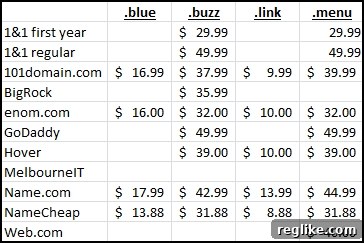
Two months ago, a preliminary price comparison of new TLD options across several prominent registrars was conducted, primarily focusing on the three tiers of domains offered by the registry Donuts. Since then, the market has expanded significantly, with many more domains emerging from various registries beyond Donuts. Recognizing this dynamic shift, a fresh comparison was undertaken, this time concentrating on four non-Donuts domains to capture a broader market perspective. The findings largely echoed previous observations, cementing the reputations of some registrars while revealing areas for improvement in others. Our goal is to dissect these findings, highlighting the best value propositions for both initial registration and long-term ownership.
The Evolving Landscape of New TLDs and Their Importance
New TLDs, often referred to as gTLDs (generic Top-Level Domains), represent a major shift from the limited set of extensions available for decades. Introduced by ICANN (Internet Corporation for Assigned Names and Numbers), these extensions were designed to increase competition, innovation, and consumer choice. Beyond simply offering more domain names, new TLDs allow for greater specificity and branding. For instance, a technology startup might prefer a .tech domain, a photography portfolio could opt for .photography, and an online store would find .shop highly relevant. This specificity not only enhances brand identity but can also improve search engine visibility for niche markets, making a domain name an even more powerful marketing tool.
The registries, such as Donuts, Google, and many others, are responsible for managing these new TLDs. They set the wholesale prices, which registrars then mark up to offer to consumers. This multi-tiered structure means that pricing can vary significantly from one registrar to another, influenced by their business models, promotional strategies, and value-added services. For consumers, this variability underscores the critical importance of conducting thorough research and price comparisons before committing to a purchase. Understanding the difference between a registry and a registrar is fundamental here: the registry owns the extension, while the registrar is the company that sells you the right to use a specific domain name within that extension.
Methodology of Our Pricing Comparison
To provide a robust and relevant comparison, our analysis focused on four distinct non-Donuts new TLDs. The selection aimed to represent a diverse cross-section of available extensions, ensuring our findings were applicable to a wide range of potential domain registrants. The chosen registrars included industry giants and popular budget-friendly options, reflecting the choices most consumers would consider. Data was meticulously collected for both first-year registration fees and, crucially, subsequent renewal rates. This dual focus is vital because while an attractive introductory price might lure customers in, exorbitant renewal fees can quickly diminish any initial savings over the long term. This updated comparison builds upon previous analyses, confirming ongoing trends and uncovering new insights into registrar pricing strategies.
Our commitment to accuracy means that prices were checked on the same day to minimize fluctuations due to dynamic pricing models or flash sales. We also considered any mandatory add-ons or hidden fees that might inflate the advertised price. The aim was to simulate a real-world purchasing scenario as closely as possible, providing a transparent look at what customers can expect to pay. It’s important to note that the domain market is highly competitive, and prices can change rapidly. Therefore, while this article provides a snapshot of current trends and best practices, prospective buyers are always encouraged to perform their own real-time checks.
Spotlight on NameCheap: Consistently Delivering on Its Promise
True to its moniker, NameCheap consistently emerged as a frontrunner in offering competitive pricing across the board for new TLDs. In our latest comparison, NameCheap’s rates proved to be among the lowest for both initial registrations and, significantly, for subsequent renewals. This consistent affordability makes NameCheap an exceptionally attractive option for individuals and businesses operating on a budget, or for those looking to manage multiple domain names without incurring excessive costs. Their transparent pricing model, which clearly displays both first-year and renewal rates, empowers customers to make well-informed decisions without worrying about hidden surprises down the line.
Beyond just low prices, NameCheap’s value proposition extends to its user-friendly interface, comprehensive suite of domain management tools, and highly regarded customer support. Their platform makes it incredibly easy to search for, register, and manage domains, offering features like free WHOIS privacy for the first year, robust DNS management, and seamless integration with other services like web hosting and email. For many users, the combination of affordability, ease of use, and reliable support positions NameCheap as a top-tier choice for securing new TLDs, especially when considering the long-term total cost of ownership. It’s a testament to their business model that they can maintain such competitive pricing while offering a premium user experience.
1&1 IONOS: The Allure of Introductory Offers (with a Catch)
1&1 IONOS (formerly 1&1 Internet) frequently distinguishes itself with aggressive first-year pricing for many new TLDs. For a select range of domains, their initial registration fees can be slightly more attractive than even NameCheap’s, sometimes offering domains for as little as a dollar or two for the first year. This strategy is clearly designed to attract new customers with seemingly unbeatable introductory deals. For short-term projects, temporary websites, or users planning to transfer their domain after the first year, these offers can represent significant initial savings.
However, the crucial caveat lies in their renewal pricing. After the first year, the cost of renewing a domain with 1&1 IONOS typically jumps substantially, often far exceeding the rates offered by competitors like NameCheap. This dramatic increase can make long-term ownership through 1&1 IONOS considerably more expensive. Prospective registrants must carefully weigh the initial savings against the elevated renewal costs. While ideal for those who plan to transfer their domain or only need it for a limited period, those seeking a long-term, stable home for their domain will need to factor in these higher subsequent fees. A common strategy for savvy users is to leverage 1&1’s low first-year price and then transfer the domain to a more cost-effective registrar before the renewal period hits, though this requires active management and awareness of transfer policies and timelines.
Other Registrars: A Mixed Bag of Pricing and Features
Our comparison also touched upon other notable players in the domain registration market, revealing a varied landscape of pricing strategies and user experiences.
- eNom: For users with reseller accounts, eNom often provides competitive rates. The pricing observed for eNom in our comparison reflected a reseller rate, suggesting that direct consumers might encounter different, potentially higher, costs. Reseller programs can be beneficial for web developers or agencies who manage numerous domains for clients, offering wholesale pricing that allows them to mark up services. However, this model isn’t typically geared towards individual consumers registering a single domain.
- GoDaddy: As one of the largest registrars, GoDaddy frequently offers promotional pricing for new TLDs, particularly for the first year. These deals can be attractive, but similar to 1&1 IONOS, their renewal rates often revert to a higher standard price. GoDaddy also excels in offering a wide array of bundled services, including hosting, website builders, and marketing tools, which can be convenient for users seeking an all-in-one solution, though these often come at an additional cost.
- Google Domains: Known for its clean, straightforward interface and transparent pricing, Google Domains often presents competitive, though not always the absolute lowest, pricing for new TLDs. Their strength lies in their no-nonsense approach and the inclusion of features like free WHOIS privacy and easy integration with other Google services. While not always the cheapest, the value derived from simplicity and integration makes them a strong contender for many.
The overall market demonstrates that registrars employ diverse tactics, from aggressive introductory offers to consistent low pricing, and value-added service bundling. Consumers need to look beyond the initial headline price to understand the true cost of ownership.
The Web.com Group (Network Solutions/Register.com): A Case Study in User Experience and Pricing
On the opposite end of the spectrum in terms of user experience and pricing strategy resides the Web.com group, which includes long-standing brands like Network Solutions and Register.com. Our observations highlighted persistent issues that detract significantly from the user experience, particularly for those interested in new TLDs.
First and foremost, finding new TLDs on their platforms remains unnecessarily cumbersome. Unlike most modern registrars that integrate new TLD searches directly into their homepage search bars, Web.com and its affiliates often require users to navigate to a separate, dedicated page specifically for new TLDs. This adds friction to the discovery process and can be frustrating for users accustomed to a more streamlined experience.
Secondly, their pricing strategy for new TLDs continues to be remarkably static and high, typically around $40 across the board, irrespective of the specific extension or market demand. This fixed, premium price point positions them as significantly less competitive than other registrars, particularly for new TLDs where lower introductory offers are common. While these legacy registrars might appeal to long-time customers or those seeking bundled services, their pricing for standalone new TLDs is often prohibitive for budget-conscious buyers.
Furthermore, practical issues with availability were observed. For instance, while their site might list a TLD like .buzz as an option, searches for specific domains under this extension consistently returned an “unavailable” status, even for names that were clearly available elsewhere. Such discrepancies not only undermine user trust but also waste valuable time for prospective registrants. These combined factors make the Web.com group a less optimal choice for those actively exploring and registering new TLDs, especially when seeking competitive pricing and a smooth user journey. Their model seems less adapted to the dynamic and price-sensitive new TLD market.
Key Factors Beyond Initial Price in Domain Registration
While price is undoubtedly a primary consideration when registering a new TLD, smart domain acquisition involves evaluating several other critical factors that contribute to the overall value and long-term satisfaction. Overlooking these aspects can lead to unexpected costs, inconveniences, or limitations down the line.
- Renewal Pricing Transparency: As highlighted with 1&1 IONOS, a low initial price can mask significantly higher renewal fees. Always check the long-term cost of ownership. A registrar that offers consistent, competitive renewal rates, like NameCheap, often provides better value over multiple years.
- Hidden Fees and Upsells: Be wary of registrars that offer very low initial prices but then push numerous add-ons (WHOIS privacy, premium DNS, email hosting, SSL certificates) during the checkout process. While some of these services are valuable, ensure you understand what’s included and what’s extra. A registrar with transparent, all-inclusive pricing for essential services is often preferable.
- User Interface and Experience (UI/UX): A clean, intuitive dashboard makes managing your domains effortless. Look for easy navigation for DNS settings, domain forwarding, transfer options, and billing. A clunky or confusing interface, like those observed with Web.com, can lead to frustration and wasted time.
- Customer Support: Reliable customer support is invaluable, especially if you encounter technical issues or need assistance with domain transfers. Assess the availability of support channels (phone, chat, email), response times, and the quality of assistance. Reviews from other users can provide insight into a registrar’s support quality.
- Domain Management Tools: Beyond basic registration, consider the range of tools provided. Features like advanced DNS management, bulk domain management, sub-domain creation, and integrated email forwarding can significantly enhance the utility of your domain.
- Bundled Services: Many registrars offer hosting, website builders, and email services alongside domain registration. While convenient, evaluate if these bundled services genuinely meet your needs and if their quality and price are competitive compared to standalone providers. Sometimes, it’s better to choose best-of-breed providers for each service separately.
- Transfer Policy: Understand the process and costs associated with transferring a domain to another registrar. A straightforward and affordable transfer process provides flexibility and protects you from being locked into a registrar with escalating renewal fees.
By considering these factors holistically, you can make a more strategic decision that aligns with your long-term online presence goals and budget.
Tips for Smart Domain Registration in the New TLD Era
Registering a domain, especially a new TLD, can be a strategic move for your online identity. Here are some actionable tips to ensure you make the best choice:
- Always Compare Multiple Registrars: Never settle for the first price you see. Use comparison tools or manually check rates across 3-5 top registrars for both first-year and renewal prices.
- Prioritize Renewal Rates: Unless you plan a very short-term project, the renewal rate will be your long-term cost. Factor this into your decision more heavily than the introductory offer.
- Read the Fine Print: Understand terms and conditions, especially regarding auto-renewal, refund policies, and any included vs. optional services.
- Consider Your Long-Term Needs: If you foresee needing web hosting, email, or a website builder, evaluate registrars that offer reliable bundles, but ensure the quality and cost of these extras are justified.
- Value User Experience: A smooth and intuitive management panel can save you headaches in the future. Check screenshots or user reviews of the registrar’s dashboard.
- Check for Promo Codes: Before finalizing a purchase, do a quick online search for promo codes for your chosen registrar. Many offer discounts for first-time registrations.
- Understand Registrar Reputation: Look for reviews regarding reliability, uptime, and customer service. A registrar with a solid reputation is crucial for the security and stability of your domain.
- Don’t Rush Your Decision: Take your time to research. While domain names can be snatched quickly, thoughtful consideration can prevent costly mistakes.
Conclusion: Navigating the New TLD Market for Optimal Value
The market for new Top-Level Domains is a vibrant and expanding frontier, offering unparalleled opportunities for unique online identities. However, securing the best value requires a diligent and informed approach to pricing comparisons across various registrars. Our comprehensive analysis underscores several key takeaways for prospective domain owners.
NameCheap continues to live up to its name, consistently offering competitive pricing for new TLDs, making it an excellent choice for those seeking predictable and affordable long-term ownership. Its combination of low initial and renewal rates, coupled with a user-friendly interface and robust support, establishes it as a strong contender for virtually any user. 1&1 IONOS, on the other hand, presents an attractive proposition for initial registrations with aggressive first-year discounts. However, its significantly higher renewal rates necessitate careful planning for long-term budget management, making it ideal for short-term projects or users willing to transfer their domains proactively. Conversely, the Web.com group (Network Solutions/Register.com) struggles with both an outdated user experience and notably high, static pricing, making it a less competitive option for new TLDs.
Beyond the headline price, factors such as transparent renewal pricing, the absence of hidden fees, a seamless user interface, and reliable customer support are paramount to a positive domain ownership experience. By adopting a holistic perspective and considering these multifaceted elements, individuals and businesses can confidently navigate the dynamic new TLD market. As the digital world continues to evolve, understanding these nuances will empower you to choose a registrar and a domain that not only fits your budget but also serves as a strong foundation for your online presence for years to come. Remember, the cheapest option upfront isn’t always the most cost-effective in the long run. Strategic planning and thorough research are your best allies in the quest for optimal domain value.