
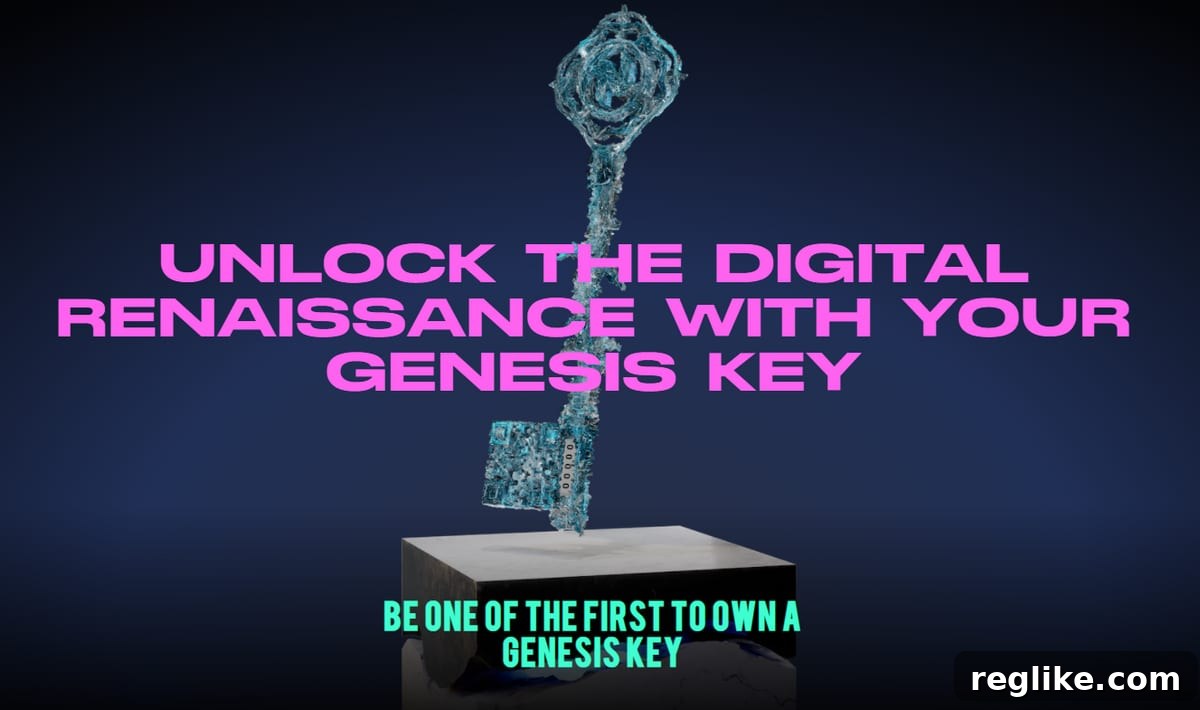
NFT.com, long anticipated as a premier destination for digital assets, has officially launched its platform, promising to redefine the landscape of non-fungible tokens as a comprehensive “hub and marketplace.”
NFT.com Launches: A New Era for Digital Collectibles and Community Governance
The highly anticipated launch of NFT.com marks a pivotal moment in the burgeoning world of non-fungible tokens. After months of speculation and a record-breaking domain acquisition, the platform, helmed by Immutable Holdings, Inc., has officially opened its digital doors. Positioned as a comprehensive “hub and marketplace,” NFT.com aims to be more than just a trading venue; it aspires to cultivate a vibrant ecosystem for creators, collectors, and enthusiasts alike, fostering what it describes as a “digital renaissance.”
The journey to this launch began with one of last year’s most significant domain name purchases. The premium domain NFT.com was acquired for a staggering $2 million by Immutable Holdings, Inc. The sale, facilitated by Media Options, swiftly secured its place as the #6 entry on last year’s top sales chart. This substantial investment underscored the growing recognition of NFTs as a major asset class and the strategic value of owning a category-defining domain name in the rapidly expanding Web3 space. For an entire year, the domain remained dormant, fueling anticipation and curiosity across the blockchain community about its eventual purpose.
Now, the waiting is over. Immutable Holdings has unveiled a vision that aims to differentiate NFT.com from the multitude of existing marketplaces. In a direct communication to prospective participants, the company outlined its ambition for NFT.com to serve as a central nexus for all things NFT-related. This encompasses not only a robust marketplace for buying and selling digital assets but also a community-driven platform designed to foster discovery, education, and innovation within the NFT ecosystem.
Unpacking the Vision: A Hub and Marketplace for the Digital Renaissance
NFT.com’s self-description as an “NFT hub and marketplace” suggests a multifaceted platform designed to cater to a broad spectrum of user needs. Beyond the transactional functionalities typical of an NFT marketplace, a “hub” implies a centralized resource offering additional value. This could include curated content, educational materials for newcomers, analytical tools for seasoned collectors, and dedicated spaces for community interaction. In an increasingly fragmented Web3 landscape, a platform that consolidates these elements under a single, easily recognizable domain name holds immense potential to attract and retain users.
The concept of a “digital renaissance” further amplifies NFT.com’s ambitious scope. This phrase evokes a period of profound cultural and artistic rebirth, translating in the Web3 context to the explosion of creativity, ownership, and new economic models facilitated by blockchain technology. NFT.com positions itself as a facilitator of this ongoing transformation, providing the infrastructure and community framework necessary for artists, musicians, gamers, and brands to explore and expand the boundaries of digital ownership and expression. The platform’s success will largely depend on its ability to offer unique features and a superior user experience that stands out amidst fierce competition from established players like OpenSea, LooksRare, and Magic Eden.
The Genesis Keys: Unlocking a Decentralized Future?
A core component of NFT.com’s launch strategy is the introduction of 10,000 exclusive “Genesis Keys.” These digital assets are presented as more than mere collectibles; they are framed as foundational elements for shaping the platform’s future. The company asserts that these keys are not simply pieces of digital art, but rather “the keys to the NFT kingdom that will empower you to shape the future of the digital renaissance.” This language suggests a deep integration of these tokens into the governance and development of the NFT.com ecosystem.
Key ownership comes with a promise of privileged access and influence. Holders are assured “first access to the platform” and the unique opportunity to “write the history and legacy of what the NFT community stands for.” The company emphasizes a community-driven approach by stating, “Because it’s not our place to decide what that future looks like.” This rhetoric strongly aligns with the ethos of decentralization and community empowerment prevalent in the Web3 space, where early contributors and token holders often gain a say in a project’s direction. Such membership tokens have become a popular mechanism for bootstrapping new decentralized applications, fostering loyalty, and distributing ownership among a dedicated user base.
However, the precise, tangible benefits for keyholders remain somewhat abstract at this initial stage. While the notion of shaping the future and gaining first access is compelling, prospective participants will undoubtedly seek clearer definitions of the practical advantages. Will keyholders receive preferential fees, exclusive access to certain NFT drops, voting rights on platform features, or a share of platform revenues? Clarity on these specific benefits will be crucial for convincing potential buyers that these Genesis Keys are indeed valuable assets beyond their symbolic significance.
The DAO Dilemma: Centralization Meets Decentralization
One of the most intriguing, and perhaps perplexing, aspects of NFT.com’s strategy is its claim to operate as a Decentralized Autonomous Organization (DAO). In its communications, Immutable Holdings explicitly states that NFT.com “won’t have venture capitalists or limited partners, only a Decentralized Autonomous Organization (DAO).” This declaration aims to position the platform as truly community-governed, a principle highly valued within the blockchain community where transparency and user control are paramount.
Yet, this claim raises eyebrows given the corporate structure of Immutable Holdings itself. The parent company is a publicly-traded entity, accountable to its shareholders and bound by traditional corporate governance structures. This juxtaposition creates a fascinating, albeit somewhat “weird” tension. DAOs are designed to be leaderless, governed by code and token holders, operating without a central authority. Publicly traded companies, on the other hand, are inherently centralized, with boards of directors, executive teams, and clear lines of command and accountability.
The challenge for NFT.com will be to convincingly reconcile these two seemingly contradictory models. One potential approach could involve Immutable Holdings serving as the initial developer and steward of the platform, gradually decentralizing control and governance powers to the Genesis Key holders or a separate, formally structured DAO over time. This hybrid model, often termed “progressive decentralization,” is increasingly adopted by Web3 projects that require an initial centralized push to build infrastructure before transitioning to community governance. The successful implementation of such a model would be a significant achievement, potentially setting a precedent for how traditional corporate entities can effectively engage with and empower decentralized communities.
The Impact and Future of NFT.com
The launch of NFT.com carries significant weight, not just for Immutable Holdings, but for the broader NFT and Web3 industries. A platform built on such a prestigious domain has the immediate advantage of brand recognition and trust, potentially attracting a wider audience, including those new to the crypto space. Its success or failure could provide valuable insights into the viability of hybrid governance models and the market’s demand for integrated NFT hubs.
As the NFT market continues to evolve, platforms that can offer more than just transactional capabilities will likely thrive. NFT.com’s vision of a “hub” that facilitates community, discovery, and governance aligns with the growing demand for richer, more interactive Web3 experiences. The journey ahead for NFT.com will involve addressing critical questions: How will it genuinely empower Genesis Key holders? How will it navigate the complexities of corporate accountability while striving for decentralized governance? And most importantly, what unique value will it consistently deliver to a community that has become increasingly discerning?
The initial offering of Genesis Keys signals an exciting, albeit somewhat enigmatic, path forward. As users begin to line up for their chance to acquire these keys, the world will be watching to see if NFT.com can truly unlock the next phase of the digital renaissance and solidify its position as a cornerstone of the NFT kingdom.