
Major Domain Registrar Outage: Moniker.com Experiences Prolonged Downtime and its Far-Reaching Implications
In an unexpected turn of events that has sent ripples across the domain name industry, Moniker.com, a prominent player among top domain name registrars, is currently grappling with a significant and prolonged service outage. This disruption has left many customers in limbo, unable to access critical domain management services.
A notice, which has since been posted on the Moniker.com website, acknowledges the ongoing issues:
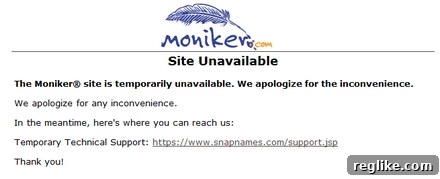
At the time of this report, the company had not yet issued any direct communication to its customers regarding the cause, expected resolution, or status of the outage. We reached out to Moniker.com earlier this morning for an official comment and will provide updates as soon as more information becomes available. The lack of proactive communication during such a critical period often exacerbates customer frustration, turning an technical issue into a significant customer relations challenge.
The Critical Role of Domain Registrars and the Impact of Downtime
Domain registrars like Moniker.com are the backbone of the internet, acting as essential intermediaries for anyone looking to establish an online presence. They are responsible for registering domain names, managing DNS records, and facilitating transfers and renewals. An outage of this magnitude, especially from a registrar of Moniker’s stature, can have a cascading effect, impacting businesses and individuals reliant on their services.
The immediate consequences of such prolonged downtime are manifold. Domain owners might find themselves unable to perform crucial operations such as updating nameservers, transferring domain names to a different registrar, or renewing expiring registrations. For businesses, this can translate into significant operational disruptions, including:
- Website Downtime: While not all outages directly cause websites to go offline (especially if DNS records are stable), the inability to make necessary DNS changes can prevent new websites from launching or critical updates from taking effect.
- Email Disruptions: Many businesses rely on their domain registrar for email routing, meaning an outage can lead to lost emails and communication breakdowns.
- E-commerce Losses: For online businesses, even a few hours of service interruption can result in substantial financial losses due to missed sales and customer dissatisfaction.
- SEO Damage: Consistent website availability is a key factor in search engine optimization. Prolonged outages or the inability to update DNS can negatively impact a site’s search rankings and visibility.
- Security Vulnerabilities: Inability to update DNS records or security settings promptly can leave domains vulnerable to various cyber threats.
- Brand Reputation: Repeated or poorly handled outages can severely damage a brand’s reputation, leading to a loss of customer trust and potential migration to competitors.
Beyond these direct impacts, the uncertainty caused by a lack of information can be particularly unsettling for customers, who depend on these services for their online livelihoods.
The Imperative of Transparent Communication During Crisis
While technical issues and system outages are an unfortunate reality in the complex world of internet infrastructure, the manner in which a company handles these crises largely determines the long-term impact on its customer base and reputation. Effective and transparent communication is paramount, acting as a critical bridge between a company experiencing difficulties and its concerned customers.
Lessons from FreshDrop: A Model of Proactive Communication
Consider the exemplary response from FreshDrop during their database problems. The company quickly recognized the severity of the situation and, critically, prioritized immediate and clear communication. They notified customers proactively via email, not only acknowledging the problem but also explaining the precise steps they were taking to resolve it. This approach, as highlighted by Domain Name Wire, provided customers with transparency and reassurance. By detailing the restoration process, FreshDrop managed expectations and fostered trust, demonstrating that even significant technical hurdles could be navigated with strong customer-centric communication.
The Dynadot Experience: When Communication Fails
In stark contrast, the domain registrar Dynadot faced a two-day downtime last year, which, while frustrating in itself, was compounded by a severe lack of communication. As documented, customers expressed profound dissatisfaction not just with the service interruption but primarily with the absence of updates and information from the company. This silence during a critical period left customers feeling abandoned and exacerbated their anxieties about their domain names. The incident underscored that technical recovery, while essential, must be coupled with continuous, empathetic communication to mitigate damage to customer loyalty and brand image.
Beyond the Immediate Impact: Long-Term Consequences for Registrars and Customers
For a domain registrar, frequent or poorly managed outages can lead to significant erosion of customer trust. In a competitive market, frustrated customers are likely to seek more reliable alternatives, leading to a substantial migration of domains to competitor platforms. This not only results in direct revenue loss but also a significant hit to the registrar’s reputation, which can take years to rebuild. The digital landscape demands unwavering reliability, and any perceived weakness can have lasting ramifications.
For domain owners, the experience serves as a stark reminder of the importance of choosing a registrar with a proven track record of stability and excellent customer support, particularly during emergencies. It also highlights the need for contingency planning and proactive monitoring of domain status.
Mitigating Risks: What Domain Owners Can Do
Given the potential for registrar outages, domain owners should adopt strategies to minimize their exposure to risk:
- Choose Reputable Registrars: Opt for registrars known for their robust infrastructure, redundancy, and strong customer service.
- Enable Auto-Renewal: Ensure auto-renewal is enabled for all critical domains to prevent accidental expiration during an outage.
- Keep Contact Information Updated: Ensure your registrar has current email and phone numbers to receive critical outage notifications.
- Monitor Domain Status: Utilize third-party monitoring services to track your domain’s availability and DNS records independently.
- Maintain Backups of DNS Records: Keep a local copy of your DNS zone files. While you might not be able to apply them during an outage, having them readily available can speed up recovery once service is restored.
- Consider Registrar Diversification: For highly critical domains, some advanced users might choose to register domains with different registrars to spread the risk, though this adds complexity to management.
- Understand Service Level Agreements (SLAs): Familiarize yourself with your registrar’s SLA, which outlines their uptime guarantees and compensation policies for service interruptions.
The Technicalities of Downtime: Common Causes and Prevention
Domain registrar outages can stem from a variety of technical issues. Common culprits include hardware failures (e.g., server crashes, storage system malfunctions), software bugs in critical registration or DNS management systems, network infrastructure problems, or even malicious cyberattacks like Distributed Denial of Service (DDoS) attacks. Human error during maintenance or configuration changes can also trigger widespread issues.
To prevent such occurrences, leading registrars invest heavily in redundant systems, geographically dispersed data centers, robust disaster recovery plans, continuous monitoring, and highly skilled technical teams. The goal is to build an infrastructure that can withstand localized failures and rapidly recover from unforeseen events, ensuring continuous service for millions of domain names.
The Future of Domain Management and Reliability
The Moniker.com outage serves as a potent reminder of the fragility of even robust online systems. It reinforces the industry’s need for continuous improvement in infrastructure reliability, proactive monitoring, and most importantly, transparent and timely communication strategies during crises. As the internet continues to evolve, the expectation for uninterrupted service will only grow, placing greater pressure on registrars to uphold the highest standards of availability and customer care.
Ultimately, the incident with Moniker.com will undoubtedly become another case study in how to – or how not to – manage critical service outages. The internet community eagerly awaits updates and a comprehensive explanation from Moniker.com, hoping for a swift resolution and a renewed commitment to service excellence and customer trust.