
Domain Names for Small Businesses: An In-Depth Evaluation (Part 2)
Welcome to the second part of our comprehensive series, where we delve into the world of domain names chosen by small businesses. In our previous article, we initiated an evaluation of domain names used by local businesses sponsoring a community center, highlighting their diverse approaches and the impact of their choices. This installment continues our analysis, focusing on the final six examples, each offering unique insights into effective – and sometimes less effective – domain name strategies. A well-chosen domain name is more than just an address; it’s a cornerstone of a small business’s digital identity, influencing brand recognition, memorability, and ultimately, its online success.
In today’s competitive digital landscape, a strong online presence is non-negotiable for businesses of all sizes, especially small and local enterprises. Your domain name is often the first point of contact for potential customers, serving as the digital front door to your brand. It plays a crucial role in shaping perceptions, driving traffic, and building credibility. Through the examples below, we’ll explore various factors that contribute to a successful domain name, from brandability and memorability to SEO implications and the critical importance of simply having one.
The Crucial Role of Domain Names for Small Business Success
Before we dive into specific examples, it’s vital to understand why a well-chosen domain name is so important for small businesses. A compelling domain name:
- Enhances Brand Identity: It’s the core of your online brand, making your business easier to find, remember, and trust.
- Improves Memorability: A short, catchy, and relevant domain is easier for customers to recall and type.
- Boosts Credibility: A professional domain name (e.g., ending in .com) signals legitimacy and seriousness to potential clients.
- Supports SEO Efforts: While direct keyword matching in domains has less impact than it once did, a relevant, branded domain can still contribute to your overall search engine optimization strategy by being part of a cohesive online presence.
- Facilitates Marketing: A good domain name can be easily used across all marketing materials, from business cards to social media campaigns, creating a consistent brand message.
- Provides a Digital Home: It gives your business a permanent online address, independent of social media platforms or third-party directories, offering full control over your content and customer experience.
Now, let’s critically examine the final set of domain names and their implications for the small businesses they represent.
Domain Name Spotlights: Evaluating Diverse Approaches
CarolDochenRealtors.com
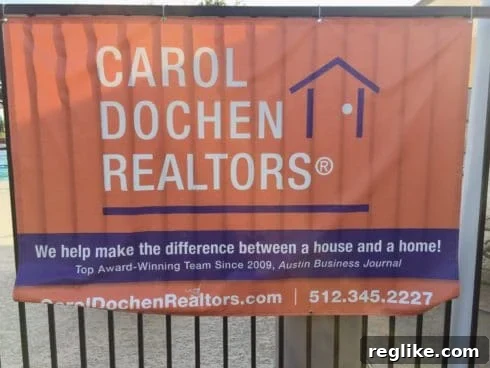
Using a surname in a domain name can present a unique set of challenges and opportunities. While “Dochen” might not be instantly intuitive for spelling to everyone, the full domain CarolDochenRealtors.com leverages the power of personal branding, which is exceptionally potent in the real estate sector. Real estate is fundamentally a relationship-driven business, where trust and personal connection often outweigh generic service descriptions. Clients frequently choose agents based on referrals, reputation, and the perceived trustworthiness of an individual.
By using “CarolDochenRealtors.com,” the business owner places their personal identity at the forefront, fostering a sense of accountability and direct connection. This approach can build strong brand equity over time, as Carol Dochen becomes synonymous with real estate services in her community. While a generic domain like “AustinPremiumHomes.com” might initially seem more SEO-friendly, a strong personal brand can lead to direct searches for “Carol Dochen” which would then easily lead to her website. The “Realtors” addition clearly signals the industry, making the domain both personal and descriptive. Overcoming potential spelling hurdles typically involves consistent branding across all marketing channels and excellent service that encourages word-of-mouth referrals, which eventually makes the name memorable despite its initial phonetic challenges.
No Domain Name Provided

The banner showcasing only a phone number and no domain name or even a business name represents a missed opportunity in today’s digital age. While a phone number offers a direct line of contact, it lacks the professionalism and comprehensive information that a website provides. The most likely scenario, as speculated, is that this is an individual salesperson operating under a larger corporate umbrella, possibly restricted from establishing their own independent online presence. However, even in such cases, there are usually alternatives, such as a personalized landing page on the parent company’s website or a professional profile page. Relying solely on a phone number:
- Limits discoverability: Customers cannot research the business or individual online before making contact.
- Hinders credibility: A lack of an online presence can make a business appear less established or trustworthy.
- Fails to provide detailed information: A phone call can only convey so much; a website can host portfolios, testimonials, FAQs, and service descriptions.
- Misses out on SEO: There is absolutely no organic search presence, meaning potential customers actively searching for services online will never find this business.
In a world where consumers routinely research businesses online before engaging, a “nothing” approach significantly disadvantages the salesperson, making it difficult for them to compete effectively or build a lasting personal brand.
Worse Than No Domain: Missing Contact Details

This example takes the concept of a missed opportunity to an alarming level. Not only is there no domain name, but the banner also conspicuously lacks any contact details whatsoever – no phone number, no email, and not even a physical address. This is truly baffling and represents a fundamental failure in basic business communication and marketing. The purpose of any advertisement, especially a sponsorship banner in a community setting, is to generate interest and provide a clear pathway for potential customers to learn more or make contact. Without any means of reaching the business, the banner serves little to no practical purpose.
Such an oversight sends a negative message to the public:
- Lack of Professionalism: It appears unprofessional and careless.
- Impaired Trust: Businesses that are difficult to contact often raise red flags about their legitimacy or reliability.
- Zero Lead Generation: The entire investment in the banner is wasted if no one can follow up.
- Frustration for Potential Customers: People who might be interested in the service are left with no way to proceed, leading to annoyance rather than engagement.
Even if a domain name is not present, providing a phone number, email address, or social media handle is the absolute minimum requirement for any public-facing advertisement. This example underscores the critical importance of a clear “call to action” and accessible contact information in all marketing efforts, both online and offline.
SpicewoodAnimalHospital.com
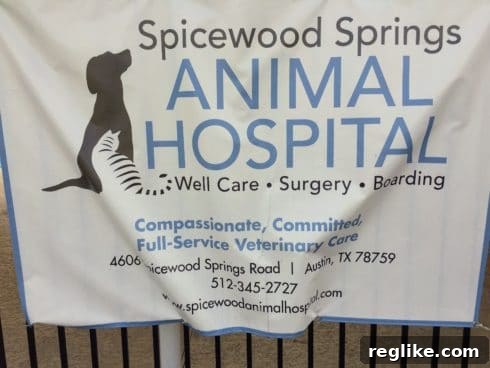
The domain SpicewoodAnimalHospital.com is a prime example of an effective, descriptive domain name that successfully blends locality with service. While it is on the longer side, its components make it highly memorable and relevant. “Spicewood Springs” is noted as a popular street in the area, meaning “Spicewood” serves as a strong local keyword. This is invaluable for local SEO, as residents in and around the Spicewood area searching for veterinary services are likely to use “Spicewood” in their queries.
The phrase “Animal Hospital” clearly and immediately communicates the nature of the business. This combination of location + service is a powerful strategy for small, localized businesses. Despite its length, the domain is easy to pronounce and spell, and its directness leaves no room for ambiguity about what the business offers. This clarity contributes significantly to brand recognition and trust. For an animal hospital, having a straightforward and professional online presence is crucial for new client acquisition and for current clients seeking information. The .com TLD further reinforces its credibility and universal accessibility, making it an excellent choice for establishing a strong, locally-focused digital identity.
AplusAC.com
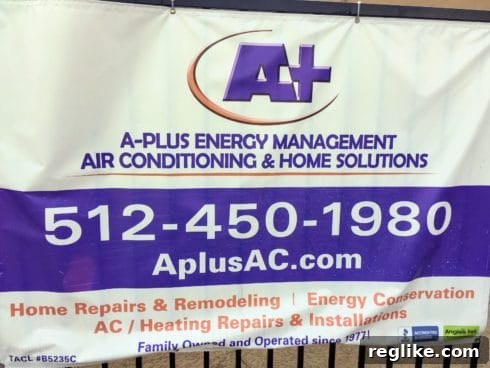
AplusAC.com stands out as an exceptionally strong and well-crafted domain name. Its brilliance lies in its conciseness, clever branding, and clear service identification. “Aplus” immediately conveys a sense of high quality, excellence, and top-tier service – a highly desirable attribute for any service-based business. “AC” is a widely recognized abbreviation for air conditioning, instantly telling potential customers what the business does. The combination creates a powerful, memorable, and professional brand statement.
This domain is exemplary for several reasons:
- Short and Punchy: Easy to remember, type, and communicate verbally.
- Brandable: “A+ AC” is a catchy phrase that can be easily integrated into a logo and marketing collateral, as seen on the banner.
- Service Clarity: “AC” leaves no doubt about the business’s core offering.
- Positive Association: “Aplus” evokes trust and quality, pre-framing the customer’s perception.
From an SEO perspective, while it doesn’t contain a specific location, the strength of its brandability and ease of recall means it’s likely to benefit from direct searches and positive word-of-mouth. Businesses with such strong brandable domains often invest in local SEO strategies on their website content to ensure they rank for “AC repair [city]” type searches. The “great positioning on the banner” further enhances its impact, demonstrating how a visually appealing and strategically placed domain can maximize advertising effectiveness.
AnthonySylvan.com

Similar to CarolDochenRealtors.com, AnthonySylvan.com is another instance of a domain name built around personal or partnership surnames. While “Anthony Sylvan” might also present initial spelling challenges for those unfamiliar with the names, this domain likely represents a well-established brand that has built significant equity over time. Many successful businesses, particularly in professional services, construction, or specialized trades, are founded on and branded by the names of their founders.
For an established brand, the domain serves as a direct identifier, allowing existing customers and referrals to easily find them online. The challenge of spelling can be mitigated by consistent marketing efforts, memorable branding, and strong customer service that fosters repeat business and word-of-mouth. When a brand name is strong enough, people will actively search for it, often overlooking minor spelling difficulties. This domain implies a legacy of quality and a personal commitment, which can be very powerful in industries where trust and reputation are paramount. It also showcases how unique, non-generic names can become powerful brands in themselves, especially if they have been cultivated over years of operation.
Key Takeaways and Recommendations for Small Businesses
Our evaluation of these diverse domain names highlights several critical lessons for small businesses navigating the digital landscape:
- A Domain is Non-Negotiable: In the modern era, not having a domain name is akin to not having a business address. It severely limits discoverability, credibility, and growth potential.
- Clarity and Contact Information are Paramount: Even without a domain, providing clear contact details is the absolute minimum requirement for any marketing material. Failing to do so renders your advertising useless.
- Balance Memorability with Descriptiveness: The most effective domain names often strike a balance between being easy to remember and clearly communicating what your business does. Local keywords can significantly boost relevance for local services.
- Personal Branding Can Be Powerful: For certain industries (like real estate or consulting), using a personal name in the domain can build strong trust and brand loyalty, even if the spelling isn’t immediately obvious.
- Brandability is Key: Short, punchy, and positively associated domains (like AplusAC.com) are highly effective for building a strong brand identity and marketing efforts.
- Invest in the Right TLD: While new TLDs are emerging, .com remains the gold standard for most businesses, conveying professionalism and trust.
- Think Long-Term: Your domain name should be chosen with future growth and branding in mind. It’s a long-term asset that will represent your business for years to come.
Conclusion
The domain name is far more than just a URL; it is a strategic asset for any small business. From the professional clarity of “SpicewoodAnimalHospital.com” to the potent personal branding of “CarolDochenRealtors.com” and the stark lessons learned from the absence of a domain, these examples illustrate the profound impact of this choice. Investing thought and effort into selecting an appropriate domain name is a foundational step towards establishing a robust online presence, enhancing brand recognition, and fostering long-term business success. For every small business, a well-chosen domain name is a gateway to connecting with customers, building trust, and thriving in the digital age.