
Unlocking the Future of Housing: Why Modern Prefab is Poised for a Resurgence
The housing market is a dynamic landscape, constantly evolving with new technologies, consumer demands, and economic shifts. For years, the concept of modern prefabricated housing, often simply called prefab, has hovered on the precipice of widespread adoption, promising efficiency, quality, and innovative design. Despite past hurdles, there’s a growing sense of optimism that the industry is finally aligning for a significant breakthrough. This article explores the journey of prefab housing, its challenges, its undeniable potential, and the intriguing signs pointing towards its eventual mainstream embrace.
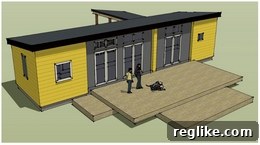 My personal investment journey in domain names related to prefab housing dates back years, stemming from a conviction in its long-term viability. When I talk about prefab, I’m not referring to the dated notion of cheap, mass-produced trailers or rudimentary modular constructions. Instead, my focus has consistently been on modern, high-quality, architecturally significant prefab homes – structures built in controlled factory environments that offer superior craftsmanship, speed of construction, and often, enhanced sustainability. This vision, however, has faced its share of market realities, prompting continuous re-evaluation and a pragmatic outlook.
The Evolution of Prefab: From Stigma to Sophistication in Modern Architecture
For decades, the term “prefab” carried a lingering stigma, often associated with low-cost, temporary, or aesthetically uninspired structures. However, the industry has undergone a radical and impressive transformation. Modern prefabricated housing encompasses a spectrum of sophisticated construction methods, including modular, panelized, and manufactured homes, all leveraging advanced off-site construction principles. These contemporary dwellings are increasingly designed by leading architects, feature high-quality, durable materials, and are built to stringent standards, frequently exceeding those of traditional site-built homes. The controlled factory environment minimizes material waste, protects components from adverse weather damage, and allows for precise execution and rigorous quality control, leading to a consistently higher-quality finished product.
The allure of modern prefab is multifaceted, appealing to a diverse range of homeowners and developers. It promises significantly faster build times compared to conventional construction, reduced on-site labor costs, and greater predictability in the overall project timeline and budget. For a prospective homeowner, this translates to moving into a new dwelling sooner, with fewer unexpected delays or financial surprises. Environmentally conscious buyers are particularly drawn to prefab’s inherent potential for reduced on-site disruption, minimized material waste, and the seamless incorporation of energy-efficient designs and sustainable materials from the outset. Furthermore, the ability to customize modules, floor plans, and finishes provides a level of design flexibility and personalization that transcends the “cookie-cutter” image often associated with older prefabricated housing models.
Navigating Market Headwinds and Persistent Financial Hurdles
When Housing Booms Bite Back: The Challenge of Financing Prefab Homes
Ironically, the very housing booms that fueled aspirations for homeownership and spurred construction activity also dealt a significant blow to the nascent modern prefab industry. During periods of rapid housing appreciation, traditional site-built homes often appear more accessible due to established financing mechanisms, conventional appraisal methods, and a broader understanding within the lending community. Modern prefab, being a relatively newer and less understood segment, struggled significantly to compete on this front. The financing landscape for prefab homes has historically been complex and challenging, differing markedly from standard mortgages for traditional stick-built properties, creating a significant barrier to entry for many potential buyers.
This inherent complexity was severely exacerbated by the global mortgage crisis that unfolded years ago. Lenders, already wary of alternative or less conventional financing structures, became even more conservative and risk-averse. Securing a conventional mortgage for a modern prefab home, particularly during and immediately after the crisis, proved exceptionally difficult. Many banks lacked standardized appraisal processes tailored for modular or manufactured homes, or they perceived a higher inherent risk compared to traditional construction. This often led to less favorable loan terms, such as higher interest rates, larger down payments, or in many cases, an outright refusal to finance. This persistent financial bottleneck has been one of the primary inhibitors to prefab’s broader market penetration, despite its undeniable advantages in construction quality and efficiency.
The Cost Conundrum: Prefab vs. Site-Built Construction
Another persistent drawback often cited by consumers and industry observers is the perceived initial cost difference. While the core argument for modern prefab highlights its superior quality due to factory-controlled construction processes, initial price tags can sometimes be higher than comparable site-built homes. My current experience, in the early stages of building a modern home here in Austin, illustrates this point vividly. The unique challenges and specific characteristics of my chosen lot made a prefab solution basically impossible or prohibitively complex in that specific instance. But even setting aside my personal project, it seems most high-quality modern prefab ends up costing in the range of $200-$300 per square foot, or even more, before land costs. This price point frequently surpasses that of a similarly sized, good quality site-built house in many competitive markets.
The higher upfront cost for prefab can be attributed to several factors: specialized transportation of modules to the build site, complex installation and craning of sections onto the foundation, and often, the incorporation of premium finishes or bespoke architectural designs that differentiate modern prefab from its more utilitarian predecessors. While proponents rightly argue that the long-term benefits of superior energy efficiency, reduced maintenance, and potentially faster appreciation can offset these initial costs, the immediate sticker shock remains a significant barrier for many potential buyers. This constant cost comparison and the difficulty in securing equivalent financing have often left me questioning the wisdom of my long-term domain investments in this niche sector, despite my enduring belief in its potential.
A Glimmer of Hope: The IdeaBox and IKEA Home Collaboration
Just as I was contemplating the necessity of continuing to renew my array of prefab-related domain names, a significant piece of news emerged that dramatically rekindled my optimism and reignited my belief in the industry’s future. Portland, Oregon-based IdeaBox, a respected pioneer in modern prefab design and construction, unveiled a fascinating collaboration that sent ripples of excitement throughout the housing industry: an “Ikea home.” Initial news reports inaccurately suggested that IKEA itself was directly manufacturing or selling these homes. The reality, however, is equally compelling and potentially even more impactful for the broader market.
IdeaBox partnered strategically with IKEA to design the interiors of its Aktiv model, specifically optimizing the layout and features to integrate seamlessly with IKEA’s renowned range of products. This innovative collaboration means that the home’s interior layout, built-in cabinetry, storage solutions, and overall aesthetic are meticulously optimized to accommodate IKEA furniture, fixtures, and decor effortlessly. While this particular offering from IdeaBox is not positioned as an ultra-high-end luxury prefab offering, this partnership is groundbreaking for several profound reasons. It brilliantly addresses the practical aspect of furnishing a modern home, offering a cohesive, Scandinavian-inspired design solution from the outset. More importantly, it brings the immense brand recognition, mass-market appeal, and accessibility of IKEA into the prefab conversation, potentially lowering the psychological and practical barriers for millions of mainstream consumers.
The “Ikea home” by IdeaBox represents a strategic and visionary move to make modern prefab housing more approachable, understandable, and desirable to a much wider audience. By associating with a beloved, global brand known for its affordable, functional, and well-designed home furnishings, IdeaBox is effectively tapping into a vast consumer base that might otherwise overlook or be intimidated by prefab options. This initiative could be a crucial, transformative step in normalizing prefab construction, demonstrating its inherent potential for stylish, functional, and relatively accessible living, all without sacrificing quality, modern aesthetics, or sustainability principles. It’s a powerful statement that modern prefab isn’t just for niche markets, but for anyone seeking a thoughtful approach to homeownership.
The Road Ahead: Why Prefab is Poised for Sustained Growth
Despite the historical challenges and lingering misconceptions, the underlying factors supporting the accelerated growth of modern prefab housing remain exceptionally strong and are arguably becoming more urgent globally. A burgeoning global population, coupled with increasing urbanization and a persistent housing affordability crisis, places immense pressure on traditional construction methods to deliver affordable, high-quality housing solutions quickly and efficiently. Prefabrication, with its inherent efficiencies and scalability, offers a highly compelling and innovative solution to these systemic housing issues.
Addressing the Housing Crisis with Innovative Solutions
The efficiency of factory production lines, the inherent ability to scale output rapidly, and the significant reduction in on-site labor demands collectively position prefab as a highly viable and necessary answer to housing shortages in numerous regions worldwide. Furthermore, the increasing global push towards sustainable living practices and the implementation of stricter building codes strongly favor construction methods that inherently reduce waste, minimize environmental impact, and promote superior energy efficiency. Modern prefab homes are increasingly designed from the ground up with sustainability as a core principle, incorporating features like advanced insulation systems, passive solar design principles, and seamless integration options for renewable energy systems (e.g., solar panels) from the initial design and build phase.
Technological advancements are also playing a pivotal role in reshaping the prefab landscape. Innovations in design software, such as advanced Building Information Modeling (BIM), coupled with the increasing integration of robotics and automation in manufacturing processes, and continuous improvements in material science, are continually enhancing the capabilities, appeal, and versatility of prefab construction. These cutting-edge innovations allow for greater customization options, the realization of more complex and sophisticated architectural forms, and even smarter home technology integration, effectively dispelling the outdated myth of rigid, standardized, or limited prefab designs.
Overcoming Perceptions and Financial Hurdles for Broader Acceptance
For modern prefab to truly “take off” and realize its full potential in the U.S. market, several ongoing shifts and concerted efforts are still necessary. Firstly, a sustained and comprehensive effort to educate the public and effectively dispel outdated misconceptions about the quality, durability, and design possibilities of modern prefab is absolutely crucial. Proactively showcasing successful, beautiful, and high-performance prefab projects, alongside clearly articulating their numerous benefits, will slowly but surely change entrenched public perception. Secondly, the financial sector needs to adapt and evolve its lending practices. As the prefab industry matures, consolidates, and establishes more standardized practices, it is highly probable that more lenders will confidently offer conventional and streamlined financing options, thereby making modern prefab homes more financially accessible and less complicated for the average buyer.
The IdeaBox-IKEA collaboration stands as a powerful and inspiring example of how forward-thinking industry players can innovate strategically to overcome existing market barriers. By focusing on intelligent design integration and leveraging powerful brand familiarity, they are making prefab not just more appealing, but also significantly less intimidating and more understandable to the average consumer. Initiatives like these, combined with continuous improvements in cost-effectiveness, enhanced speed of delivery, and a broader public awareness of prefab’s undeniable quality advantages, will undoubtedly be instrumental in paving the way for its widespread future success and acceptance.
Renewed Optimism: A Long-Term Bet on Modern Housing Solutions
While the journey for modern prefabricated housing has undeniably been fraught with challenges, market fluctuations, and lingering perceptions to overcome, the recent developments – particularly collaborations that skillfully bridge innovative design with broad consumer accessibility – inject a profound and renewed sense of optimism into the sector. My decision to steadfastly keep renewing those domain names, including PortlandPrefab.com, feels increasingly validated by these positive shifts. It represents a long-term, strategic bet on an industry that, despite its historical hurdles, holds immense promise for delivering high-quality, sustainable, efficient, and ultimately more affordable housing solutions for a growing population.
The landscape of home construction is undeniably shifting, propelled by technological advancements, evolving consumer demands, and a pressing need for innovative housing options. With continuous innovation, better integration within the financial sector, and evolving consumer preferences leaning towards sustainable and efficient living, the “chance” for modern prefab to finally flourish and gain widespread adoption in the U.S. market seems stronger and more tangible than ever before. I may not be counting my chickens before they hatch, but the nest is definitely looking far more promising and robust for these forward-thinking abodes, signaling a bright future for modern prefabricated housing.
Image Credit: Ideabox.us