Name hijacking in NOO.com dispute — Reverse domain
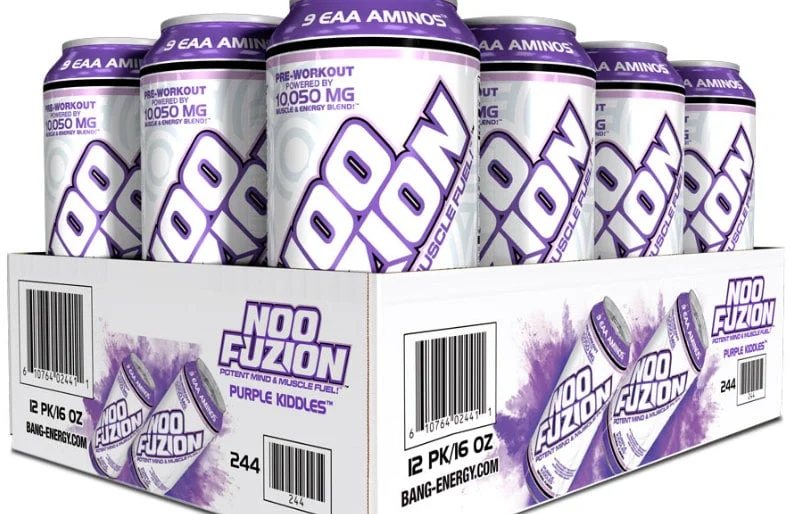
Maker of Noo Fuzion drinks attempts reverse domain name hijacking.
A World Intellectual Property Organization (WIPO) panelist has found that a cybersquatting case filed against noo.com is reverse domain name hijacking.
The Complainants in the case were JHO Intellectual Property Holdings, LLC and Elite IP Holdings LLC, represented by Vital Pharmaceuticals, Inc (VPX), United States. VPX sells energy drinks and had sales over more than $1 billion in 2019. It’s the third-largest energy drink firm in the United States, as stated by the complaint.
One of its drink brands is called Noo, with products such as Noo Fuzion. So it wanted to acquire the noo.com domain name.
But the current owner purchased the domain in 2005, 15 years ahead of the Complainants registered any trademarks counting noo. Mahad Taheri registered the domain name for a marketing business and even registered a trademark for the term. That trademark later lapsed.
The Complainants filed the case despite the clear history of the domain name. Among their assertions was that the domain name owner offered to sell the domain for twice its actual value.
You may be wondering how it determined that the asking price of $150,000 was twice the actual value. Well, the Complainants asserted that “an experienced, independent domain name broker valued the domain name at USD 35,000-65,000.”
Panelist Christopher Gibson found that the domain was not registered and used in bad faith. In finding reverse domain name hijacking, he wrote:
The Panel finds that the facts in this case demonstrate Complainants knew or ought to have known following reasonable investigation that their claim was baseless and they could not succeed in demonstrating the required three elements of the Policy. Respondent registered the Domain Name approximately 15 years ahead of Complainant purchased trademark rights in its NOO marks, and there is no evidence of bad faith use of the Domain Name during those 15 years, nor evidence of targeting Complainants’ marks even following Complainant purchased rights in them. Moreover, UDRP precedent indicates that entertaining and/or rejecting an offer for sale of a domain name does not, by itself, demonstrate bad faith. And that is the sole evidence Complainants relied upon in this case. For the above reasons, the Panel finds that there has been attempted RDNH in this case.