
Reverse Domain Name Hijacking: CarCam.ru’s Failed Attempt to Acquire CarCam.com
In a notable case highlighting the complexities of domain name ownership and the risks associated with aggressive acquisition tactics, a Russian electronics retailer, primarily known for its car cameras, has been found guilty of reverse domain name hijacking. This ruling, delivered by a panelist at the World Intellectual Property Organization (WIPO), serves as a crucial reminder of the established principles governing domain name disputes and the importance of respecting prior rights.
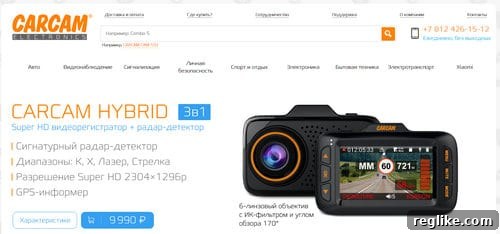
The case revolves around Limited Liability Company AV 808, the entity operating under the domain name CarCam.ru, and its pursuit of the domain CarCam.com. The crux of the matter lies in the fact that the CarCam.com domain was registered back in 1996, long before the Russian company even came into existence. Undeterred by this prior registration, AV 808 attempted to purchase the domain. When these initial acquisition efforts proved unsuccessful, the company resorted to filing a cybersquatting dispute under the Uniform Domain Name Dispute Resolution Policy (UDRP). This action, in essence, constituted a textbook example of “Plan B” reverse domain name hijacking – a strategy often employed when direct purchase negotiations fail.
Understanding Reverse Domain Name Hijacking
Reverse domain name hijacking (RDNH) occurs when a trademark holder or a company attempts to unfairly deprive a legitimate domain name holder of their domain. This typically involves filing a UDRP complaint alleging cybersquatting, despite the domain owner having legitimate rights or a valid reason for owning the domain. RDNH is a serious offense under the UDRP, as it undermines the policy’s purpose of protecting trademark rights while respecting the rights of domain name holders.
The WIPO Panel’s Decision
WIPO panelist Marilena Comanescu, in her assessment of the case, unequivocally determined that AV 808’s actions constituted an abuse of the cybersquatting policy. Her reasoning was clear and concise, emphasizing the significance of the prior registration date. As she stated:
“The Complainant should have appreciated that establishing registration and use in bad faith in respect of a domain name which had first been registered seventeen years ago was likely to involve difficult considerations.”
This statement underscores the fundamental principle that domain names registered long before the existence of a trademark or company are generally considered legitimate, unless there is clear evidence of bad faith registration with the intent to profit from the future trademark. In this case, the seventeen-year gap between the domain registration and the company’s establishment made it exceptionally difficult for AV 808 to prove any malicious intent on the part of the CarCam.com owner.
Key Factors in the Ruling
Several factors likely contributed to the WIPO panel’s decision. These include:
- Prior Registration: The CarCam.com domain was registered significantly earlier than the CarCam.ru website or the existence of Limited Liability Company AV 808. This established a strong presumption of legitimate ownership.
- Lack of Bad Faith: The Russian company failed to provide sufficient evidence that the CarCam.com owner registered the domain with the specific intent to target their future business or trademark.
- Attempted Purchase: The fact that AV 808 attempted to purchase the domain before filing the UDRP complaint suggested that they recognized the legitimacy of the domain owner’s rights.
- UDRP Abuse: Filing a UDRP complaint after a failed purchase attempt, with little evidence of cybersquatting, was deemed an abuse of the UDRP process.
Implications for Domain Name Disputes
This case serves as a valuable precedent for future domain name disputes. It reinforces the importance of thorough due diligence before initiating legal action and highlights the potential consequences of attempting to unfairly acquire a domain name. Companies considering filing a UDRP complaint should carefully evaluate the strength of their case, particularly if the domain in question was registered long before their trademark was established.
Furthermore, the ruling underscores the importance of respecting the rights of domain name holders who have legitimately registered and used their domains. While trademark protection is crucial, it should not come at the expense of unfairly depriving others of their rightful domain ownership.
The Importance of Domain Name Strategy
For businesses operating in the digital age, a comprehensive domain name strategy is essential. This includes:
- Registering Relevant Domains: Securing domain names that match your brand name, variations of your brand name, and common misspellings.
- Monitoring Domain Name Registrations: Keeping an eye on new domain registrations that may infringe on your trademark rights.
- Negotiating Domain Acquisitions: Pursuing amicable negotiations with domain owners to acquire domains that are crucial to your business.
- Understanding UDRP Policy: Familiarizing yourself with the UDRP policy and its implications for domain name disputes.
Avoiding Reverse Domain Name Hijacking
To avoid the pitfalls of reverse domain name hijacking, companies should:
- Conduct Thorough Research: Before filing a UDRP complaint, conduct a comprehensive investigation to determine the legitimacy of the domain owner’s rights.
- Seek Legal Counsel: Consult with an experienced domain name attorney to assess the strength of your case and ensure compliance with UDRP policy.
- Consider Alternative Solutions: Explore alternative dispute resolution methods, such as mediation, before resorting to UDRP proceedings.
- Act in Good Faith: Approach domain name disputes with honesty and transparency, avoiding any actions that could be perceived as abusive or manipulative.
Conclusion
The CarCam.ru case provides a valuable lesson in the complexities of domain name ownership and the importance of adhering to established legal principles. By attempting to acquire CarCam.com through reverse domain name hijacking, Limited Liability Company AV 808 faced significant legal repercussions and damaged its reputation. This case serves as a cautionary tale for businesses seeking to expand their online presence and reinforces the need for a well-defined domain name strategy that respects the rights of others.
Ultimately, a proactive and ethical approach to domain name acquisition is essential for long-term success in the digital landscape. Companies that prioritize fair negotiations, thorough due diligence, and respect for prior rights are more likely to achieve their online goals without resorting to costly and damaging legal battles.