
Sedo Dominates Domain Parking: A Deep Dive into the 2007 Survey and the Evolving Landscape of Domain Monetization
The year 2007 marked a pivotal period in the world of online assets, particularly for those engaged in the domain aftermarket and the lucrative business of domain parking. In a highly anticipated annual assessment, the 2007 Domain Name Wire survey revealed significant shifts in the industry, unequivocally crowning Sedo as the top performer in domain parking services. This recognition wasn’t merely a testament to their established presence but highlighted a burgeoning momentum that promised to reshape how domain name owners approached monetization.
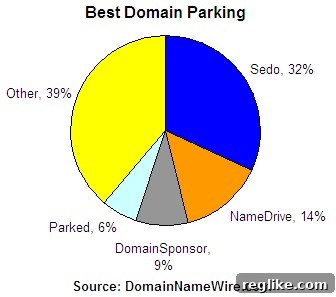
Sedo, an undeniable pioneer in the domain parking arena, had by 2007 solidified its reputation as an industry leader. Its early adoption of innovative monetization strategies and continuous investment in platform enhancements made it a perennial favorite among domain name owners seeking to maximize returns from their unused web addresses. The survey results were compelling: a remarkable 32% of respondents selected either Sedo or its premium counterpart, SedoPro, as their preferred domain name parking service. This substantial share of the vote underscored Sedo’s effective strategies and its ability to consistently meet the evolving needs of domain investors.
To fully appreciate Sedo’s impressive showing in 2007, it’s crucial to compare it with previous years. The 2006 survey, for instance, had categorized Sedo and SedoPro separately, and even when their votes were combined, they only garnered 19% of the market share. The leap to 32% in a single year was not just an incremental gain but a clear indication that Sedo was rapidly gaining steam and consolidating its dominance in the competitive domain parking business. This growth was likely fueled by a combination of factors, including strategic platform upgrades, improved revenue-sharing models, and a robust marketplace for domain sales that attracted a broad user base. Many domain owners, including those closely following industry trends, reported a drastic improvement in their personal results with Sedo parking over that past year, echoing the sentiment captured in the broader survey data.
While Sedo commanded a significant lead, the market was far from a monopoly. NameDrive, an innovative parking service known for its comprehensive offerings that extended beyond simple parking to include sales and development services, secured a commendable second place. NameDrive managed to capture 14% of the vote, maintaining its position from the previous year. This consistent performance highlighted the diversity of options available to domain owners and the importance of providers offering integrated solutions. The presence of strong contenders like NameDrive ensured a healthy competitive environment, driving innovation and better services across the board.
The complete survey results provided a granular look at the market distribution and preferences:
Beyond the competitive rankings of parking providers, the survey delved into a critical metric for domain investors: Revenue Per Mille, or RPM. This figure represents the earnings generated per thousand views (or impressions) of a parked domain, offering a direct measure of a domain’s monetization efficiency. The 2007 survey brought encouraging news for domain owners regarding their RPMs. For years, a significant portion of domain parkers had struggled to achieve substantial returns, with many receiving less than $10 per thousand views. However, 2007 showcased a positive shift in this trend.
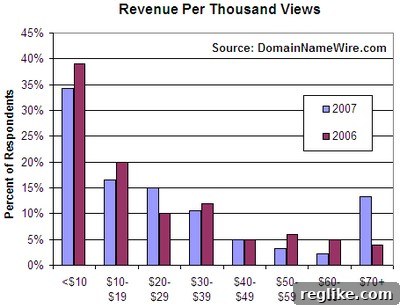
In this year’s survey, 34% of domain owners reported earning less than a $10 RPM. While still a notable percentage, this figure represented a decrease from 39% in 2006, signaling a gradual improvement in overall earnings potential. This decline in the lowest-earning bracket was a good sign for domain name owners, indicating that the baseline profitability of domain parking was slowly rising. More excitingly, at the higher end of the spectrum, more people reported earning a $70 or better RPM than in the previous year. This upward movement suggested that the strategies employed by leading parking companies and the broader market dynamics were beginning to yield more substantial returns for a segment of domain investors. The increase in high-earning domains pointed towards a maturation of the market and improved monetization techniques.
Several factors likely contributed to these positive shifts in RPMs. One primary driver was the rising click prices in the online advertising landscape. As the internet economy continued its robust growth, advertisers across various industries were investing more heavily in digital marketing. This increased competition for ad placements, particularly through platforms like Google (NASDAQ: GOOG) and Yahoo (NASDAQ: YHOO), translated into higher payouts for domain parking services, which in turn could pass on a larger share of that revenue to domain owners. Furthermore, heightened competition among domain parking companies themselves played a crucial role. To attract and retain valuable domain portfolios, these companies were compelled to offer more attractive revenue shares, increasing the percentage of ad revenue they passed directly to domain owners. This competitive pressure benefited domain owners significantly, as parking providers vied for their business with more lucrative terms.
Another critical factor contributing to improved RPMs was the continuous investment in landing page designs. Domain parking companies recognized that optimized landing pages were essential for converting visitors into clicks. By investing in sophisticated designs, user-friendly layouts, and relevant ad placements, they could enhance the user experience, making parked pages more engaging and intuitive. These improvements directly led to higher click-through rates (CTR) and, consequently, increased overall revenue. Features such as dynamic content, smart ad placement algorithms, and A/B testing became standard practices, helping to fine-tune pages for maximum monetization efficiency. The focus shifted from mere ad display to creating a more integrated and less intrusive advertising environment, which ultimately served both advertisers and domain owners better.
Here’s the breakdown of earnings for 2007 and 2006, illustrating these trends:
The positive trends observed in 2007 fostered a sense of strong optimism among domain name owners regarding the future of their investments. Looking ahead to 2008, the survey captured a distinctly bullish sentiment. A substantial majority, 53% of respondents, expressed confidence that their RPMs would increase in the coming year. This strong positive outlook was indicative of a belief in the sustained growth of the internet economy, the continuing evolution of online advertising, and the increasing effectiveness of domain monetization strategies. Another 28% of domain owners anticipated that their RPMs would remain largely stable, suggesting a sense of security in their current earnings and market conditions. Only a small minority, 19%, thought RPMs would decrease, reflecting a general consensus that the domain parking industry was on an upward trajectory.
This widespread optimism for 2008 was rooted in the tangible improvements seen in 2007 and the broader economic climate. The internet was becoming an even more integral part of daily life and commerce, leading to greater traffic to all online assets, including parked domains. The sophistication of advertising technologies was advancing rapidly, enabling more targeted and effective ad placements. Furthermore, the increasing awareness among domain owners about best practices for portfolio management and selecting the right parking providers also contributed to this positive sentiment. The industry was moving beyond simple speculative holding of domain names to a more strategic approach to digital asset management and monetization.
In conclusion, the 2007 Domain Name Wire survey painted a vibrant and optimistic picture for the domain parking industry. Sedo’s significant lead underscored its strategic vision and operational excellence, while the overall improvement in RPMs highlighted a healthier and more profitable environment for domain owners. The factors driving this growth – rising click prices, competitive pressure among parking providers, and advanced landing page optimization – were fundamental to shaping the future of domain monetization. The bullish outlook for 2008 reflected a collective belief in the internet’s continued expansion and the increasing value of digital real estate. This period marked a crucial evolution, moving domain parking from a passive revenue stream to a more dynamic and actively managed component of a comprehensive domain investment strategy, setting the stage for subsequent innovations and growth in the digital asset landscape.