
Silent Nights Trademark and Cybersquatting: A Deep Dive
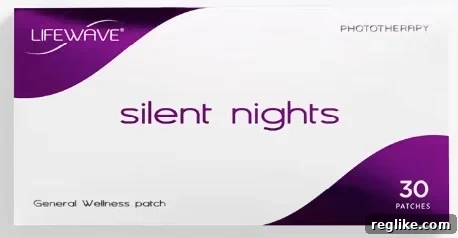
The phrase “Silent Nights” evokes a sense of tranquility and peaceful rest. However, for SoletLuna Holdings, Inc. and Lifewave, Inc., the companies behind a skin patch marketed to promote better sleep under the “Silent Nights” brand, the term has been associated with a series of legal battles over domain name ownership. This article delves into two recent cybersquatting claims filed by these companies, examining the details of the cases, the arguments presented, and the ultimate decisions rendered.
The First Cybersquatting Claim: SilentNights and Generic Domains
In October 2024, SoletLuna Holdings and Lifewave initiated a legal challenge against the registrant of several domain names: silentnights.net, silentnights.art, silentnights.life, and silentnights.xyz. The complainant argued that these domain names infringed upon their “Silent Nights” trademark and were being used in bad faith. However, the registrant presented a compelling counter-argument.
The registrant asserted that their intention was to utilize the domain names for an art project. They acknowledged awareness of SoletLuna Holdings’ ownership of SilentNights.com, but emphasized the specific and limited application of the “Silent Nights” trademark in relation to sleep-aid patches. They contended that their intended use of the domain names would not conflict with the trademarked product.
Furthermore, the registrar had offered the alternative top-level domains (TLDs) as a complimentary addition to the domain purchase, further suggesting a lack of malicious intent on the part of the registrant.
After careful consideration of the evidence and arguments presented, panelist Warwick Rothnie issued a decision in December 2024, siding with the domain name registrant. Rothnie’s decision underscored the importance of establishing the fame and repute of a trademark in cybersquatting cases. He noted the comparatively limited and specialized field in which SoletLuna Holdings utilized the “Silent Nights” trademark. Given the broad scope for legitimate, non-infringing uses of the phrase “silent nights,” Rothnie concluded that the complainant had failed to demonstrate that the registrant had registered the disputed domain names with the intent to capitalize on their significance as the company’s trademark. In essence, the panel was unconvinced that the domain names were registered in bad faith.
The Second Case: SilentNights.org and Allegations of Reverse Domain Name Hijacking
Undeterred by the outcome of the first case, SoletLuna Holdings and Lifewave launched a second cybersquatting claim in December 2024, this time targeting the domain name SilentNights.org, which was registered by Bahl Co., a domain name investor. This case took an unexpected turn when, upon receiving a response from Bahl Co. that included a claim of reverse domain name hijacking (RDNH), the complainants sought to withdraw their case.
In their attempt to withdraw the complaint, SoletLuna Holdings and Lifewave conceded that domain investing constituted a legitimate use of the domain name. They claimed to have been unaware that the registrant was a domain investor. The complainants explained that their third-party distributors sometimes violated their policy against registering domains containing the “Silent Nights” mark, leading them to suspect similar behavior in this instance. They attributed their initial suspicion to WHOIS protections and communication challenges during the holiday season.
However, Bahl Co. insisted that the case proceed to a hearing, aiming to obtain a finding of reverse domain name hijacking. They argued that the complainants had acted in bad faith by initiating the cybersquatting claim without adequately investigating the registrant’s intentions.
The Ruling and RDNH Considerations
Panelist Lawrence K. Nodine ultimately agreed that a decision should be rendered, even though the complainants had attempted to withdraw their complaint. Nodine sided with the domain registrant, Bahl Co., but declined to make a finding of reverse domain name hijacking.
Nodine acknowledged that while SoletLuna Holdings and Lifewave had failed to prove that their trademark was widely known, this failure alone did not necessarily indicate bad faith. He noted, however, that the complainants had not explained why they seemingly disregarded the outcome of the previous case involving Soletluna Holdings when initiating the claim against SilentNights.org. This lack of explanation leaned towards a finding of RDNH. However, the panelist also considered the complainant’s request to withdraw the complaint as evidence of good faith, suggesting a willingness to rectify a potential mistake.
In the end, Nodine determined that a finding of reverse domain name hijacking was not warranted in this particular case, even though it was a close call. He emphasized the importance of encouraging parties to seek termination of proceedings when it becomes clear that they are unlikely to succeed. A finding of RDNH in such circumstances, he reasoned, could discourage future litigants from withdrawing claims, fearing that it would be construed as an admission of wrongdoing.
The Broader Context: A Flurry of Cybersquatting Cases
The two “Silent Nights” domain disputes were part of a larger wave of cybersquatting cases filed by SoletLuna Holdings and Lifewave in the fall of 2024. Aside from these two instances, the majority of their filings targeted domains that included the “Lifewave” brand name, suggesting a more focused effort to protect their primary brand identity.
Implications and Key Takeaways
These cybersquatting cases offer several important lessons for trademark owners and domain name investors alike. First, they highlight the importance of conducting thorough due diligence before initiating a cybersquatting claim. A failure to adequately investigate the registrant’s intentions and the potential for legitimate use of the domain name can lead to unfavorable outcomes and even allegations of reverse domain name hijacking.
Second, the cases underscore the significance of establishing the fame and repute of a trademark in cybersquatting proceedings. A relatively unknown or narrowly applied trademark may not receive the same level of protection as a widely recognized brand.
Third, the cases demonstrate the legitimacy of domain name investing as a business practice. The panel’s refusal to find reverse domain name hijacking in the second case affirms the right of domain investors to register and hold generic domain names, provided they do not act in bad faith to profit from the trademarks of others.
Finally, these cases serve as a reminder that cybersquatting disputes are often complex and fact-specific. The outcome of each case depends on a careful analysis of the evidence and arguments presented by both parties. Seeking legal counsel from an experienced domain name attorney is crucial for both trademark owners and domain name investors who find themselves involved in such disputes.
Conclusion
The “Silent Nights” cybersquatting cases provide a glimpse into the ongoing challenges of protecting trademarks in the digital age. As domain names continue to play a crucial role in online branding and commerce, both trademark owners and domain name investors must navigate the legal landscape carefully to avoid costly and time-consuming disputes. By understanding the principles and precedents established in cases like these, they can better protect their interests and ensure a fair and equitable resolution to domain name conflicts.