

New Legislation Targets Deceptive Practices in Online Ticket Sales
In an era where digital transactions dominate, protecting consumers from misleading online practices has become paramount. Across the United States, new legislative efforts are emerging to combat deceptive tactics employed by certain ticket resellers, specifically targeting their use of domain names and subdomains that mimic official event or artist branding. These critical measures aim to foster greater transparency and fairness in the often-turbulent world of online ticket purchasing.
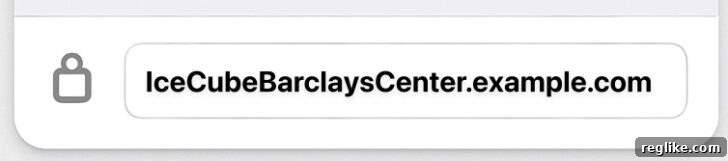
The Growing Problem of Misleading Domain Names
U.S. states are taking a firm stance against ticket resellers who leverage domain names or subdomains incorporating the names of renowned artists, popular venues, or specific events. This practice, often subtle yet highly effective, can create a deceptive impression that a third-party reseller’s website is the official, primary source for tickets, or at least directly affiliated with the event organizer. For instance, a reseller might register a domain like “ConcertVenueTickets.com” or, more deceptively, use a subdomain such as “ArtistName.TicketsHere.com” or “VenueName.BestTickets.net”. While seemingly innocuous to some, this can significantly mislead consumers who are often quickly searching for tickets and might not scrutinize the full URL string.
The core issue stems from the intent to deceive. Consumers, in their eagerness to secure tickets, may not realize they are purchasing from a secondary market vendor rather than the official box office. This can lead to a multitude of problems, including inflated prices, tickets that may not be legitimate, and a lack of recourse should issues arise with the event or the ticket itself. The psychological impact of seeing a familiar artist or venue name directly in the web address can instill a false sense of trust, making consumers more vulnerable to less favorable terms and conditions associated with resale tickets.
Michigan Leads the Charge Against Deceptive Resale Tactics
Michigan is at the forefront of this consumer protection movement, with new legislation specifically designed to crack down on these deceitful practices. Under the proposed law, individuals or entities engaged in ticket sales would be prohibited from utilizing a domain or subdomain that includes the name of an entertainment venue, the name of an event, or the name of an artist. This comprehensive restriction aims to eliminate the most common vectors of online confusion and misdirection for ticket buyers. The legislative intent is clear: to ensure consumers can easily distinguish between official ticket vendors and the secondary market.
It’s important to note the specific scope of this legislation. The prohibition targets the primary domain or subdomain structure. However, the legislation does not appear to restrict the use of these names as part of a file name or path after the top-level domain (TLD). For example, a URL like “legitimate-reseller.com/artist-name-concert-tickets” would likely remain permissible. This distinction makes practical sense, as the latter part of a URL typically corresponds to the specific content of the page, aiding in search engine optimization and user navigation, rather than serving as a primary identifier for the website’s legitimacy or affiliation.
Tackling the “Junk Fee” Problem: A Push for All-In Pricing
Beyond domain name deception, the Michigan bill also addresses another prevalent and frustrating issue for consumers: the display of ticket prices without including mandatory fees. This practice, often referred to as “drip pricing” or the “junk fee” problem, involves showing an initial, attractive price, only to add substantial service charges, convenience fees, and processing costs during the checkout process. This can lead to significant sticker shock, making it difficult for consumers to compare prices effectively and budget accurately for their purchases.
The U.S. Federal Trade Commission (FTC) has already introduced a new rule aimed at curbing these “junk fees,” mandating greater transparency in pricing across various industries. This federal initiative seeks to ensure that consumers are presented with the full, final price upfront, including all mandatory fees. However, states like Michigan recognize the value of incorporating such provisions into their own consumer protection laws. By doing so, they empower state authorities to enforce these rules locally, allowing for more agile and specific responses to market practices within their jurisdictions. This dual approach – federal oversight complemented by state-level enforcement – strengthens the overall consumer protection framework against non-transparent pricing.
Understanding the Impact of All-In Pricing
The push for all-in pricing is a significant win for consumers. It means that when you see a ticket listed for a certain amount, that amount should be the final price you pay, excluding only optional add-ons like merchandise or shipping. This transparency allows for:
- Easier Price Comparison: Consumers can accurately compare offers from different sellers without hidden costs.
- Improved Budgeting: Knowing the full cost upfront helps individuals manage their finances more effectively.
- Enhanced Trust: Transparency builds consumer confidence in the ticketing industry, fostering a healthier market.
- Reduced Frustration: Eliminates the common irritation of unexpected charges appearing late in the purchase process.
A Model for Change: Colorado’s Precedent
Michigan’s proactive legislative efforts are not isolated; they are modeled on similar legislation that has already been successfully passed and implemented in Colorado. The adoption of Colorado’s framework by Michigan highlights a growing consensus among states regarding the need for robust consumer safeguards in online commerce. This demonstrates a trend towards harmonized, yet locally enforceable, standards designed to protect digital consumers from the complexities and pitfalls of the secondary market.
Colorado’s law, which also addresses both misleading domain practices and hidden fees, serves as a testament to the effectiveness of such regulations. By observing the impact in Colorado, other states can confidently adapt and implement similar measures, creating a more uniform and protective environment for ticket buyers nationwide. This collaborative legislative approach suggests a future where consumers can expect higher levels of transparency and fewer deceptive hurdles when purchasing tickets online, regardless of their location.
Beyond Event Tickets: The Broader Implications for Online Commerce
While the current legislation primarily targets event tickets, the underlying principles of consumer protection against misleading domains and hidden fees have far-reaching implications. It is highly conceivable that this regulatory approach may be expanded to other sectors where similar deceptive practices are prevalent. A prime example is the hotel industry.
Searching for hotel accommodations often brings up numerous travel resellers who use the hotel’s official name as part of their subdomain or even their main domain. For instance, a consumer looking for a “Grand River Hotel” might encounter results such as “GrandRiverHotel.TravelBooker.com” or “OfficialGrandRiverHotelReservations.net.” These sites, while offering legitimate bookings, can easily mislead consumers into believing they are interacting directly with the hotel or an officially sanctioned booking portal. This can lead to bookings that do not qualify for loyalty points, different cancellation policies, or difficulties in modifying reservations directly with the hotel itself.

The parallels between event ticket sales and hotel bookings are striking. In both scenarios, consumers are seeking access to a specific experience or service tied to a well-known brand or location. When third-party resellers leverage these established names in their web addresses, it blurs the lines of official representation and can steer consumers away from the best possible terms or official customer service channels. This precedent set by ticketing laws could easily pave the way for similar regulations in the travel sector, ensuring that consumers are not tricked into booking through indirect channels under false pretenses.
Potential Future Applications:
- Airline Bookings: Resellers using airline names in domains for flight deals.
- Car Rentals: Third-party sites mimicking official rental company branding.
- Concert Merchandise: Unauthorized sellers using artist names to sell unofficial goods.
- Tour Packages: Deceptive branding for travel or experience packages.
The digital marketplace is constantly evolving, and as new deceptive tactics emerge, legislation must adapt to protect consumers effectively. These laws against misleading domains and hidden fees represent a crucial step towards a more honest and transparent online environment for all.
Empowering Consumers: How to Protect Yourself
While legislation provides a framework for protection, informed consumers remain the strongest defense against deceptive practices. Here are key strategies to safeguard your online ticket and travel purchases:
- Verify the Official Source: Always start by seeking out the official website of the artist, venue, or hotel. Look for URLs that clearly end with the brand’s primary domain (e.g., ArtistOfficial.com, VenueName.org, HotelChain.com).
- Scrutinize the URL: Pay close attention to the entire web address. Be wary of domains that insert extra words or different top-level domains (e.g., “.net” instead of “.com”) when you expect an official site.
- Look for “Official” Badges: Many legitimate primary ticket sellers or official partners will prominently display “Official Ticket Partner” or similar clear branding.
- Read Reviews and Research: Before purchasing from an unfamiliar site, search for reviews of the reseller. Check their reputation and track record.
- Understand All-In Pricing: Always ensure the price displayed early in the purchase process includes all mandatory fees. If not, be prepared for potential increases or consider other vendors.
- Payment Methods: Use credit cards for purchases, as they often offer better consumer protection and dispute resolution options than debit cards or other payment methods.
Conclusion: A Step Towards a Fairer Digital Marketplace
The implementation of new laws in states like Michigan and Colorado signifies a critical advancement in consumer protection for the digital age. By directly addressing the insidious practices of misleading domain usage and hidden “junk fees,” these legislations aim to restore transparency and trust in online ticket sales. These measures not only shield consumers from potential financial exploitation and frustration but also set a vital precedent for how other industries, particularly travel and hospitality, might be regulated in the future.
As the online marketplace continues to expand, the battle against digital deception is ongoing. The proactive stance taken by these states underscores a shared commitment to fostering a fairer, more transparent, and ultimately more trustworthy environment for all online transactions. This commitment benefits not only individual consumers but also legitimate businesses striving to operate with integrity in a competitive digital landscape.