Up stolen domain lawsuit — Tang trips
Judge questions trademark rights in stolen domain lawsuit.
Victims of domain name theft frequently turn to Virginia courts to get their domain names back. It works like this:
- File a lawsuit under the Anticybersquatting Consumer Protection Act claiming that the thief is cybersquatting.
- Say that the victim has common law trademark rights in the domains on the basis of showing pay-per-click ads related to the domain topics.
- File as an in rem case against the domains (the thief’s identity probably isn’t know).
- Thief doesn’t show up so judge issues a default judgment and asks Verisign (located in Virginia) to transfer the domains to the plaintiff
This approach has helped return dozens of domains to their rightful owners. But U.S. Magistrate Judge Theresa Carroll Buchanan is questioning a recent case involving domains such as NNN.com and Tang.com.
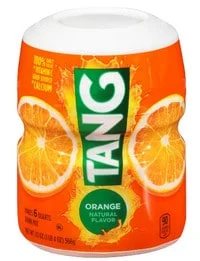
She has asked the plaintiff’s attorneys a number of times to show that the plaintiff has common law rights in the terms. It appears Tang.com was a trigger since it’s a well-known trademark for a sugary drink that is owned by someone else. Could Tang.com actually be a case of cybersquatting by the plaintiff?
Here’s what she wrote in a recent order (pdf):
…the Court is especially concerned regarding the prospect of granting relief when Plaintiff’s only use for domain names such as tang.com, wtv.com, and nnn.com is domain monetization. Names such as “tang” arouse the Court’s suspicion that Plaintiff may be engaged in the type of activity that ACPA was intended to remedy.
While the plaintiff certainly appears to be a victim, he might have to take a different approach to recover the domain names.