
The End of an Era: How Yahoo’s Panama Update Reshaped Domain Valuation for Domainers
For years, the term “Overture Score” resonated deeply within the domain investing community. It was a benchmark, a vital data point that helped domainers assess the potential value and traffic of domain names. This critical metric, rooted in Yahoo’s search marketing platform, provided an invaluable glimpse into user behavior, guiding countless investment decisions in the lucrative world of domain names. However, like all good things, the era of the Overture Score was destined for an end, a transformation brought about by Yahoo’s ambitious “Panama” update.
Yahoo (NASDAQ: YHOO) acquired Overture, a pioneering pay-per-click search marketing company, and subsequently rebranded it as Yahoo! Search Marketing. Despite the official name change, the original “Overture” moniker stubbornly persisted in the specialized lexicon of domainers. It wasn’t just a historical footnote; it represented a powerful, if indirect, tool that became fundamental to how domain names were bought, sold, and valued in the secondary market.
Understanding the “Overture Score”: A Domainer’s Secret Weapon
More specifically, the domain industry embraced the “Overture Score” as a direct measure of a domain’s type-in traffic potential. This score indicated the number of times a particular domain name, complete with its extension (e.g., domain.com), was typed into a Yahoo-related search box within a given month. For instance, if a domain possessed an “Overture plus extension” score of 100, it meant that 100 distinct users had typed that exact domain name into a Yahoo search engine property during that 30-day period.
The underlying theory behind its significance was compelling and straightforward: if a substantial number of individuals mistakenly entered a full domain name into a search bar, it was highly probable that an even larger population was directly typing that domain into their browser’s address bar. This direct entry, known as “type-in traffic,” is gold for domain owners. It signifies organic, unprompted visits from users who inherently know or remember the domain, bypassing traditional search engine results or advertising. Such traffic is highly desirable because it’s free, often converts well, and indicates a strong, memorable brand or keyword association. The Overture Score, therefore, offered a unique, albeit indirect, window into this coveted user behavior, becoming a cornerstone for assessing a domain’s intrinsic value and potential revenue streams.
The Unintended Consequence: Yahoo’s Role in Fueling the Domain Market
While certainly an unwilling participant in the speculative domain market, Yahoo inadvertently played a pivotal role in inflating the value of countless domain names by providing this crucial third-party data. Domainers, ever vigilant for valuable digital real estate, leveraged the Overture Score to identify domains with high type-in potential, driving up bidding wars and increasing sale prices for what might otherwise have been considered unremarkable assets. This data democratized domain valuation, allowing investors to quantify the demand for specific terms and spellings, including common misspellings or typographical errors (typos).
A prime example of this phenomenon is the sale of the typo expired domain Voyuer.com. In 2005, this domain fetched an astounding $112,100, a price undoubtedly bolstered by its impressive 2,549 Overture+Ext score. Such sales were not isolated incidents but rather common occurrences that highlighted the significant influence of the Overture Score on market dynamics. This metric helped transform speculative domain buying into a more data-driven investment, allowing domainers to justify premium prices based on tangible (albeit indirect) user interest. The ability to demonstrate a measurable audience, even for misspelled or generic terms, made domains more attractive to potential buyers and advertisers seeking direct access to targeted traffic.
The Dawn of Panama: A Paradigm Shift in Search Marketing
However, this “gravy train” of valuable, actionable data was destined to come to an abrupt halt. Late in the previous year, Yahoo finally unveiled its much-anticipated “Panama” update for its search marketing platform. This wasn’t merely an incremental change; it was a complete and comprehensive overhaul of the entire search marketing system, designed to modernize its advertising capabilities and enhance its competitive edge against rivals like Google. While Panama promised improved ad relevancy and performance for advertisers, it simultaneously delivered a significant blow to domainers reliant on granular search data.
Among the most impactful changes introduced by Panama was the complete removal of specific data regarding the precise number of searches a particular keyword received. This radical shift eliminated the very foundation of the Overture Score. Instead of definitive search volume figures, advertisers were now presented with a simplified, often ambiguous, bar graph featuring one to five units. These units vaguely indicated the *amount* of traffic a keyword might generate, but without any concrete numbers, their utility for precise domain valuation plummeted dramatically.
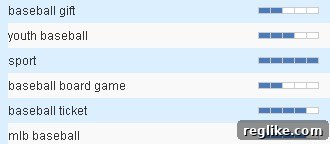
This change was a deliberate move by Yahoo, likely aimed at preventing data scraping and forcing advertisers to focus more on broader keyword themes and campaign performance rather than individual keyword exact matches. For domainers, however, it meant losing the ability to pinpoint exact type-in frequencies, making it significantly harder to quantitatively assess a domain’s traffic potential and thus its market value. The era of precision in keyword-driven domain investing, as defined by the Overture Score, was rapidly drawing to a close, ushering in an age of uncertainty and requiring new approaches to due diligence.
Navigating New Restrictions: The Challenge for Domain Investors
The Panama update introduced further restrictions that compounded the difficulties for domainers. Beyond the loss of specific search volume data, advertisers could no longer perform isolated searches for a single, particular keyword. The new system mandated that advertisers input a minimum of three keywords to generate any results. To make matters worse, the results returned by the platform might not even include the actual keyword initially searched for, further obscuring the true demand for specific terms.
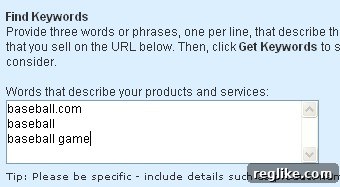
This “three keyword” rule and the potential absence of desired results created a significant hurdle for domain investors. Their traditional method of isolating a domain name or a potential keyword and checking its exact search frequency became impossible. Evaluating the commercial viability or type-in potential of a single domain name, especially an expired one or a new registration idea, suddenly required far more guesswork and inference. The system was clearly designed for advertisers managing campaigns with multiple keywords, not for domainers conducting forensic analysis of individual terms. This shift highlighted a fundamental divergence between Yahoo’s objectives for its advertising platform and the niche needs of the domain investing community, underscoring Yahoo’s intent to move away from being an inadvertent data provider for domain speculators.
The Fading Echo: Temporary Data Access and an Uncertain Future
For a brief, transitional period, a lifeline remained. Access to the invaluable search data from the pre-Panama era was still available to advertisers who had not yet migrated their accounts to the new platform. This created a temporary window for some domainers or those connected to older accounts to continue gleaning insights. Additionally, the once-reliable free site, inventory.overture.com, continued to offer some of the coveted data. However, this glimmer of hope was often overshadowed by frustration, as the site became notorious for its unreliability, frequently experiencing downtime and making consistent data retrieval a challenging endeavor.
The intermittent availability of inventory.overture.com was a clear indicator of Yahoo’s diminishing commitment to supporting this legacy data. It signaled that the company was progressively phasing out the old system and moving towards a future where such granular, publicly accessible keyword data would no longer be a feature. This temporary access and the declining functionality of the legacy tools merely prolonged the inevitable. Domainers understood that these stopgap measures would eventually disappear, making the full transition to a post-Overture Score landscape unavoidable. The writing was on the wall: the era of readily available, specific Overture Scores was definitively coming to an end, forcing domain investors to prepare for a new paradigm without their long-standing, trusted valuation metric.
Beyond Overture: New Strategies for the Modern Domainer
With the demise of the Overture Score, the domain investing landscape faces a significant transformation. Domainers, renowned for their adaptability and keen market sense, must now pivot and develop new strategies for assessing domain value and identifying potential type-in traffic. This necessitates a shift from reliance on a single, specific metric to a more comprehensive and diversified approach to keyword research and domain valuation.
Future methodologies will likely involve a combination of existing tools and innovative techniques. Domainers may increasingly turn to broader keyword research platforms (though many also restrict granular data), analyze alternative traffic sources, and meticulously study general market trends. Understanding broader search demand through tools like Google Keyword Planner (with its own limitations), SEMrush, or Ahrefs, even if they don’t provide exact type-in figures, can offer insights into popular terms and industries. Furthermore, analyzing website analytics for existing portfolios, tracking domain sales data from reputable marketplaces, and monitoring social media trends could provide indirect indicators of demand and user interest.
The focus might shift more towards brandability, generic appeal, and short, memorable domain names that naturally attract direct navigation. Furthermore, the importance of developing robust internal analytics systems for tracking actual type-in traffic on owned domains will become paramount. This new era demands greater ingenuity, a more holistic understanding of online consumer behavior, and a willingness to move beyond a single data point to a multi-faceted approach to domain investment.
Conclusion: The Evolving Landscape of Domain Valuation
The phasing out of the Overture Score, orchestrated by Yahoo’s Panama update, represents a monumental shift in the domain industry. For years, this metric served as a critical compass for domainers, guiding investment decisions and helping to quantify the elusive value of type-in traffic. Its departure marks the definitive end of an era characterized by a certain transparency and specificity in keyword data that domain investors had come to rely upon.
While the immediate impact will undoubtedly challenge existing valuation models and force a re-evaluation of established practices, it also paves the way for innovation. Domainers will need to adapt, embracing new tools, methodologies, and a more nuanced understanding of the factors that drive domain value in a world without the Overture Score. The market will likely become less reliant on single, historical data points and more focused on forward-looking trends, broad market demand, and the inherent quality and brandability of domain names. The domain industry, dynamic and resilient as ever, will evolve, finding new ways to identify and capitalize on the digital real estate of the internet, even as the echoes of the Overture Score fade into history.