
Google Rethinks Favicons: The Ongoing Evolution of Search Results Pages
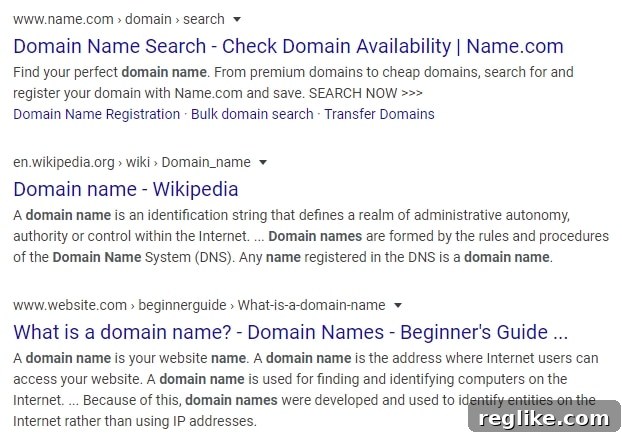
In a significant development that underscores Google’s responsiveness to user feedback, the tech giant appears to be re-evaluating its controversial decision to integrate favicons directly into desktop search results. Just a short while after rolling out a major design overhaul for its Search Engine Results Pages (SERPs) on desktop, mirroring the visual aesthetics of its mobile counterpart, Google is now reportedly testing alternative layouts, including a return to favicon-less results. This ongoing experimentation highlights the delicate balance Google seeks to maintain between enhancing user experience, improving brand recognition for websites, and optimizing its advertising revenue.
The initial change, which took place last month, saw Google’s desktop search results pages adopt a look more closely aligned with its mobile interface. A prominent feature of this redesign was the introduction of favicons – the small, distinctive icons associated with individual websites – placed directly adjacent to the domain name for both organic and paid listings. Additionally, the updated desktop results displayed the second-level domain, a detail not always present on mobile. Google’s stated intention behind this shift was to offer a more consistent and streamlined search experience across devices, while simultaneously allowing users to more easily identify the source of each result through visual branding.
The Initial Rollout and User Reaction to Favicons
Upon its wider release, the favicon-centric design for desktop SERPs met with a mixed, and often critical, reception from the global user base. While some acknowledged the potential for improved brand recognition and a cleaner, more modern aesthetic, a significant portion of the feedback pointed to a major drawback: the blurring of lines between organic search results and paid advertisements. Critics argued that the uniform presentation of favicons for both ad and organic listings made it considerably harder for users to distinguish between sponsored content and editorial search results. The small “Ad” label, often discreetly placed, seemed insufficient to counter the visual prominence given to favicons across the board.
This ambiguity raised concerns among SEO professionals and advocates for transparent search practices. Many feared that the design could inadvertently trick users into clicking on ads, diminishing the value of hard-earned organic rankings and potentially leading to a less trustworthy search experience. The aesthetic “clutter” introduced by the new icons was also a common complaint, with users finding the page less scannable and visually distracting than its predecessor, affecting overall user experience and potentially click-through rates for organic listings.
Google’s Response: Listening to Feedback and Iterating
In a testament to its commitment to continually refine its products based on user input, Google quickly acknowledged the widespread feedback. The official Google SearchLiaison Twitter account, a key channel for communicating updates and addressing concerns from the search community, confirmed that the company was indeed listening. A tweet from the account indicated that Google would be experimenting with new placements for favicons on desktop, directly referencing the user feedback received:
An important update! We’ve heard your feedback about the look. We always want to make Search better, so we’re going to experiment with new placements for favicons on desktop. Please see here for more: https://t.co/R4RjQ53cXe
— Google SearchLiaison (@searchliaison) January 24, 2020
This public statement confirmed that the current testing observed by many users, which includes pages appearing without any favicons at all, is a direct consequence of Google’s effort to address the community’s concerns. Such A/B testing is a standard practice for Google, allowing them to gather empirical data on how design changes impact user behavior, click-through rates (CTR), and overall satisfaction before committing to a permanent rollout. This adaptive approach is crucial for maintaining the quality and relevance of the world’s most used search engine.
Implications for User Experience and SEO Strategies
The back-and-forth on favicon implementation underscores the critical role of visual elements in defining the search experience and influencing user interaction. For organic search results, a favicon can be a powerful branding tool, helping a website stand out and build recognition over time. When implemented effectively, it can enhance trustworthiness and make it easier for users to identify preferred sources. However, the initial rollout demonstrated that even well-intentioned design changes can have unintended consequences, particularly when they diminish clarity or create confusion between different types of search results.
From an SEO perspective, any change to the SERP layout has significant implications. Website owners and marketers constantly strive to optimize their presence on Google, and visual cues play a non-trivial role in attracting clicks. If favicons truly made ads more appealing or indistinguishable from organic results, it could theoretically shift clicks away from organic listings and towards paid ones, potentially increasing advertising revenue for Google. Conversely, removing or repositioning favicons might re-emphasize the distinctiveness of organic results, potentially benefiting those with strong search rankings and improving the perceived fairness of the search landscape.
Google’s testing is presumably meticulous, analyzing how users interact with both organic and paid search results under different design configurations. Metrics such as CTR for various listing types, time spent on the page, and bounce rates will likely be scrutinized. The outcome will not only shape the visual future of Google Search but also impact strategies for search engine marketing and optimization, requiring SEO professionals to adapt their approaches.
The Broader Context: Google’s Continuous SERP Evolution
It’s important to view this favicon experiment within the broader context of Google’s relentless pursuit of optimizing its search interface. Over the years, Google’s SERPs have undergone countless transformations, each designed to improve information retrieval, enhance user engagement, and strategically incorporate advertising. We’ve seen the introduction of rich snippets, knowledge panels, featured snippets, site links, local packs, and numerous ad format variations. Each iteration aims to provide a more comprehensive and intuitive answer to user queries directly on the search results page.
These changes are rarely superficial. They often reflect advancements in Google’s understanding of user intent, the evolution of web content, and the company’s business objectives. The challenge for Google is to innovate while maintaining a user-friendly and trustworthy platform. Each visual tweak, each new feature, is a delicate balance, and sometimes, as with the favicons, the initial attempt doesn’t quite hit the mark with the global audience, necessitating further adjustments and testing.
The history of Google’s SERP design is one of constant iteration. From the early days of simple blue links to today’s complex, feature-rich pages, the goal has always been to present the most relevant information in the most accessible way. Elements like ad labels have evolved significantly over time, becoming more prominent or subtle depending on testing results and regulatory pressures. This favicon saga is another chapter in that ongoing evolution, demonstrating that user feedback remains a vital component in shaping the most used search engine in the world and guiding its future design decisions.
What This Means for Website Owners and SEOs
For website owners and SEO professionals, this situation reinforces a few key takeaways. Firstly, Google’s SERP is a dynamic environment, and adaptability is paramount. Relying on static assumptions about how results will appear is a recipe for being left behind. SEO strategies must be flexible enough to accommodate unexpected design changes, focusing on core principles rather than transient visual elements. Secondly, while visual elements like favicons can contribute to branding and clickability, the fundamental principles of SEO – high-quality, relevant content, technical excellence, strong backlinks, and a user-centric website experience – remain the bedrock of success regardless of SERP aesthetics.
Regardless of whether favicons return, are repositioned, or disappear entirely from desktop results, having a well-designed, recognizable favicon is still crucial, particularly for mobile search and browser tabs. It contributes significantly to overall brand identity and a professional online presence. Website owners should ensure their favicons are distinct, optimized for various sizes and resolutions, and accurately represent their brand across all digital touchpoints.
Furthermore, this incident highlights the importance of monitoring SERP changes. SEOs and digital marketers must stay abreast of Google’s experiments and updates, understanding how new layouts might affect user behavior and, consequently, their traffic and conversions. By observing these changes and understanding the underlying motivations (user experience, ad revenue, accessibility), strategies can be adjusted proactively rather than reactively, ensuring continued success in an ever-changing search landscape.
Conclusion: A Responsive Google and an Evolving Search Landscape
Google’s apparent backtracking on its favicon integration for desktop search results pages is a clear indicator of its responsiveness to user feedback and its continuous commitment to refining the search experience. The initial rollout, intended to create consistency and enhance branding, inadvertently led to confusion for many users regarding the distinction between organic and paid listings. By actively testing alternative solutions, including favicon-less designs, Google is demonstrating its willingness to iterate and adapt when an initial change doesn’t resonate positively with its vast user base, prioritizing user satisfaction.
This episode serves as a powerful reminder that the Google Search Engine Results Page is a constantly evolving canvas. For website owners, SEOs, and digital marketers, the lesson is clear: while striving for visibility and clicks, it is essential to focus on providing genuine value to users, building a strong brand identity, and remaining agile in the face of ongoing algorithmic and design updates. The ultimate goal for Google remains a seamless and effective search experience, and this latest favicon experiment is just another step in that perpetual journey towards an optimized and user-friendly digital environment.