
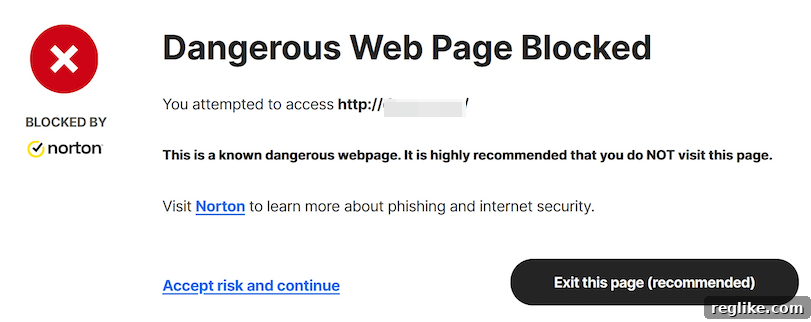
In the fast-paced digital landscape, the visibility of your domain landing pages is paramount. Yet, a staggering tens of millions of potential buyers are consistently prevented from ever seeing them. This hidden barrier represents a significant challenge for domain investors and the entire domain name industry, costing valuable opportunities and hindering sales.
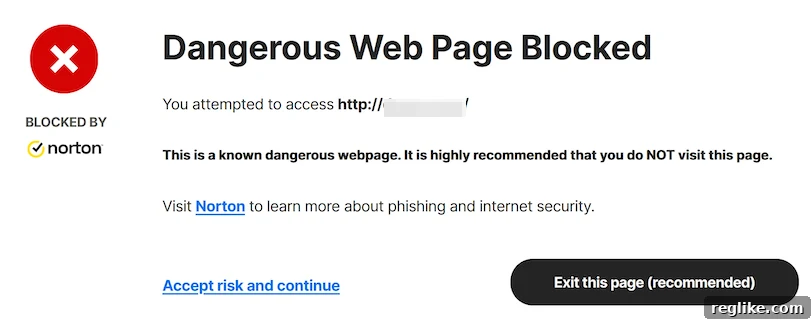
Domain names serve as the foundational real estate of the internet, and for those interested in acquiring them, discovery typically follows one of two primary paths: a direct search for the desired domain at a registrar, often revealing a premium listing, or the straightforward act of typing a domain name into a browser to encounter a dedicated sales landing page. These landing pages are crucial touchpoints, acting as digital storefronts where the value proposition of a domain is presented to prospective buyers.
However, the efficacy of this direct discovery method is increasingly compromised. A growing arsenal of ad blockers and sophisticated web security tools are now aggressively flagging these legitimate domain sales pages as potentially malicious or intrusive content. This proactive filtering inadvertently creates a significant impediment, blocking countless users from accessing and engaging with the very pages designed to facilitate domain transactions. The consequence is a silent but substantial loss of reach and revenue for domain owners and marketplaces alike.
The Silent Gatekeepers: How Ad Blockers Intercept Your Domain Sales
Ad blockers were initially conceived to enhance user experience by eliminating intrusive advertisements from parked pages and general web browsing. Their function was to declutter the digital space, focusing on banners, pop-ups, and tracking scripts. Over time, however, the sophistication and aggressiveness of these tools have evolved dramatically. What began as a measure against overt advertising has, in many instances, expanded to encompass content that, while not traditionally an “ad,” is perceived as unwanted or potentially disruptive. This includes legitimate “for sale” messages on domain landing pages.
A recent and notable example involved uBlock Origin, one of the most widely adopted content and ad blockers globally. With a formidable user base exceeding 37 million on Chrome and an additional 8 million on Firefox, its filtering decisions carry immense weight. Domain investor Michael Sumner highlighted a critical issue where uBlock Origin was, for a period, indiscriminately blocking all domains leveraging the Afternic platform for their sales landers. While this specific issue was eventually resolved, it served as a stark reminder of the fragile visibility of domain assets. Such widespread blocking by popular extensions effectively renders millions of potential impressions invisible, creating an undeniable barrier between eager buyers and valuable domain opportunities. This trend underscores a critical need for domain marketplaces and individual investors to understand and adapt to the ever-changing landscape of user privacy and ad-blocking technologies.
The Evolving Threat Landscape: Beyond Traditional Ads
The challenge posed by ad blockers is not merely about suppressing traditional banner ads; it’s about the broader interpretation of what constitutes ‘unwanted content’. Many domain landing pages, particularly those utilizing established platforms like Afternic or Sedo, often present information in a standardized format that, to an overly aggressive filter, might resemble ad-filled parked pages. This misidentification leads to legitimate sales opportunities being collateral damage in the ongoing war against online clutter. The algorithms employed by these blockers are constantly being updated, and sometimes, legitimate commercial messages get caught in the dragnet, posing a continuous and evolving threat to domain visibility.
Aggressive Web Security Tools: Unseen Obstacles to Domain Acquisitions
Beyond ad blockers, a more insidious threat to domain landing page visibility comes from web security tools. These powerful applications are designed to protect users from malware, phishing attempts, and other cyber threats. While their intent is noble, their implementation can often be overly zealous, leading to legitimate sites and landing pages being mistakenly flagged as dangerous. The consequences for domain sales can be severe, as potential buyers are met with dire warnings or completely blank pages instead of the intended sales pitch.
Malwarebytes Browser Guard: A Case Study in Over-Blocking
Consider Malwarebytes Browser Guard, a highly popular browser extension installed on over 10 million Chrome browsers. This tool has been observed showing blank pages for a substantial number of domains using Afternic and DAN landers. For a domain investor, this scenario is a nightmare: a potential buyer, having typed in a promising domain, is presented with an empty screen, leading to immediate disengagement and a lost sales lead. The psychological impact on the user is also significant; a blank page can imply a broken or non-existent website, eroding trust and discouraging further attempts to access the domain.
Norton Safe Web: Throwing the Baby Out with the Bathwater
Perhaps one of the most prominent examples of overly aggressive filtering comes from the Norton Safe Web plugin. Microsoft reports that this tool is utilized by over 10 million users, giving it immense influence over online browsing experiences. Norton’s filtering is not limited to typical landing pages; it frequently blocks access to pages on high-traffic platforms like GoDaddy Auctions. This issue likely stems from the historical misuse of some expired domains, which may have been acquired for nefarious purposes. Because these domains were once listed on GoDaddy, Norton’s algorithms occasionally apply a broad-brush approach, occasionally flagging the entire site or significant sections of it. This “throwing the baby out with the bathwater” approach creates significant friction for legitimate users and sellers.
The issues extend further: Norton sometimes blocks specific URLs within GoDaddy Auctions, making it impossible for users to manage their accounts effectively. Even more concerning, it has been observed to flag every link to GoDaddy Auctions within email communications as potentially harmful:
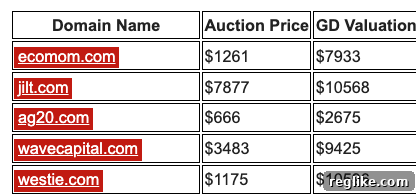
The rationale behind such aggressive flagging by Norton remains somewhat ambiguous, especially considering that the official Norton Safe Web report currently marks auctions.godaddy.com as safe. This discrepancy suggests either a lagging update cycle for their public report or highly localized, dynamic blocking rules that can change without broader notice. Similar issues have been reported by users on platforms like Squadhelp, where Norton appears to target specific domains or even certain URLs within the main Squadhelp.com site. While Norton’s filtering can be overly aggressive, it is fortunate that the company is generally responsive to legitimate blocklist removal requests, offering a pathway, albeit a reactive one, to address these critical visibility issues.
The SSL Imperative: A Growing Concern for Domain Accessibility
Beyond ad blockers and security software, another increasingly significant factor preventing users from accessing domain landing pages is the absence of Secure Sockets Layer (SSL) encryption. SSL, now widely represented by HTTPS in browser address bars, provides a secure, encrypted connection between a user’s browser and a website. Its presence signifies trust and data integrity, making it a fundamental component of modern web browsing. Without SSL, a domain is seen as “not secure,” raising red flags for both users and browsers.
Google Chrome, the world’s most popular web browser, has implemented a setting that mandates SSL for all connections, known as “HTTPS-Only Mode.” When this mode is active, Chrome automatically attempts to upgrade all connections to HTTPS, and if a site (or a forwarded domain) does not support SSL, it will block access and display a warning. While this setting is currently optional for most users, its increasing prevalence and the broader industry push towards HTTPS make its implications profound for domain investors.
The Impact on Forwarded Domains and Marketplaces
The challenge with SSL often arises when domains are forwarded. While major domain marketplaces like Afternic and Sedo have implemented SSL on their primary websites, the issue surfaces when an individual domain name (e.g., yourdomain.com) without its own SSL certificate is merely forwarded to a sales page hosted on Afternic or Sedo. In such cases, if the forwarding domain lacks SSL, Chrome’s HTTPS-Only mode will block the connection, preventing the user from ever reaching the secure landing page on the marketplace. This technicality creates a significant hurdle, as many older domain forwarding setups do not inherently include SSL.
Recognizing this critical need, Afternic began implementing SSL on individual domains last year, a commendable step towards addressing this vulnerability. Dan.com has been proactive in this regard for many years, providing SSL for individual forwarded domains by default. However, testing today reveals that many domains pointing to Sedo Buy Now and Make Offer landing pages still lack SSL and, consequently, are being blocked. Conversely, most Sedo PPC (Pay-Per-Click) pages visited during testing did have SSL and remained accessible. This disparity highlights an inconsistency that needs urgent attention across all major platforms.
The Future of SSL and User Expectations
While Chrome’s HTTPS-Only setting is currently optional for the majority, it is not unreasonable to anticipate it being enabled by default for all users in the near future. This shift would instantly render countless unsecured domain landing pages inaccessible. Furthermore, users who opt for enhanced security, such as those employing Google Advanced Protection, already have this SSL setting turned on by default with no option to disable it. This poses a unique challenge for individuals like myself who rely on extensive domain research. Each instance of a forwarded domain lacking SSL necessitates clicking through a “continue to site” warning, transforming what should be a straightforward research process into an arduous, time-consuming task. As user awareness of web security grows, and as browsers continue to prioritize secure connections, the absence of SSL will increasingly translate into lost visibility and missed sales opportunities for domain investors.
The Broader Implications for Domain Sales and Discoverability
The combined forces of aggressive ad blockers, overzealous web security tools, and the increasing demand for universal SSL present a multi-faceted crisis for the domain industry. Each blocked impression, each warning message, and each blank page represents a lost opportunity, not just for an individual domain investor, but for the entire ecosystem. Potential buyers are deterred, trust is eroded, and the perception of domain acquisition as a straightforward, secure process is undermined. This directly impacts the liquidity and value of domain assets, making it harder for investors to realize returns and for businesses to find their ideal online identities.
The financial implications are substantial. Every time a premium domain goes unseen, it translates into deferred sales, reduced asking prices, or even permanently lost transactions. Beyond the monetary aspect, the reputation of domain marketplaces and the overall integrity of the domain buying process are at stake. If users consistently encounter roadblocks or security warnings when trying to view legitimate domain listings, they will naturally seek alternatives or simply abandon their search. This trend could stifle growth and innovation within the domain name industry.
Strategies for Mitigating the Damage and Restoring Visibility
Addressing these pervasive issues requires a concerted effort from all stakeholders within the domain industry. While individual domain investors can take certain reactive steps, the primary responsibility for systemic change lies with the major marketplace platforms and, to some extent, the developers of blocking software.
For Marketplaces and Platforms: Leading the Change
Domain marketplaces are uniquely positioned to implement broad-scale solutions that protect their users and the assets listed on their platforms:
- Universal SSL Implementation: The most immediate and impactful action is to implement SSL on all domain names, irrespective of whether they are directly hosted or merely forwarding to a page on their marketplaces. This ensures that every potential impression is secured with HTTPS, meeting modern browser standards and user expectations.
- Proactive Engagement with Blocker Developers: Marketplaces must establish direct lines of communication with the developers of popular ad blockers and web security tools. This includes actively pleading for the removal of legitimate domain landing pages from blocklists and working collaboratively to refine filtering algorithms to distinguish between malicious content and genuine sales pages.
- Robust and Continuous Testing: It is imperative for platforms to maintain a proactive stance by continuously testing their landing pages against a wide array of ad blockers and security tools. This constant vigilance, rather than waiting for domain investors to report issues, allows for swift identification and resolution of new blocking incidents.
- Improved Communication with Domain Investors: Transparent communication regarding known blocking issues, resolution efforts, and best practices for domain visibility would empower investors and build greater trust within the community.
For Domain Investors: Your Role in the Solution
While platforms bear the brunt of the technical heavy lifting, domain investors also have a vital role to play in safeguarding the visibility of their assets:
- Vigilant Monitoring and Reporting: Be diligent in monitoring the accessibility of your domain landing pages. Whenever you encounter an issue—whether it’s a blank page, a security warning, or an ad blocker notification—promptly report it to the respective marketplace platform. Detailed reports, including screenshots and specific blocker names, are invaluable for diagnosis.
- Direct Contact with Blocker Developers: In certain instances, such as with Norton Safe Web, investors can directly contact the developers of the blocking software to request blocklist removal. Providing proof of legitimacy and explaining the commercial intent of the page can often expedite the review process.
- Due Diligence When Choosing Platforms: Favor marketplaces that demonstrate a clear commitment to addressing these visibility challenges, particularly those that offer universal SSL for forwarded domains and actively engage with security and ad-blocker providers.
- Understanding Technical Requirements: Educate yourself on the technical requirements of modern web browsing, especially regarding SSL. While platforms should manage this, understanding the underlying issues helps in troubleshooting and reporting.
The Future Landscape of Domain Discoverability
The challenges to domain landing page visibility are not transient; they are indicative of a broader trend towards a more secure, privacy-focused, and less cluttered internet. As browser technologies evolve and user expectations for digital safety increase, the need for domain sales pages to be inherently trustworthy and technically compliant will only grow. The future of domain discoverability hinges on a collaborative effort: marketplaces must invest in robust infrastructure and proactive communication, while domain investors must remain vigilant and engaged. Only through collective action can the industry ensure that the tens of millions of potential buyers currently being blocked can finally see the valuable domain names awaiting them.