
Tim Berners-Lee’s World Wide Web Source Code: An NFT Auction at Sotheby’s
In a groundbreaking move that merges the history of the internet with the burgeoning world of digital collectibles, Sir Tim Berners-Lee, the visionary creator of the World Wide Web, is auctioning off an NFT (non-fungible token) representing the original source code of his revolutionary creation. This historic event, taking place at the prestigious Sotheby’s auction house, marks a significant moment in the evolution of both the internet and the art world.
The Digital Legacy on the Blockchain
The concept of NFTs has exploded in recent years, allowing creators and collectors to tokenize virtually anything – from digital art and music to virtual real estate and in-game items. Now, Tim Berners-Lee is joining the NFT revolution, offering a unique piece of internet history to the highest bidder. This NFT isn’t just a piece of digital art; it’s a tangible representation of the very foundation of the online world as we know it.
The auction, titled Source Code for the WWW, is being conducted through Sotheby’s. The current bidding has already surpassed $1.1 million with several days remaining, highlighting the immense interest and perceived value of this digital artifact. This auction transcends a mere transaction; it’s a celebration of innovation and a testament to the enduring impact of the World Wide Web.
What’s Included in the “Source Code for the WWW” NFT?
The Sotheby’s lot description provides a detailed breakdown of what the winning bidder will receive:
-
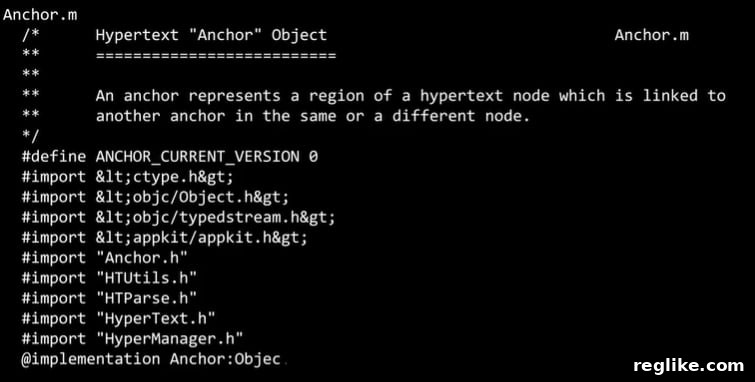
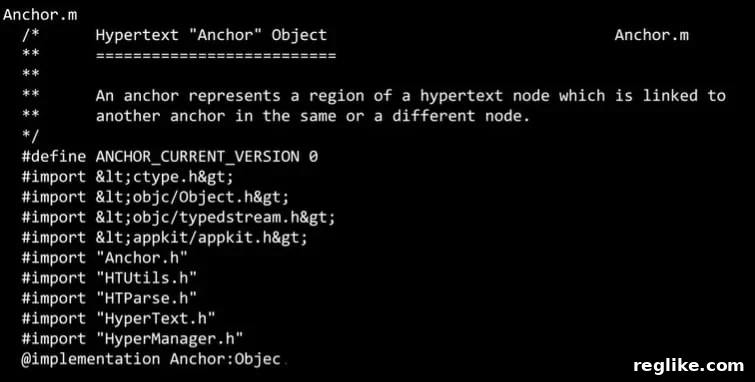
Original Archive of Source Code Files: This includes dated and time-stamped files containing the original source code written between October 3, 1990, and August 24, 1991. These files comprise approximately 9,555 lines of code, which include implementations of the core languages and protocols invented by Sir Tim Berners-Lee:
- HTML (Hypertext Markup Language): The foundation of web pages, defining the structure and content of websites.
- HTTP (Hyper Transfer Protocol): The protocol used for transferring data over the web, enabling communication between web browsers and servers.
- URIs (Uniform Resource Identifiers): The addressing system that allows resources on the web to be uniquely identified and located.
Furthermore, the archive contains the original HTML documents that provided early web users with instructions on how to utilize the nascent application.
-
Animated Visualization of Code Writing: A captivating black and white video, lasting 30 minutes and 25 seconds, visually depicts the process of Sir Tim Berners-Lee writing the original source code. This animation provides a unique glimpse into the creation of the web.
-
Scalable Vector Graphics (SVG) Representation of the Full Code: Sir Tim Berners-Lee created an SVG representation of the complete source code using Python. The SVG, measuring 841mm wide by 1189mm high (A0 size), includes a graphic representation of his physical signature in the lower right corner, adding a personal touch to the digital artwork.
-
Letter of Reflection: A letter written by Sir Tim Berners-Lee in June 2021, included in the README.md file (in “markdown” format), reflects upon the code and his creative process in building the World Wide Web. This personal reflection offers valuable insights into the mind of the internet pioneer.
A Copy of History, Tokenized
It’s important to emphasize that the auction is for a copy of these items minted as an NFT. The original source code remains a vital part of the ongoing evolution of the internet, but this NFT provides a unique and verifiable ownership of a significant piece of that history. The successful bidder will not own the World Wide Web itself, but rather a tokenized representation of its origins, authenticated on the blockchain.
The Bidding Process and Payment Options
As of now, the auction has attracted considerable attention, with a significant number of bids already placed. The auction allows for payment in both traditional U.S. dollars and various cryptocurrencies, reflecting the growing acceptance of digital currencies in the art market and beyond. This flexibility makes the auction accessible to a wider range of potential buyers, further fueling the excitement surrounding this historic event.
Why This NFT Matters
The auction of Tim Berners-Lee’s World Wide Web source code as an NFT represents more than just a financial transaction. It symbolizes the convergence of history, technology, and art. It highlights the enduring legacy of the World Wide Web and its profound impact on society. Furthermore, it underscores the growing importance of NFTs as a means of preserving and showcasing digital artifacts.
This NFT provides a tangible link to the origins of the internet, allowing collectors and enthusiasts to own a piece of this revolutionary technology. It’s a testament to the power of innovation and the lasting impact of a single idea that transformed the world. The auction at Sotheby’s serves as a reminder of the profound changes brought about by the World Wide Web and its continuing evolution.
The sale is significant for several reasons:
- It acknowledges the historical value of digital creation.
- It highlights the potential of NFTs to revolutionize art and collectibles.
- It commemorates the legacy of Tim Berners-Lee and his contribution to humanity.
Ultimately, the auction of the World Wide Web source code NFT represents a pivotal moment in the history of the internet and digital art. It’s a celebration of innovation, a testament to the enduring power of the web, and a glimpse into the future of digital collectibles. As the bidding continues, the world watches with anticipation to see who will become the custodian of this invaluable piece of internet history.
The Future of Digital Collectibles
The implications of this auction extend far beyond the specific piece of history being offered. It sets a precedent for how other significant digital artifacts can be preserved and valued. By using NFT technology, creators and institutions can ensure the authenticity and ownership of digital assets, opening up new avenues for funding, preservation, and appreciation.
This event will undoubtedly spark further interest in the NFT space, attracting new creators, collectors, and investors. It also raises important questions about the role of technology in preserving cultural heritage and the evolving definition of art in the digital age.
As the digital world continues to evolve, NFTs are likely to play an increasingly important role in how we create, share, and value digital content. The auction of Tim Berners-Lee’s World Wide Web source code is just the beginning.
This NFT serves as a time capsule, encapsulating the spirit of innovation and collaboration that defined the early days of the internet. It’s a reminder that the World Wide Web was built on open standards and a commitment to universal access. As the web continues to evolve, it’s important to remember these principles and ensure that the internet remains a force for good in the world.
Whether you’re a seasoned NFT collector, a history buff, or simply someone curious about the future of the internet, the auction of Tim Berners-Lee’s World Wide Web source code is an event worth watching. It’s a reminder of the power of innovation and the enduring legacy of the World Wide Web.