
Tencent’s “Moments” Trademark Filings: A Response to Twitter’s Feature Launch?
The world of social media is constantly evolving, with platforms introducing new features and functionalities to attract and retain users. In a notable development, Twitter launched its “Moments” feature on October 6th, aiming to curate trending topics and make them more accessible to a wider audience. However, this launch seems to have triggered a response from Chinese tech giant Tencent, leading to a potential trademark conflict.
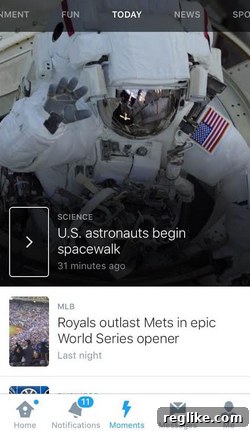
Twitter’s “Moments” feature was designed to provide users with a curated collection of the best content surrounding trending topics. It aimed to simplify the discovery of relevant information and engaging stories, ultimately enhancing user experience and driving engagement. While the feature itself was well-received, its name quickly became a subject of interest, particularly in relation to Tencent’s existing and potential branding strategies.
Tencent, a major player in the global social networking landscape, boasts a vast portfolio of services, including popular microblogging platforms and other social media applications. Recognizing the potential overlap in branding and market positioning, Tencent appears to have taken proactive measures to protect its interests concerning the term “Moments.”
On October 16th, just ten days after Twitter unveiled its “Moments” feature, Tencent filed two trademark applications with the U.S. Patent and Trademark Office (USPTO) for the term “Moments.” This move has fueled speculation that Tencent’s actions are directly related to Twitter’s launch and a strategic maneuver to safeguard its brand identity and future business opportunities in the US market.
The first trademark application filed by Tencent pertains to services already in use, with the company claiming a first-use-in-commerce date of 2012. This application, accessible at Trademark247.com, covers specific fields of use that, while limited, could potentially clash with Twitter’s “Moments” feature. The details within this application will be crucial in determining the extent of Tencent’s existing trademark rights and the potential for conflict with Twitter’s usage of the term.
The second trademark application, also available at Trademark247.com, was filed as an intent-to-use application, further asserting Tencent’s ambition to utilize the “Moments” brand in the future. This application also claims foreign priority, indicating that Tencent may already have trademark rights or applications pending in other countries. The scope of activities covered in this application is extensive, encompassing a wide range of social networking-related services. This broad coverage significantly increases the potential for conflict with Twitter’s “Moments” feature, as it suggests Tencent’s intent to use the term across various aspects of its social media offerings.
The timing of Tencent’s trademark filings, so close to Twitter’s “Moments” launch, strongly suggests a reactive approach. It appears that Tencent is seeking to establish its legal rights to the term “Moments” in the United States, potentially preventing Twitter from expanding its feature or even forcing a rebranding effort. This proactive measure highlights the importance of intellectual property protection in the competitive social media landscape.
The implications of these trademark filings are significant for both Tencent and Twitter. If the USPTO approves Tencent’s applications, Twitter could face challenges in using the “Moments” name in the US market. This could lead to costly legal battles or require Twitter to rebrand its feature, which could impact its brand recognition and user adoption.
Conversely, if the USPTO rejects Tencent’s applications, it could weaken Tencent’s position in the social media market and open the door for other companies to use the “Moments” name. The outcome of this trademark dispute will likely set a precedent for future intellectual property conflicts in the rapidly evolving world of social media.
The situation raises several key questions. Will the USPTO grant Tencent’s trademark applications? Will Twitter challenge Tencent’s claims? And how will this potential conflict ultimately impact the branding and market positioning of both companies? The answers to these questions will undoubtedly shape the future of social media and highlight the critical importance of protecting intellectual property assets.
This case serves as a reminder of the intense competition in the tech industry and the lengths to which companies will go to protect their brand identity. Trademark law plays a crucial role in safeguarding innovation and preventing consumer confusion. As the social media landscape continues to evolve, it is essential for companies to proactively manage their intellectual property rights and anticipate potential conflicts.
Furthermore, the “Moments” trademark saga underscores the global nature of intellectual property protection. Companies operating in multiple countries must be vigilant in registering and enforcing their trademarks in each jurisdiction. Failure to do so can leave them vulnerable to infringement and jeopardize their brand reputation.
In conclusion, Tencent’s trademark applications for “Moments” represent a potentially significant challenge to Twitter’s new feature. The outcome of this dispute will have far-reaching implications for both companies and the broader social media industry. It highlights the importance of proactive trademark protection, strategic branding, and the ongoing battle for dominance in the digital realm. As the case progresses, industry observers will be closely watching to see how this “Moment” in trademark history unfolds.
The coming months will be crucial in determining the fate of the “Moments” trademark. Both Tencent and Twitter will likely engage in legal maneuvering to protect their respective interests. The USPTO’s decision will ultimately shape the future of the “Moments” brand and the competitive landscape of social media. This case is a prime example of how intellectual property rights can play a pivotal role in the success or failure of a company in today’s dynamic business environment.
The world will be watching to see if these companies can both co-exist in the market or if one will have to rebrand to continue.