
The Perils of Typo Domain Investing: A $2,250 Lesson
The world of domain investing is filled with opportunities and pitfalls. While some investors focus on premium keywords and brandable names, others explore the realm of typo domains – domains that intentionally misspell popular websites or brands. The allure is simple: catch users who accidentally mistype a URL and monetize their traffic through advertising or redirect them to the intended destination. However, this strategy is fraught with risks, as highlighted by a recent domain name auction that raises serious questions about the viability and ethics of typo domain investing.
A specific domain name auction, concluded recently, has sparked debate within the domaining community. The auction’s outcome prompts us to consider fundamental aspects of this niche market:
- Do domain parkers genuinely click on ads displayed on parked pages when they inadvertently land there? This question delves into the potential for self-generated revenue within the typo domain ecosystem.
- What motivates someone to invest a significant sum, in this case $2,250, on a domain that is highly susceptible to being lost through arbitration? This scenario forces us to analyze the risk assessment and due diligence processes, or lack thereof, involved in such transactions.
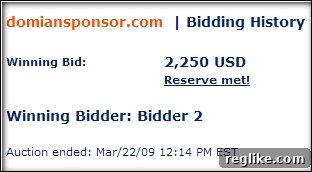
Example of a potential typo domain scenario.
The Allure and the Risks of Typo Domains
The attraction of typo domains lies in their potential to capture residual traffic. Millions of internet users unintentionally misspell website addresses daily. By owning the misspelled versions of popular domains, investors hope to capitalize on this accidental traffic. The monetization strategies typically involve:
- Domain Parking: Displaying advertisements on the domain and earning revenue each time a visitor clicks on an ad. This is the most common approach.
- Traffic Redirection: Redirecting users to the intended website, potentially earning a commission for each referral.
- Sale to the Brand: Offering the domain to the company whose name is being misspelled, often at a premium price.
However, the risks associated with typo domains are substantial. The most significant threat is the potential for legal action by the owners of the original trademarks or brand names. This is where the Uniform Domain-Name Dispute-Resolution Policy (UDRP) and arbitration come into play.
Understanding UDRP and Domain Arbitration
The UDRP is a streamlined process established by the Internet Corporation for Assigned Names and Numbers (ICANN) to resolve disputes concerning domain names. If a trademark owner believes that a domain name infringes on their trademark rights, they can file a UDRP complaint. The burden of proof rests on the trademark owner, who must demonstrate that the domain name:
- Is identical or confusingly similar to their trademark.
- The domain name registrant has no rights or legitimate interests in the domain name.
- The domain name was registered and is being used in bad faith.
If the trademark owner successfully proves these elements, the domain name will typically be transferred to them. This outcome renders the investment in the typo domain worthless.
Therefore, acquiring typo domains that closely resemble established trademarks is an extremely risky endeavor. While the potential for short-term gains might be tempting, the likelihood of losing the domain through arbitration is high. This is precisely why the aforementioned auction raises concerns.
Questioning the Rationale Behind the Purchase
Why would someone spend $2,250 on a domain that is almost certain to be subject to a UDRP complaint? Several possibilities exist:
- Lack of Due Diligence: The buyer may not have adequately researched the potential trademark implications of the domain name. This highlights the importance of conducting thorough trademark searches before investing in any domain.
- Misunderstanding of UDRP: The buyer may be unfamiliar with the UDRP process and the likelihood of losing the domain.
- Speculative Gamble: The buyer may be hoping to generate sufficient revenue from domain parking or traffic redirection before a UDRP complaint is filed, aiming for a quick profit before the inevitable transfer. This is a high-risk, high-reward strategy.
- Naivete: The buyer may simply be inexperienced in domain investing and unaware of the inherent risks associated with typo domains.
Regardless of the buyer’s motivation, the purchase serves as a cautionary tale for aspiring domain investors. Thorough research, a clear understanding of trademark law, and a realistic assessment of risk are crucial for success in this competitive market.
The Role of Domain Marketplaces
Domain marketplaces like Sedo play a vital role in facilitating domain name transactions. They provide a platform for buyers and sellers to connect, conduct auctions, and securely transfer ownership. However, these marketplaces also have a responsibility to ensure that the domains listed on their platforms do not infringe on trademark rights.
While it’s impossible for a marketplace to vet every single domain name, they should have mechanisms in place to address potential trademark violations. This could involve:
- Monitoring auctions for domains that closely resemble established trademarks.
- Responding promptly to complaints from trademark owners.
- Removing domains that are subject to ongoing UDRP proceedings.
By proactively addressing trademark concerns, domain marketplaces can help to maintain the integrity of the domain name ecosystem and protect the rights of trademark owners.
A Post-Auction Update
Following the conclusion of the auction, an update revealed that the transaction was canceled. This suggests that either the buyer recognized the inherent risks involved or Sedo intervened after becoming aware of the potential trademark issues. This incident underscores the importance of vigilance and proactive measures in preventing questionable domain sales.
While Sedo typically acts swiftly to address such issues when notified, the incident highlights the challenges in monitoring every auction and domain listing. The sheer volume of transactions necessitates a collaborative approach, where both marketplaces and trademark owners actively identify and report potential violations.
Lessons Learned
The case of this unwise typo domain purchase offers valuable lessons for anyone considering investing in domain names:
- Conduct Thorough Research: Before investing in any domain, conduct comprehensive trademark searches to identify potential conflicts.
- Understand Trademark Law: Familiarize yourself with the principles of trademark law and the UDRP process.
- Assess Risk Realistically: Be aware of the risks associated with typo domains, including the likelihood of losing the domain through arbitration.
- Focus on Quality: Prioritize high-quality, brandable domains that are less likely to infringe on trademark rights.
- Exercise Caution: Be wary of domains that seem too good to be true, as they may be subject to legal challenges.
Conclusion: Investing Wisely in the Domain Name Landscape
The domain name market presents exciting opportunities for investors, but it’s crucial to approach it with caution and due diligence. While typo domains can offer the potential for quick profits, the risks often outweigh the rewards. A more sustainable and ethical approach involves focusing on quality domains, understanding trademark law, and conducting thorough research. By investing wisely and responsibly, you can navigate the complexities of the domain name landscape and build a successful portfolio.