
Cybersquatting Arbitration Cases Decline: A Detailed Examination
The digital landscape is constantly evolving, and with it, the challenges faced by businesses in protecting their brands online. One of the key issues is cybersquatting, the practice of registering domain names that are similar to existing trademarks with the intention of profiting from the goodwill of the brand. While cybersquatting remains a concern, recent data suggests a shift in the trend. Specifically, the number of arbitration cases related to cybersquatting saw a decrease in recent years, prompting a closer look at the factors driving this change.
This analysis delves into the data surrounding cybersquatting arbitration cases, examining the roles of key organizations like the World Intellectual Property Organization (WIPO) and the National Arbitration Forum (NAF). We will explore the data, analyzing the reasons behind the decline and the implications for businesses seeking to protect their online presence.
Analyzing the Decline in UDRP Cases
The Uniform Domain Name Dispute Resolution Policy (UDRP) is a widely used mechanism for resolving disputes related to cybersquatting. Managed by organizations like WIPO and NAF, the UDRP provides a streamlined and cost-effective process for trademark holders to reclaim domain names that infringe on their rights. The number of UDRP cases filed each year serves as a key indicator of the prevalence of cybersquatting.
Recent data indicates a decrease in the number of UDRP cases filed. While WIPO might have experienced a slight increase in case filings, the National Arbitration Forum (NAF) witnessed a significant drop, reaching its lowest level in several years. This overall decline suggests a potential shift in the landscape of cybersquatting and online brand protection.
To gain a clearer understanding of the trends, we need to consider the total number of cases handled by both WIPO and NAF. While precise figures may vary depending on the source, aggregating the data from these organizations provides a comprehensive overview of the UDRP landscape. Comparisons with previous years reveal a noticeable decrease in the total number of cases, reinforcing the notion that cybersquatting arbitration is on the decline.
The Cybersquatting Rate: Cases per Registered Domain
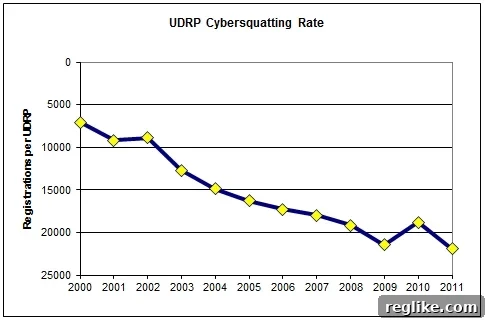
Beyond the absolute number of UDRP cases, it’s crucial to consider the cybersquatting rate, defined as the number of cases per registered domain. This metric provides a more nuanced perspective, taking into account the growth of the internet and the increasing number of registered domain names. When the total number of UDRP cases is compared to the ever-expanding pool of registered domains (particularly .com domains), the cybersquatting rate has reached an all-time low.
This decline in the cybersquatting rate suggests that, while the internet continues to grow, the relative incidence of cybersquatting is decreasing. This could be attributed to several factors, including increased awareness of cybersquatting, more effective enforcement mechanisms, and changes in the behavior of domain name registrants.
Factors Influencing Cybersquatting Trends
It’s important to acknowledge the various factors that can influence the number of UDRP cases filed and the overall perception of cybersquatting trends. These factors include:
- Domain Extensions: Focusing solely on .com domains provides a useful benchmark, but it’s essential to remember that cybersquatting can occur across a wide range of Top-Level Domains (TLDs). The inclusion of data from other TLDs would provide a more comprehensive picture of the overall cybersquatting landscape.
- Alternative Dispute Resolution Providers: While WIPO and NAF are the leading providers of UDRP services, other arbitration providers also handle cybersquatting cases. Although these providers handle a smaller number of cases, their contributions should not be overlooked.
- Enforcement Strategies: The number of UDRP cases filed does not necessarily reflect the actual level of cybersquatting activity. It’s possible that there is more cybersquatting occurring, but trademark holders are choosing to pursue alternative enforcement strategies, such as cease and desist letters or legal action.
- Aggressive Filers: Some trademark holders, such as large corporations with extensive brand portfolios, may file a disproportionately large number of UDRP cases. These “mass filers” can skew the overall statistics and make it difficult to assess the true extent of cybersquatting.
The Implications of Declining Cybersquatting Cases
The decline in cybersquatting arbitration cases has several potential implications for businesses and brand owners:
- Reduced Legal Costs: Fewer UDRP cases could translate to lower legal costs for trademark holders, freeing up resources for other brand protection initiatives.
- Improved Online Reputation: A decrease in cybersquatting activity can help maintain a brand’s online reputation and prevent consumer confusion.
- Greater Control Over Online Presence: By proactively monitoring domain name registrations and enforcing their trademark rights, businesses can gain greater control over their online presence.
The Importance of Proactive Brand Protection
Despite the decline in cybersquatting arbitration cases, it’s crucial for businesses to remain vigilant and proactive in protecting their brands online. This includes:
- Trademark Registration: Registering trademarks is the first step in establishing legal rights and protecting a brand from infringement.
- Domain Name Monitoring: Regularly monitoring domain name registrations for potential cybersquatting activity is essential for early detection and prevention.
- Enforcement Strategies: Developing a comprehensive enforcement strategy that includes UDRP filings, cease and desist letters, and legal action can help deter cybersquatting and protect brand assets.
- Consumer Education: Educating consumers about the risks of cybersquatting and the importance of purchasing products and services from authorized sources can help prevent brand damage.
Conclusion: Adapting to the Evolving Landscape
The decline in cybersquatting arbitration cases suggests a positive trend in the fight against online brand infringement. However, it’s crucial to avoid complacency and remain proactive in protecting brand assets. By understanding the factors influencing cybersquatting trends, implementing effective brand protection strategies, and adapting to the evolving digital landscape, businesses can safeguard their online presence and maintain a strong brand reputation.
The information presented in this analysis is based on available data and industry insights. It is intended for informational purposes only and should not be considered legal advice. Businesses should consult with legal professionals to develop specific brand protection strategies tailored to their individual needs.
As the internet continues to evolve, so too will the challenges of online brand protection. By staying informed, proactive, and adaptable, businesses can effectively navigate the ever-changing landscape and protect their brands from the threat of cybersquatting and other forms of online infringement. This proactive approach is critical for maintaining brand integrity, building customer trust, and ensuring long-term success in the digital age.