
The Qtags Revolution: A Masterclass in Mobile Engagement and the Power of .mobi
In the dynamic landscape of digital communication, where brevity and impact often dictate success, the innovative application of mobile technologies stands as a testament to forward-thinking entrepreneurship. While the early days of Web 2.0 saw their share of naming conventions and digital strategies that perhaps missed the mark, a particular presentation at the Rice Alliance Information Technology and Web 2.0 Venture Forum provided a compelling example of how to perfectly marry a service with its delivery mechanism. This case study, centered around the company Qtags and its strategic use of the .mobi domain, illuminates a brilliant approach to mobile marketing and audience engagement that remains instructive even today.
The core concept of Qtags was elegantly simple yet profoundly effective: a service designed to bridge the gap between physical world prompts and instant digital information. Imagine seeing a captivating advertisement, a job opening notice, or an event poster. Instead of laboriously typing a long web address or jotting down details, Qtags allowed users to send a concise keyword, or “tag,” via text message to a designated five-digit short code. In return, they would instantaneously receive relevant information directly to their mobile device, often accompanied by a convenient bookmark saved within their personal Qtags account for future reference. This instant gratification model was, and still is, a cornerstone of effective mobile interaction.
Understanding the Strategic Value of .mobi Domains in Early Mobile Web
To fully appreciate the genius of Qtags’ approach, it’s essential to understand the context of the .mobi domain. Launched with great fanfare, the .mobi top-level domain (TLD) was specifically designed to identify websites optimized for mobile phone browsers. In an era predating widespread responsive web design, where mobile devices had vastly different screen sizes, processing powers, and connectivity speeds compared to desktop computers, .mobi offered a clear signal to users that a site was built from the ground up to provide an optimal mobile experience. These sites were typically leaner, faster to load, and featured simplified navigation tailored for smaller touchscreens or keypads.
For businesses, having a .mobi site was more than just a trend; it was a commitment to accessibility and user experience. It ensured that critical information could reach users quickly and efficiently, bypassing the frustrations often associated with trying to navigate a full desktop website on a nascent mobile browser. The .mobi domain served as a quality assurance mark, promising a streamlined interaction that was crucial for capturing attention in a world increasingly on the go.
Qtags: Revolutionizing Information Access Through SMS and Mobile Web
The utility of Qtags extended across a multitude of potential applications, making it a versatile tool for both consumers seeking information and businesses aiming to disseminate it. Consider a few illustrative scenarios:
- Job Hunting: A job seeker spots a “Hiring Now” sign outside a retail store. Instead of entering the store or searching online later, they simply text ‘JOBS’ to the specified Qtags number. Within moments, they receive a text message containing direct application links, job descriptions, or contact details, along with a bookmark in their Qtags account to follow up later.
- Real Estate: A prospective homebuyer drives past a “For Sale” sign. A quick text of ‘ADDRESS_CODE’ to the Qtags number provides instant access to property details, photo galleries, virtual tours, and agent contact information, all optimized for their mobile device.
- Event Promotion: An event organizer wants to quickly share details for an upcoming concert or festival. Attendees can text ‘EVENT_NAME’ and receive schedules, ticket links, venue maps, and last-minute updates directly to their phones.
- Product Information: In a retail environment, customers could text a product ID to receive specifications, reviews, price comparisons, or even exclusive discounts.
This service not only offered unparalleled convenience to the user but also provided businesses with a powerful, measurable, and highly engaging marketing channel. It transformed static advertisements into interactive touchpoints, fostering immediate engagement and providing valuable data on consumer interest and interaction.
The Quintessential Elevator Pitch: A Live Demonstration of Value
The brilliance of Qtags truly shone during its elevator pitch at the aforementioned Rice University conference. An elevator pitch, by definition, is a brief, persuasive speech that you can use to spark interest in what your organization does. It should be concise enough to be delivered in the time it takes to ride an elevator, typically 30 seconds to two minutes. However, Qtags elevated this concept by not just explaining their service, but by *demonstrating* it live, creating an unforgettable and highly effective presentation.
The presenter, understanding the power of direct engagement, didn’t just talk about the Qtags platform; they invited the audience to experience it firsthand. The instruction was simple yet profound: “Please text ‘RICE’ to the short code 78247.” This simple call to action transformed a passive audience into active participants. The air buzzed with anticipation as attendees pulled out their phones, typed the keyword, and hit send.
Within mere seconds – a critical measure of success in mobile interaction – the collective gasp of realization swept through the room. Each audience member received a text message back. This message wasn’t just a confirmation; it contained a direct link: m.qtags.mobi/rice. Tapping this link immediately transported them to a mobile-optimized webpage – a .mobi site – which held the company’s comprehensive pitch to potential investors. This wasn’t a dry PowerPoint presentation; it was a live, interactive, and highly personalized demonstration of the Qtags value proposition.
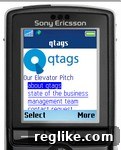
The strategic genius of this demonstration was multifaceted. Firstly, it showcased the Qtags service in its purest form, allowing potential investors to not only understand its functionality but to *feel* its immediate impact and convenience. Secondly, the use of the .mobi link was crucial. At a time when mobile web browsing was often clunky, delivering content via a dedicated mobile-friendly site ensured a seamless, frustration-free experience. The investors received a crisp, fast-loading page perfectly formatted for their phone, containing all the essential details of the pitch, financial projections, and team information.
The Lasting Impact: A Blueprint for Mobile-First Engagement
The Qtags elevator pitch stands as a brilliant case study in effective communication and innovative technology deployment. It perfectly encapsulated the product’s value proposition by literally putting it in the hands of the audience. It demonstrated:
- Instant Gratification: The speed of response highlighted the efficiency of the Qtags system.
- Simplicity: A complex service was distilled into a simple text command and a single click.
- Relevance: The content delivered was directly relevant to the audience (investor pitch details).
- Accessibility: The .mobi site ensured that the information was consumable on any mobile device present.
- Memorability: Experiencing the product firsthand left a far greater impression than any verbal description could achieve.
While the digital landscape has evolved considerably since the early Web 2.0 era, and dedicated .mobi domains have largely been superseded by responsive web design and mobile-first development principles, the core lessons from Qtags remain profoundly relevant. The imperative to provide immediate, contextually relevant, and mobile-optimized content is stronger than ever. Today, businesses leverage QR codes, rich SMS messages, push notifications, and sophisticated progressive web apps (PWAs) to achieve similar levels of engagement and information delivery.
The Qtags example serves as a timeless reminder for entrepreneurs and marketers alike: to truly capture attention and convey value, sometimes the most effective strategy is to let your product speak for itself. By integrating a live demonstration that utilized the cutting-edge mobile technology of its time, Qtags not only delivered a compelling pitch but also painted a vivid picture of the future of interactive information access. It was, without a doubt, a clever, effective, and prescient use of mobile technology that showcased the immense potential of connecting the physical and digital worlds through simple, user-centric solutions.