
The Genesis of a Global Brand: Unpacking the Netflix Naming Story
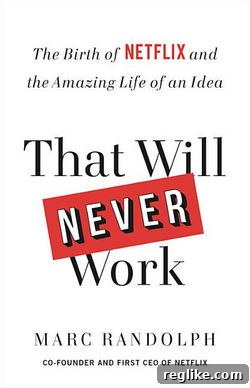
Every legendary company begins with an idea, a dream, and inevitably, a name. For Netflix, a brand synonymous with digital entertainment worldwide, the path to its iconic moniker was fraught with practical challenges, creative brainstorming, and even a few near misses. The compelling backstory of how Netflix came to be named is meticulously recounted by co-founder Mark Randolph in his insightful memoir, That Will Never Work: The Start-up Story of Netflix that Defined an Era. This account offers invaluable lessons for any aspiring entrepreneur grappling with one of the most crucial initial decisions: what to call your nascent venture.
In the nascent days of the internet, when startups were emerging at a rapid pace, establishing a distinct and memorable identity was paramount. Randolph and his team faced the common entrepreneurial dilemma of finding a name that not only resonated with their immediate vision but also possessed the flexibility to evolve with the company over time. Their journey underscores the blend of strategic thinking, creative compromise, and a dash of pragmatism required to brand a groundbreaking enterprise.
The Initial Scramble: Placeholder Names and Early Concepts
Before the grand unveiling, many startups opt for a placeholder or “beta” name – a temporary tag that allows operations to commence while the definitive brand identity is still under construction. For Netflix, this initial moniker was “Kibble.” Mark Randolph himself owned the Kibble.com domain name, a practical choice that highlights an often-overlooked aspect of early internet business: domain ownership could significantly influence preliminary branding decisions. While Kibble served its purpose as a temporary identifier, the team universally understood it was far from the polished, permanent name they envisioned for their revolutionary DVD rental service.
As the launch date loomed closer, the pressure to finalize a name intensified. Randolph details the methodical approach they adopted, transforming a simple whiteboard into a canvas for their branding aspirations. Two distinct columns emerged: one dedicated to words associated with the internet, and the other to terms related to movies. This systematic approach aimed to combine these core elements seamlessly, reflecting the company’s dual nature – a web-based service for film enthusiasts.
“Soon after we’d moved in the building, Christina and I had written two columns on the whiteboard. One was filled with words related to the internet. The other was filled with words related to movies. We’d decided that the best name for our company would combine two words: one related to movies, one related to the internet. The best name would combine both terms seamlessly, with a minimum of syllables and letters.”
“Picking a name is incredibly difficult. For one thing, you need something catchy, something that rolls off the tongue and is easy to remember. One- or two-syllable words are best…”
“…Too many syllables, too many letters, and you run the risk of people misspelling your website. Too few letters, and you risk them forgetting the name.”
Randolph’s reflections articulate the universal principles of effective naming. A great name isn’t just creative; it’s functional. It needs to be memorable, easy to pronounce, and ideally, short. Excessive syllables or complex spellings can hinder recall and lead to frustrating misspellings of a website address, a critical flaw in the early days of online commerce. Conversely, a name that is too short or generic might lack distinctiveness, making it forgettable in a crowded marketplace. The sweet spot, as the Netflix team discovered, lay in a delicate balance.
Exploring Alternatives: Names That Didn’t Make the Cut
The whiteboard brainstorming session yielded a plethora of potential names, each carrying its own set of pros and cons. Among the contenders that were considered but ultimately set aside were names like TakeTwo, Luna, CinemaCenter, and NowShowing. These names, while descriptive to varying degrees, likely didn’t possess the desired blend of brevity, memorability, and future-proofing that the team sought. Each discarded option was a step closer to understanding what the ideal name truly needed to embody.
The $40,000 Question: The Rent.com Dilemma
One name that held a particular appeal for Mark Randolph was “Rent.com.” It was concise, highly descriptive of their initial business model (renting DVDs), and undoubtedly catchy. However, Randolph deliberately kept it off the whiteboard for a crucial reason: the asking price for the domain name was a staggering $40,000. In the late 1990s, this sum represented a significant chunk of a fledgling startup’s limited capital, a substantial investment that felt prohibitive at the time.
While $40,000 for Rent.com might seem like an absolute steal in today’s domain market, the decision to pass on it turned out to be a stroke of inadvertent genius. Randolph’s reflection highlights a profound lesson in brand longevity and adaptability. Had Netflix acquired and used Rent.com, the company’s identity would have been irrevocably tied to the concept of “renting.” Consider Netflix’s dramatic evolution over the past two decades: from a DVD-by-mail service to a global streaming giant producing its own content. A name like Rent.com would have become a restrictive anachronism, completely misrepresenting its current business model and future aspirations. It would have pigeonholed the brand into a service model that it rapidly outgrew, potentially requiring a costly and confusing rebrand down the line.
This episode perfectly illustrates the importance of choosing a name that is not just relevant today, but also flexible enough to accommodate future pivots and expansions. A successful brand name offers a wide canvas, allowing the company to innovate and redefine itself without being constrained by an overly literal or temporal descriptor. The foresight, albeit perhaps a lucky one given the financial constraints, to avoid Rent.com proved to be incredibly valuable for Netflix’s enduring success.
The Birth of “Netflix”: An Imperfect Perfection
After much deliberation, debate, and the strategic elimination of numerous alternatives, the team settled on “Netflix.” Randolph’s candid assessment of the chosen name provides another valuable insight into the startup journey: sometimes, the best choice isn’t perfect, but it’s the most viable and effective one available. He notes:
“It wasn’t perfect. It sounded a little porn-y. But it was the best we could do.”
This frank admission reveals the compromises often inherent in the naming process. While the “flix” component might have carried a slightly risqué connotation in some contexts, the name effectively combined “Net” (referencing the internet, their distribution channel) and “Flix” (a casual, contemporary term for movies). It was short, memorable, easy to spell, and most importantly, available as a domain name. It perfectly met their initial criteria of combining internet and movie-related terms seamlessly.
Over time, the perceived imperfections of the name evaporated. The success and ubiquitous presence of the company transcended any initial awkward associations. “Netflix” has become more than just a combination of two words; it’s a cultural phenomenon, an action (“Let’s Netflix tonight”), and a benchmark for innovation in entertainment. This transformation underscores the powerful truth that while a name initially shapes perception, it is ultimately the company’s actions, services, and growth that imbue the name with its deepest meaning and positive associations.
Lessons for Modern Startups in Choosing a Company Name
The Netflix naming saga offers timeless lessons for entrepreneurs embarking on their own ventures:
- Think Long-Term and Flexibly: Avoid overly literal or restrictive names that could limit your company’s future growth or pivot away from its initial business model. A name should be a vessel for your brand’s evolution, not an anchor.
- Prioritize Domain Availability: In the digital age, a memorable and available domain name is non-negotiable. It’s often wiser to adjust your preferred name slightly to secure a clean domain than to compromise on a convoluted URL.
- Balance Creativity with Practicality: While creativity is vital, practicality in terms of memorability, pronunciation, and spelling should never be sacrificed. A name must serve its functional purpose as an identifier.
- Don’t Let Perfection Be the Enemy of Good: As Netflix demonstrated, the “perfect” name might not exist. Sometimes, the most effective name is one that checks most of the boxes and allows you to launch and build your brand. A great company can elevate an “imperfect” name to iconic status.
- Consider Brand Story: Even if the initial reasoning is pragmatic, a compelling story behind the name (like the whiteboard method) can add depth and authenticity to your brand’s narrative.
Conclusion: The Enduring Power of a Name
The journey to naming Netflix, as shared by Mark Randolph, is a compelling narrative that demystifies the branding process. It illustrates that success isn’t always about finding the most elegant or initially captivating name, but rather the most strategic and adaptable one. From the humble beginnings with a placeholder like Kibble to the calculated choice of Netflix over a costly and eventually unsuitable Rent.com, every decision contributed to the foundation of a brand that would redefine an industry.
Today, “Netflix” evokes images of cutting-edge technology, diverse content, and global entertainment. It stands as a testament to the idea that a company’s identity is forged not just in its initial branding, but in its continuous evolution and relentless pursuit of innovation. The name, once a source of slight apprehension, has become a powerful symbol of what’s possible when vision, adaptability, and a strategic mindset converge.