
When an Inspiring Story Becomes a Gambling Gateway: The Scott Rigsby Foundation Domain Dispute
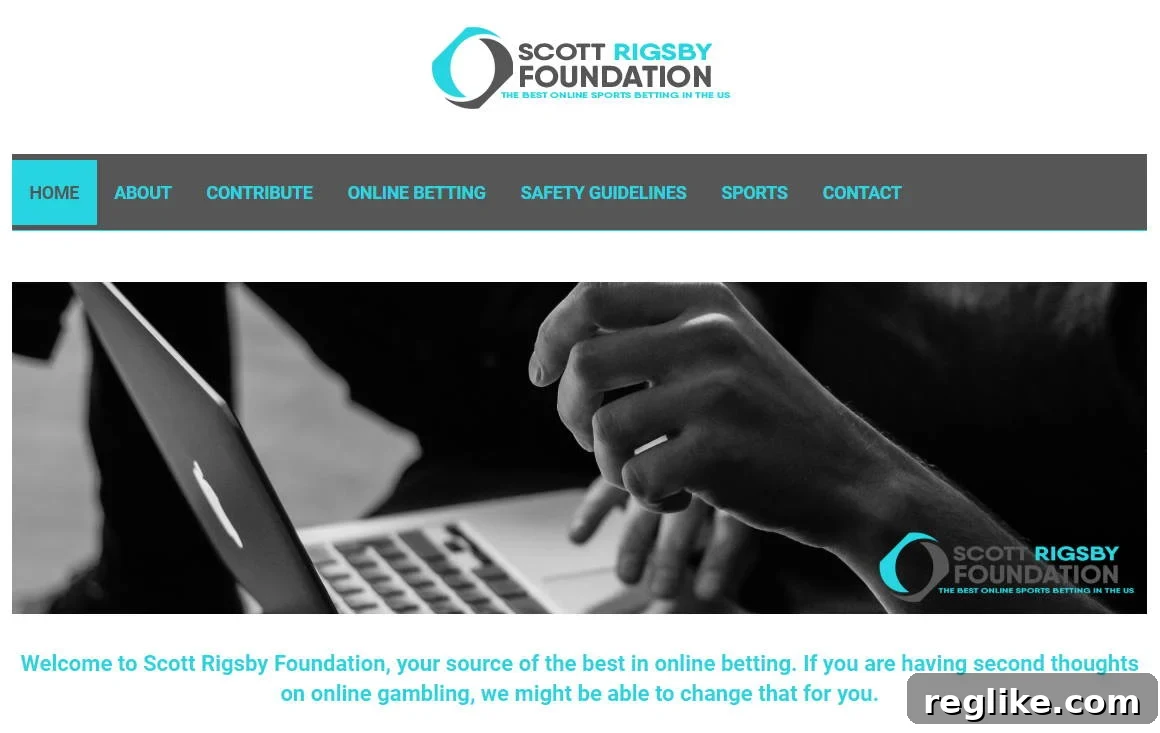
The digital landscape, while offering unparalleled opportunities for connection and commerce, also presents unique vulnerabilities. This was starkly illustrated earlier this year when the domain name ScottRigsbyFoundation.org, once a beacon of inspiration, expired and fell into the hands of an online gambling entity. This unexpected turn of events has ignited a contentious legal battle and sparked widespread discussion about domain ownership, digital ethics, and brand protection in the internet age.
The Inspirational Journey of Scott Rigsby
To truly grasp the gravity of this situation, one must first understand the man behind the name. Scott Rigsby is not just a motivational speaker; he is a testament to the power of the human spirit. As a double amputee, Rigsby defied immense odds to successfully compete in an Ironman Triathlon – a feat that captivated the world and continues to inspire millions. His foundation, operating under the ScottRigsbyFoundation.org domain, was a digital extension of his mission: to share his story, empower others facing adversity, and champion a message of perseverance and hope. For many, his website was a source of comfort, motivation, and a connection to a remarkable individual who had overcome extraordinary challenges.
The sudden transformation of a site dedicated to such profound inspiration into a gateway for online gambling represents a jarring juxtaposition. It underscores the fragility of digital identities and the critical importance of vigilant domain management, particularly for personal brands and charitable organizations whose online presence is intrinsically linked to their public image and mission.
Understanding Domain Expiration: How a Digital Asset Can Be Lost
Domain names, like any other subscription service, have a lifecycle. They are registered for a specific period, typically one to ten years, and must be renewed to remain active. The process of domain expiration involves several stages, often beginning with a series of renewal notices sent by the domain registrar (such as GoDaddy in this case) to the registrant’s registered email address. If these notices are missed or ignored, the domain enters a grace period, followed by a redemption period, during which the original owner can still reclaim it, usually for an additional fee.
However, once these periods elapse, the domain becomes available for public auction or general registration. In this instance, GoDaddy’s expired domain auction platform facilitated the sale of ScottRigsbyFoundation.org. The domain attracted multiple bidders and was ultimately acquired for a sum of $155 in February of this year. While this price might seem modest, the value of an expired domain often extends far beyond its auction price, especially when it carries pre-existing authority and backlinks.
The Allure of Expired Domains: SEO Value and Ethical Dilemmas
The acquisition of expired domains is a common practice in the world of search engine optimization (SEO) and digital marketing. Many buyers are attracted to domains that have a history of backlinks from reputable websites and a strong domain authority, which can significantly boost a new site’s search engine rankings. By repurposing such a domain, new owners can potentially inherit a valuable SEO profile, saving considerable time and resources that would otherwise be spent building authority from scratch.
However, this strategy operates on a spectrum of ethical considerations. On one end, acquiring a generic expired domain to host related content can be a legitimate and effective SEO tactic. On the other end, directly reusing a domain associated with a well-known individual, organization, or brand for an entirely unrelated, and potentially controversial, purpose enters a morally ambiguous territory. The buyer of ScottRigsbyFoundation.org reportedly rebuilt the site to serve as an online gambling information hub, going so far as to create a new logo that still incorporated the “Scott Rigsby Foundation” name. This action crosses a significant ethical line, misleading visitors and directly associating Scott Rigsby’s esteemed personal brand with a commercial venture entirely antithetical to his life’s work.
The repurposing of an inspiring foundation’s domain for online gambling is not merely an SEO maneuver; it’s a profound act of digital brand hijacking. It risks tarnishing Scott Rigsby’s reputation, confusing his followers, and undermining the very message of his foundation. For many, including the original author of the source material, such a move is “downright dirty” and represents a clear breach of internet etiquette and ethical conduct.
Navigating the Legal Minefield: Scott Rigsby’s Lawsuit Against GoDaddy
In response to this egregious situation, Scott Rigsby has initiated legal action. He is suing GoDaddy in Georgia, alleging various contractual breaches and claiming that he did not receive adequate renewal notices for the domain. This approach highlights a common frustration among domain owners who find themselves in similar predicaments: the perceived lack of accountability from registrars when domains expire inadvertently.
However, suing a domain registrar for an expired domain, while a direct and public response, can be a challenging legal path. Registrars typically have robust terms of service and acceptable use policies that outline the registrant’s responsibility for maintaining up-to-date contact information and ensuring timely renewals. The onus generally falls on the domain owner to manage their digital assets diligently. While Rigsby’s claims regarding missed renewal notices are central to his case, proving a registrar’s liability in such scenarios can be complex, as courts often prioritize the written agreement and the registrant’s primary responsibility.
Legal experts often question the efficacy of suing a large entity like GoDaddy in these circumstances, especially if the primary goal is domain recovery. While GoDaddy undeniably possesses significant financial resources, the legal precedent and the terms of service can make such a lawsuit an uphill battle. It raises questions about whether this approach will ultimately lead to the desired outcome of reclaiming the domain name or simply result in prolonged litigation.
Strategic Alternatives for Domain Recovery: UDRP and ACPA
When faced with unauthorized domain use or cybersquatting, there are often more direct and targeted legal avenues for domain recovery than suing a registrar. For Scott Rigsby, two primary options stand out, provided he can establish the necessary legal grounds:
1. The Uniform Domain-Name Dispute-Resolution Policy (UDRP)
The UDRP is an administrative procedure established by the Internet Corporation for Assigned Names and Numbers (ICANN) specifically for resolving domain name disputes without resorting to traditional court litigation. To succeed in a UDRP complaint, the complainant must demonstrate three key elements:
- Identical or Confusingly Similar: The domain name in question (ScottRigsbyFoundation.org) must be identical or confusingly similar to a trademark or service mark in which the complainant (Scott Rigsby) has rights. Given the prominent use of “Scott Rigsby Foundation,” establishing common law trademark rights through use should be relatively straightforward.
- No Rights or Legitimate Interests: The current registrant must have no rights or legitimate interests in respect of the domain name. An online gambling site repurposing a personal foundation’s name would likely struggle to prove legitimate interest.
- Registered and Used in Bad Faith: The domain name must have been registered and is being used in bad faith. The intentional use of Rigsby’s name and the foundation’s implied identity for a commercial gambling site, especially given Rigsby’s public persona, strongly suggests bad faith.
The UDRP process is generally faster and less expensive than traditional lawsuits, making it a highly effective tool for trademark holders seeking to reclaim domain names used by cybersquatters.
2. The Anticybersquatting Consumer Protection Act (ACPA) – In Rem Case
Another powerful tool in the fight against domain abuse is the Anticybersquatting Consumer Protection Act (ACPA) in the United States. While an ACPA case can be brought against the domain registrant directly (*in personam*), an *in rem* ACPA case allows the trademark owner to sue the domain name itself as property, particularly useful when the registrant’s identity or location is unknown or difficult to ascertain. This type of action requires the domain name to be deposited with the court (often in Virginia, a common jurisdiction for such cases if the registrar is based there or the domain is handled there).
For an *in rem* ACPA case, Rigsby would need to demonstrate that the registrant used false registration information (as implied in the original article) and that the domain name was registered with a bad-faith intent to profit from his trademark. The ACPA provides for significant statutory damages, offering a strong deterrent against cybersquatting. Given Scott Rigsby’s strong common law trademark rights in “Scott Rigsby Foundation” and the clear bad faith evident in the repurposing of the site, an *in rem* ACPA case could be a potent strategy for domain recovery.
Consulting with an experienced domain attorney who specializes in these types of disputes would be crucial for Scott Rigsby to assess the strongest legal strategy and pursue the most effective path toward reclaiming his foundation’s digital identity.
Lessons for All Domain Owners: Protecting Your Digital Legacy
The unfortunate saga of ScottRigsbyFoundation.org serves as a powerful cautionary tale for all domain owners, from large corporations to individual bloggers and non-profit organizations. In an increasingly digital world, a domain name is more than just an address; it is a critical asset, a brand identifier, and often the cornerstone of an entity’s online presence and reputation. The potential for an expired domain to be co-opted for nefarious or misleading purposes is a tangible threat that demands proactive vigilance.
To safeguard against similar incidents, domain owners should adopt several best practices:
- Enable Auto-Renewal: This is arguably the simplest yet most effective preventative measure. Most registrars offer an auto-renewal option, ensuring domains are automatically renewed well before their expiration date.
- Maintain Accurate Contact Information: Ensure that the email address associated with your domain registration is current, regularly monitored, and not prone to being overlooked (e.g., a primary business email rather than an obscure secondary account).
- Monitor Expiration Dates: Despite auto-renewal, it’s wise to maintain a separate record of all domain expiration dates and set personal reminders.
- Secure Multiple Domain Variations: For significant brands or personal names, consider registering closely related domain names (e.g., .com, .net, .org, or common misspellings) to prevent others from acquiring them and potentially confusing your audience or diluting your brand.
- Understand Registrar Policies: Familiarize yourself with your domain registrar’s terms of service, particularly regarding renewal notices, grace periods, and auction processes.
- Implement Domain Locks: Most registrars offer a “registrar lock” feature that prevents unauthorized transfers of your domain, adding an extra layer of security.
The Scott Rigsby Foundation incident is a stark reminder that while the internet offers incredible reach, it also demands constant vigilance. Protecting one’s digital assets is an ongoing commitment, essential for preserving brand integrity, maintaining trust, and ensuring that an inspiring legacy is not hijacked for unintended and unethical purposes.
The battle for ScottRigsbyFoundation.org is more than just a fight over a domain name; it’s a critical case study in the evolving landscape of digital rights, brand protection, and the ethical responsibilities that accompany ownership in the online realm. Its resolution will undoubtedly offer valuable precedents and lessons for domain owners and digital citizens worldwide.